Discover the 10 best trees for backyard, including red maple and Leyland cypress. Tips on privacy, shade, and low-maintenance options from a 10-year gardener.
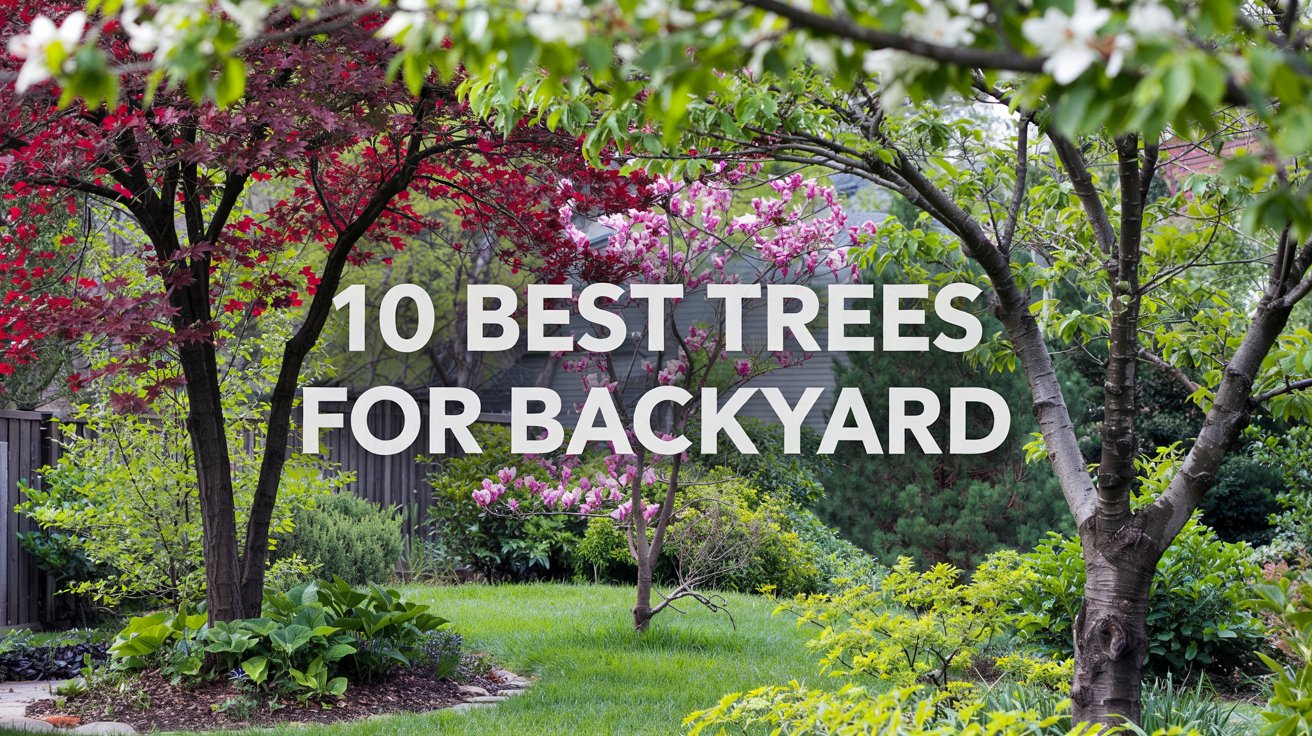
Here are my top picks, drawn from reliable sources and my trials. Each suits different needs, with zones and tips.
10 Best Trees for Backyard
1. Red Maple (Acer rubrum)
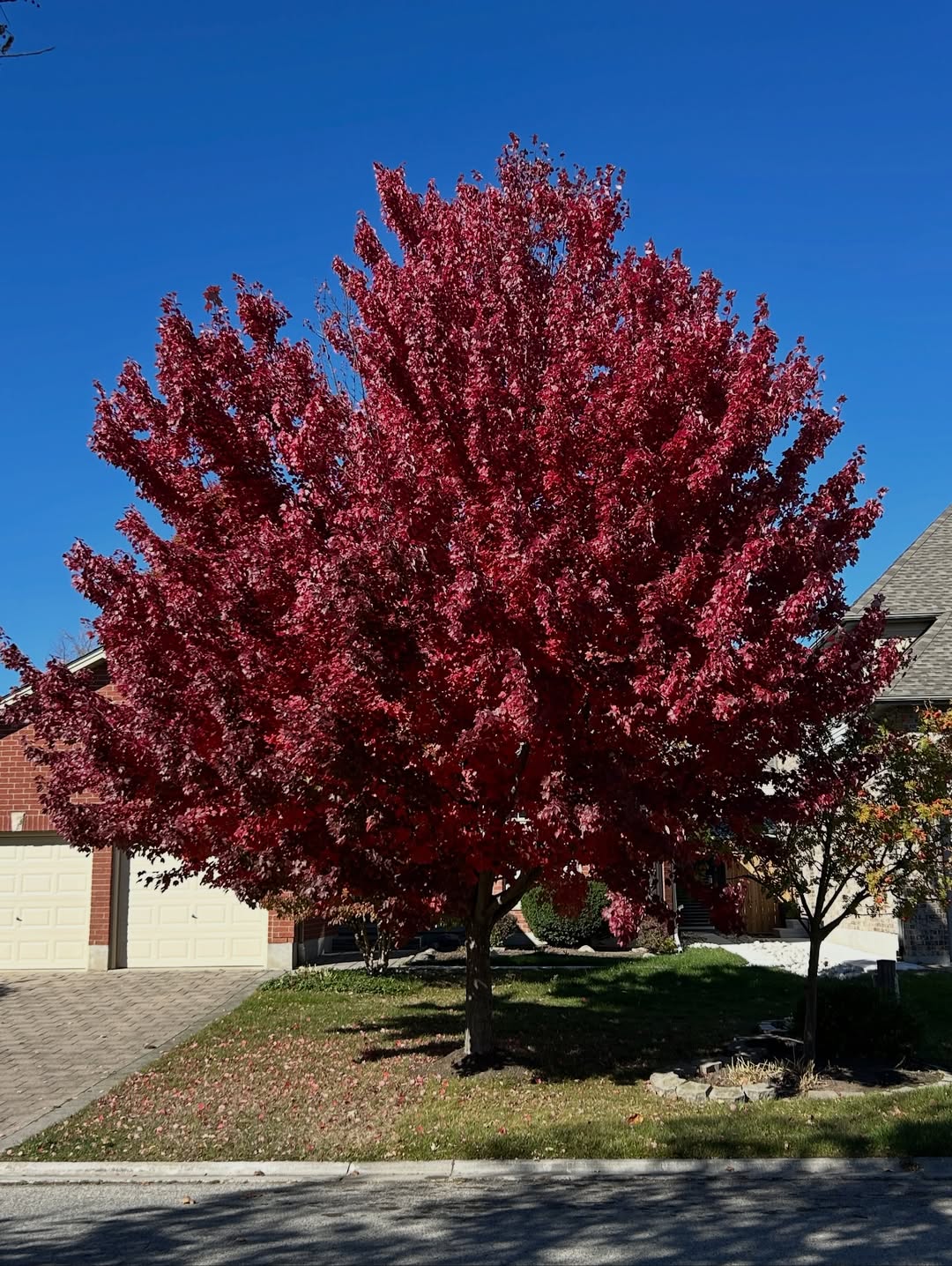
Red maples top lists for vibrant fall reds and oranges. They grow 40-60 feet, providing ample shade. Hardy in zones 3-9, they adapt to wet or dry soils.
I planted one five years ago; it shades my patio now. Fast growth: 1-2 feet yearly. Attracts birds.
Pros: Drought-tolerant once established. Cons: Surface roots can lift sidewalks.
2. Eastern Redbud (Cercis canadensis)
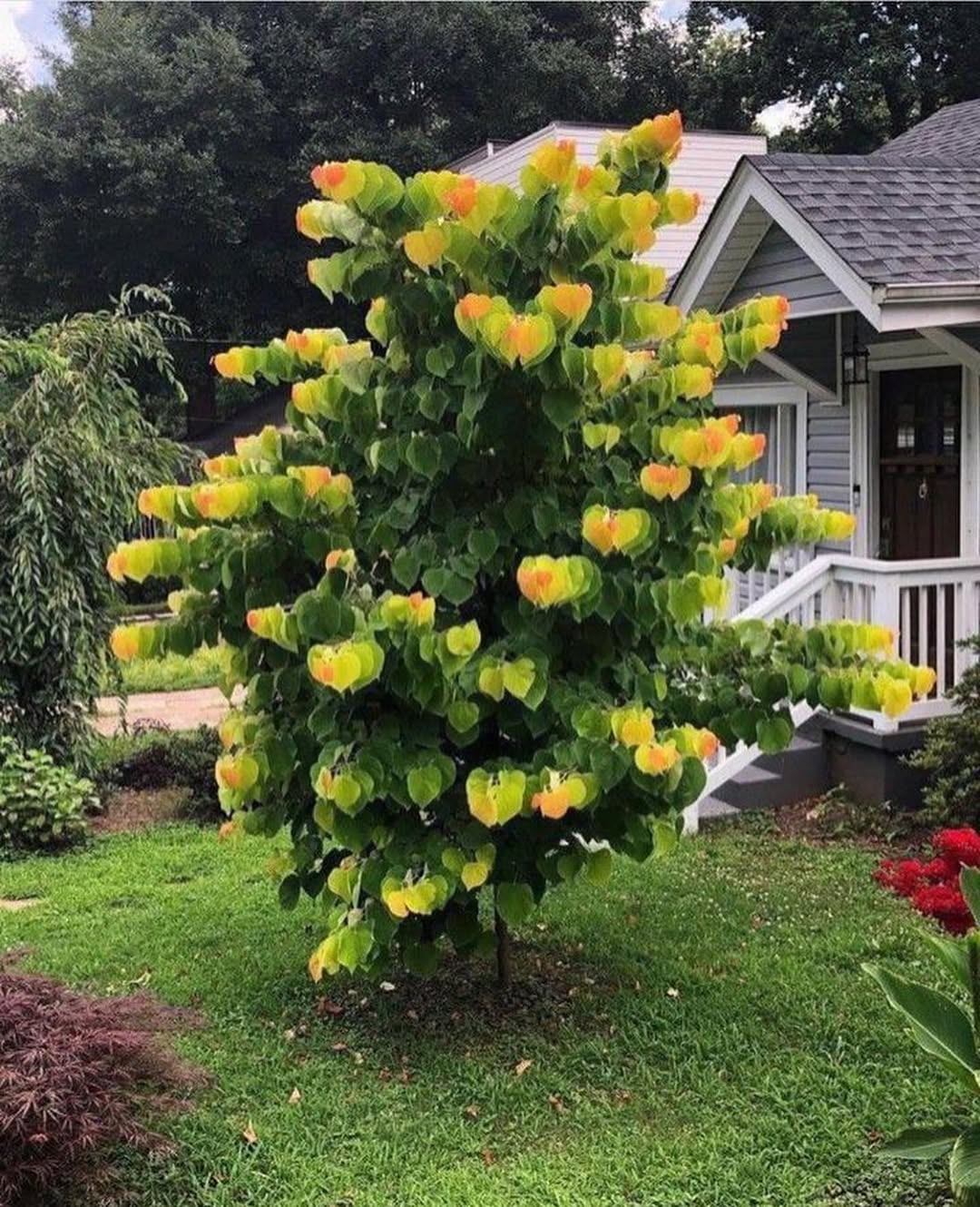
For small backyards, redbuds fit at 20-30 feet. Pink spring blooms cover branches before leaves. Zones 4-9.
My neighbor’s redbud blooms draw butterflies. Low maintenance; tolerates shade.
Pros: Heart-shaped leaves. Cons: Short-lived, 20-30 years.
3. Flowering Dogwood (Cornus florida)
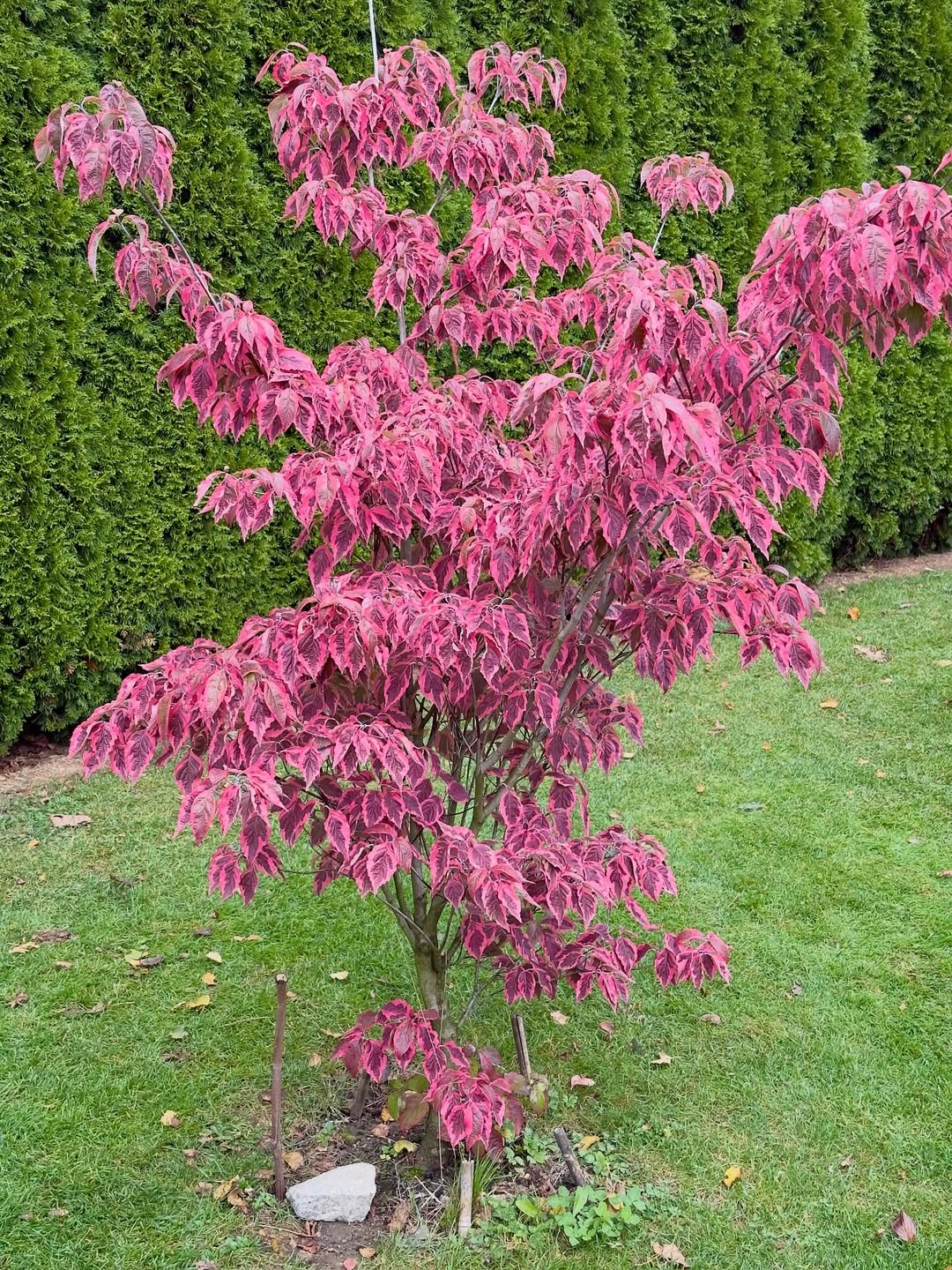
Dogwoods bring white or pink bracts in spring, red berries in fall. 20-40 feet, zones 5-9.
I added one near my deck for year-round interest. Prefers partial shade.
Pros: Wildlife food. Cons: Susceptible to diseases in humid areas.
4. Bur Oak (Quercus macrocarpa)
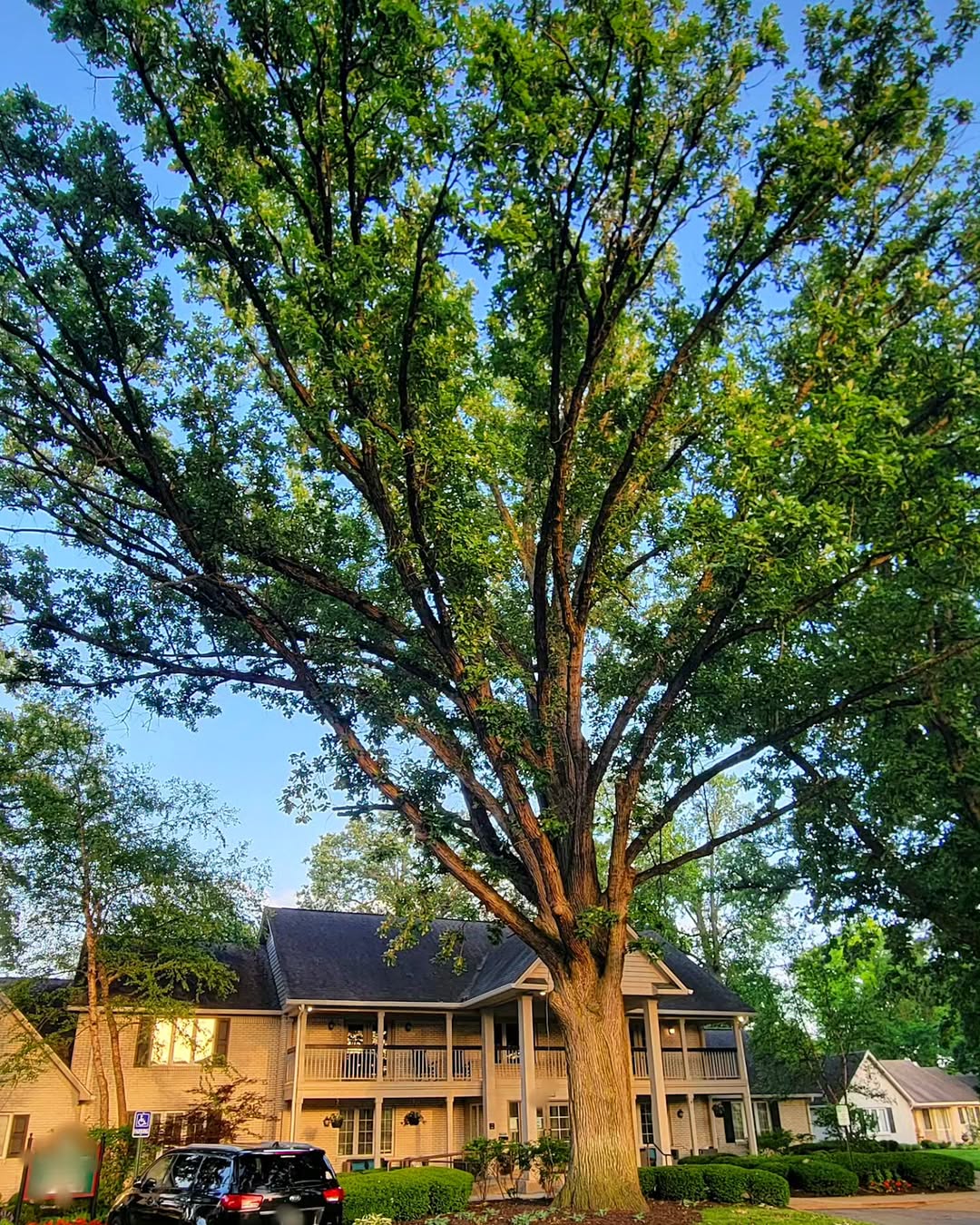
Bur oaks are tough, growing 70-80 feet with acorns for squirrels. Zones 3-8, low maintenance.
Planted in my open yard, it handles wind and drought.
Pros: Long-lived, over 200 years. Cons: Slow starter.
5. Weeping Willow (Salix babylonica)
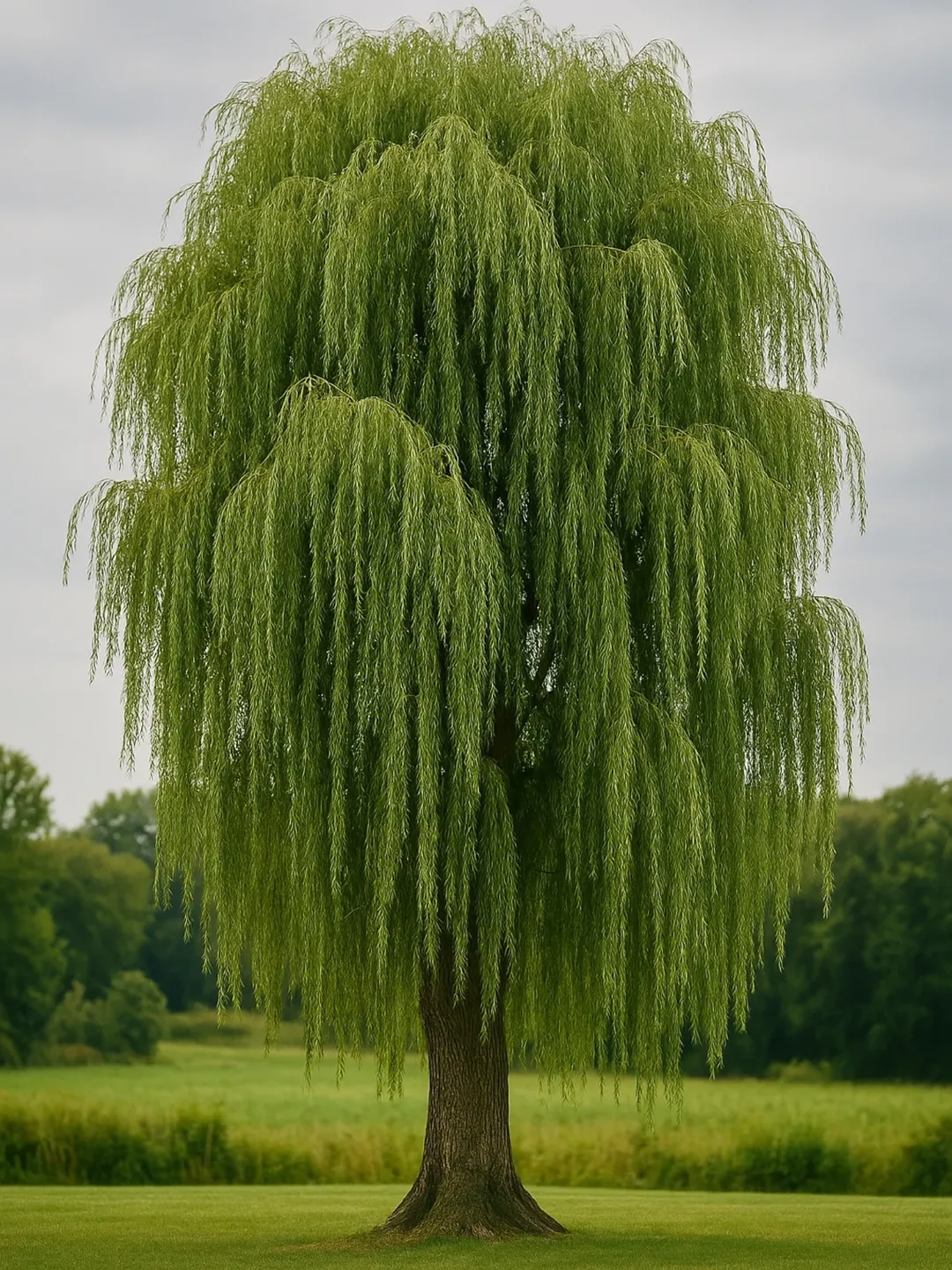
For dramatic effect, willows drape branches to 40 feet. Zones 6-8, loves moist soil.
Mine by the pond creates a serene spot. Fast growth.
Pros: Shade near water. Cons: Invasive roots seek pipes.
6. Tulip Poplar (Liriodendron tulipifera)
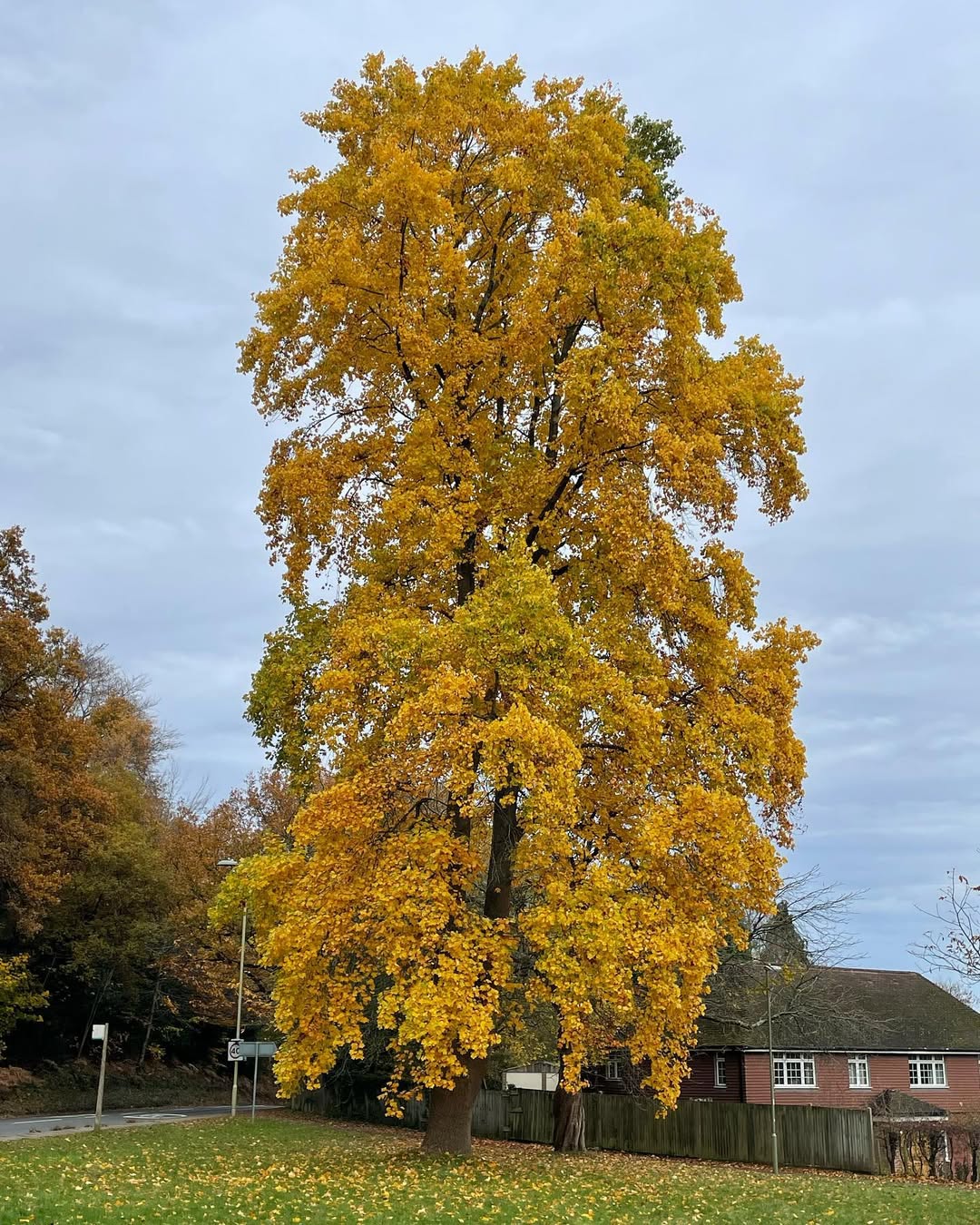
Tulip poplars reach 70-90 feet with yellow-green flowers. Zones 4-9, straight trunks.
Great for large backyards; mine towers for privacy.
Pros: Fast shade. Cons: Drops sap.
7. Crape Myrtle (Lagerstroemia indica)
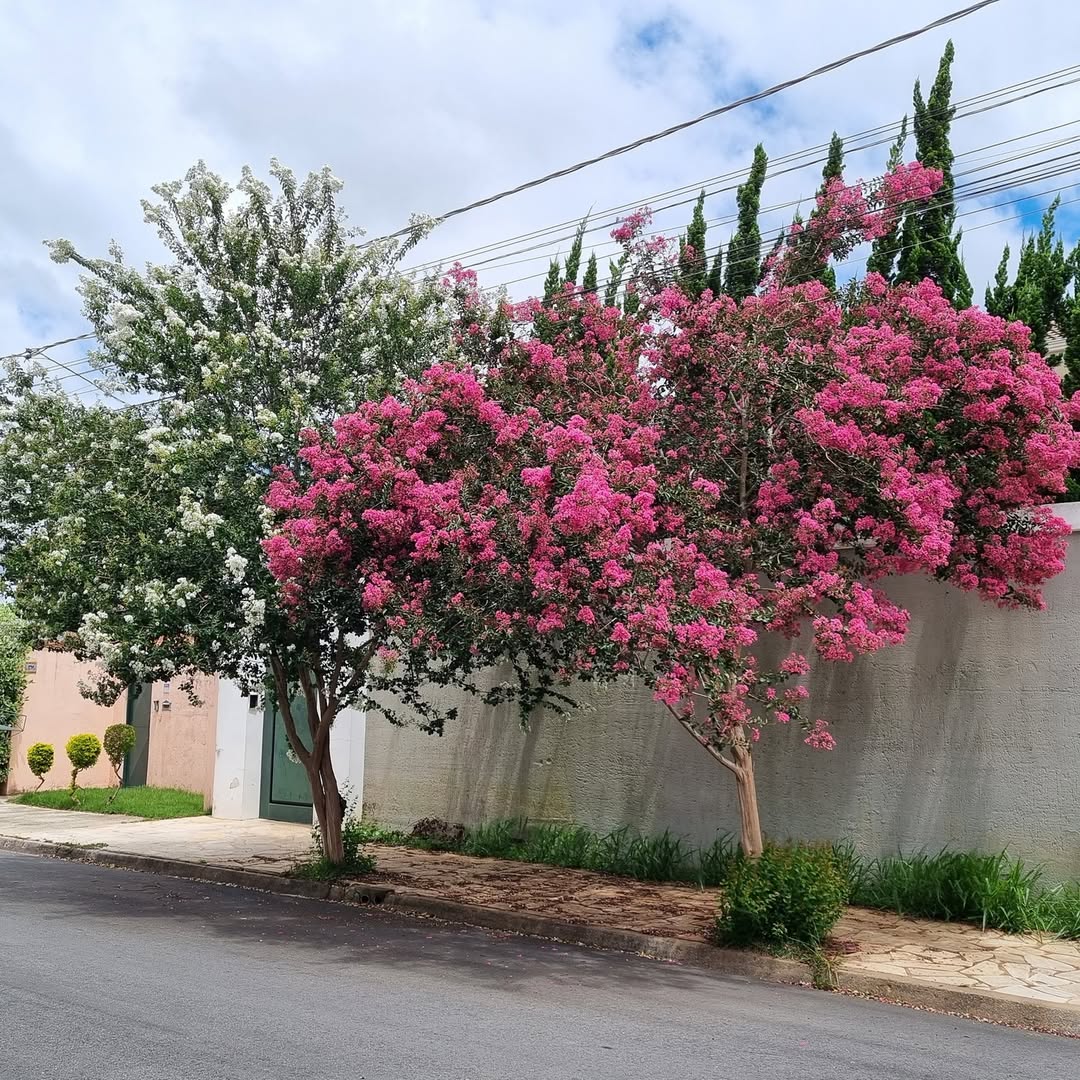
Crape myrtles bloom summer-long in pinks or whites. 15-25 feet, zones 6-9.
Perfect for southern yards; I prune mine for shape.
Pros: Heat-tolerant. Cons: Needs full sun.
8. Japanese Maple (Acer palmatum)
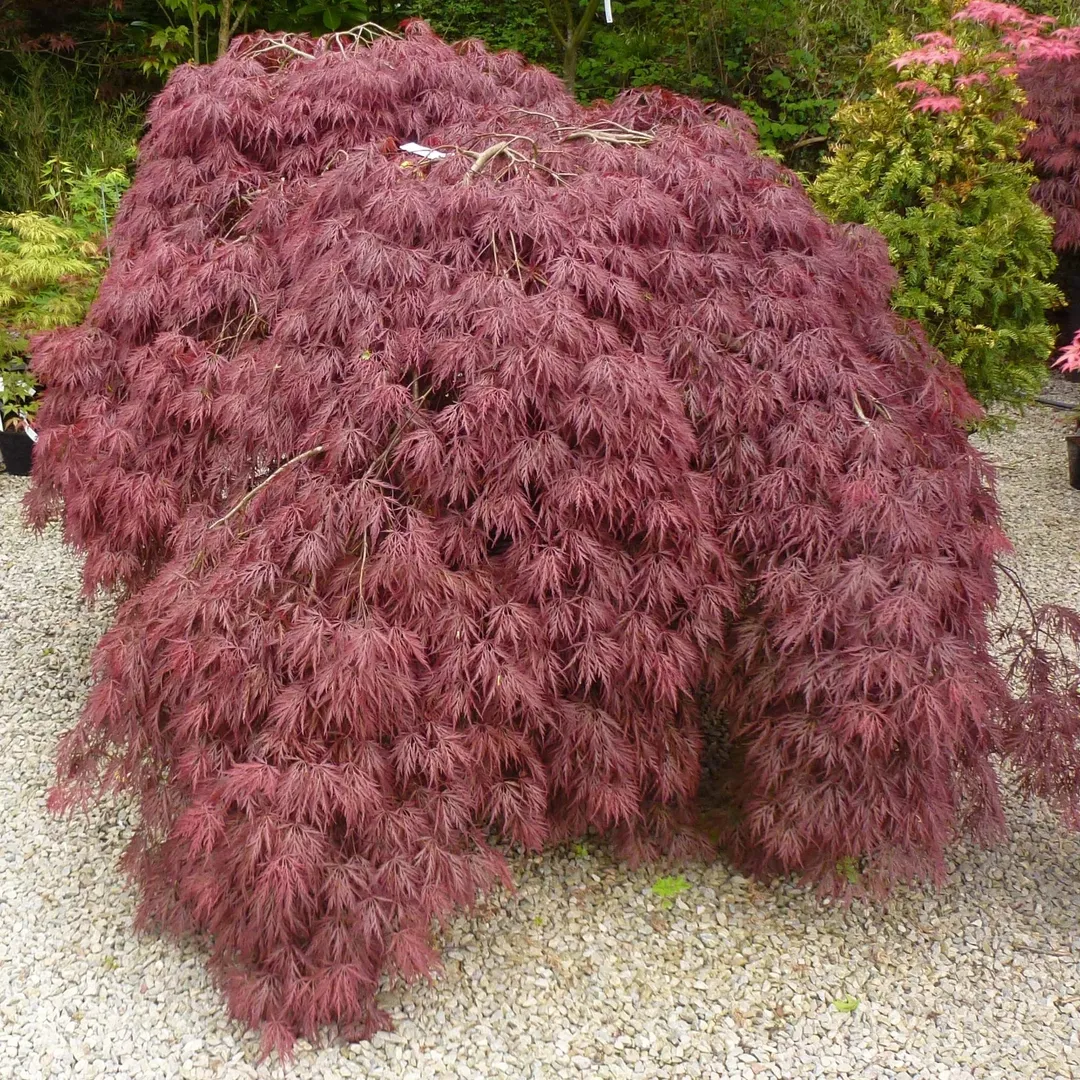
Japanese maples offer red foliage at 15-25 feet. Zones 5-8, ideal for small spaces.
My potted one adds zen to the patio.
Pros: Ornamental. Cons: Protect from wind.
9. River Birch (Betula nigra)
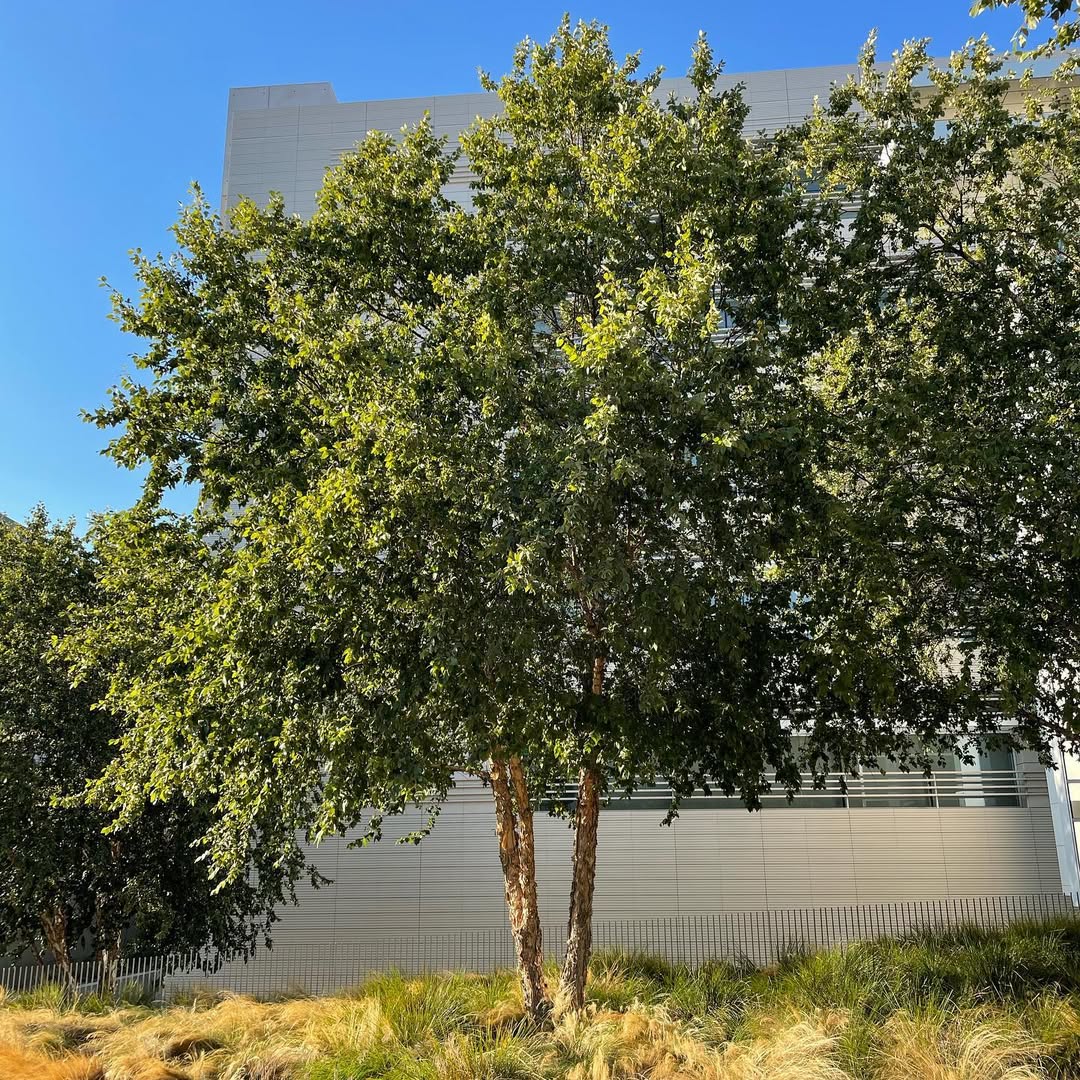
River birches have peeling bark, growing 40-70 feet. Zones 4-9, wet-tolerant.
Clusters provide screening; mine hides the compost.
Pros: Multi-trunk beauty. Cons: Messy catkins.
10. Leyland Cypress (Cupressocyparis leylandii)
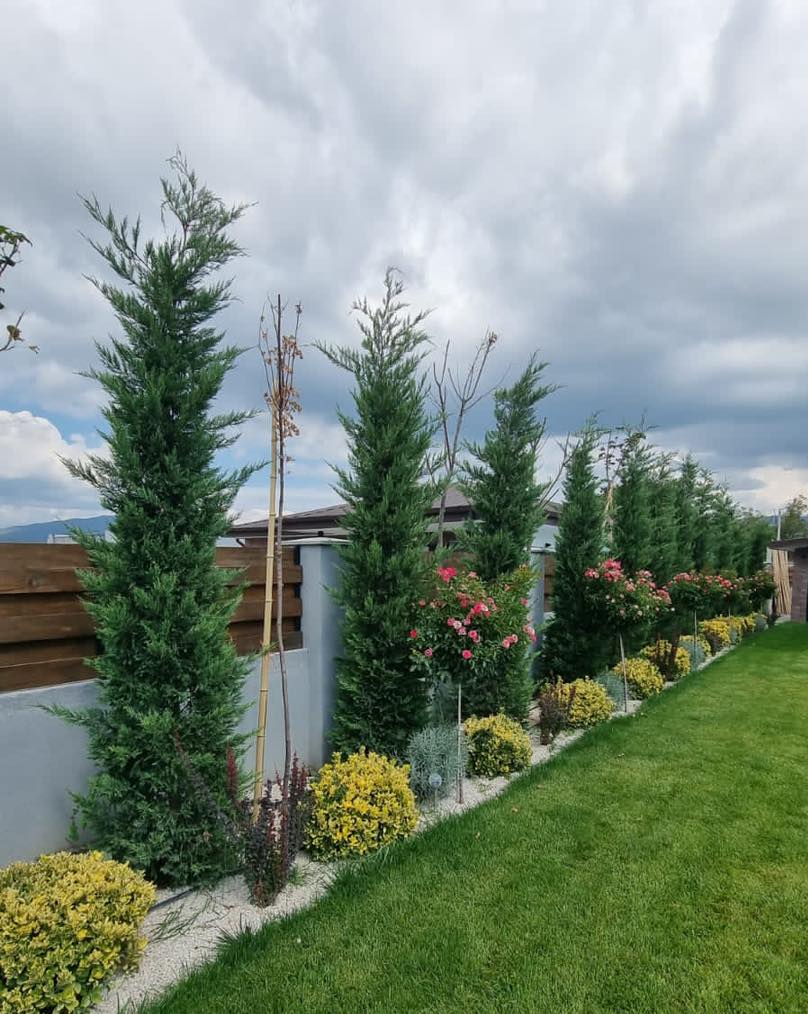
For privacy, Leylands grow fast to 60 feet. Zones 6-10, evergreen screen.
I lined my fence with them for quick seclusion.
Pros: Year-round green. Cons: Needs pruning.
Best Backyard Trees for Privacy
For screening, try Leyland cypress or arborvitae. Plant in rows 6-8 feet apart. Eastern redcedar works too, growing 30-40 feet. In my yard, they block noise.
Best Backyard Trees for Shade
Red maple and tulip poplar cast wide canopies. Plant away from houses to avoid root issues. Bur oak provides dense shade.
Best Trees for Small Backyard
Eastern redbud, dogwood, and Japanese maple stay compact. Crape myrtle fits patios. I use them in tight spots.
Low Maintenance Backyard Trees
Bur oak and river birch need little care. Natives like these resist pests. Mulch around bases.
How to Plant Trees in Your Backyard
Dig twice the root ball width. Water deeply first year. I stake young trees against wind.
Steps:
- Choose spot.
- Dig hole.
- Place tree.
- Backfill and mulch.
- Water weekly.
See our tree planting guide for details.
Maintenance Tips for Backyard Trees
Prune in winter. Fertilize spring. Watch for pests; I use organic sprays.
Water new trees 10 gallons weekly. Mulch conserves moisture. For issues, check our pest control guide.
University extensions offer free advice.
Precautions When Planting Backyard Trees
Call 811 for utilities. Avoid power lines. Check allergies—willows produce pollen.
Invasive species? Skip in some areas. My rule: Research local regs.
Keeping Your Backyard Trees Healthy Year-Round
Fertilize annually. Protect from deer with wraps. Rotate varieties for diversity.
Explore our shade garden ideas or privacy landscaping tips.
You’ve got options for the 10 best trees for backyard. From my red maple to privacy cypresses, pick what fits. My yard’s better for them. Questions? Comment. Happy planting!
For more on best shade plants or organic gardening basics, visit USA Garden Hub.