
Ashley Scott shares 20 trees starting with E—Eastern Cottonwood, Eastern Redbud, Eucalyptus, more—for shade and structure. Easy US tips!

Hey garden friends! I’m Ashley Scott, and after ten years of growing plants in my California backyard, I’m excited to share 20 trees that start with E to bring height, shade, and wildlife to your garden beds. From the fast-growing Eastern Cottonwood to the fragrant Eucalyptus, these trees offer diverse forms, growth habits, and benefits for US gardeners in zones 3-10. I’ve had my share of successes (and a few root-flopping mistakes!), so I’m packing this guide with practical tips, personal stories, and specific advice to help you grow these sturdy specimens. Let’s make your yard thrive!
Why Grow Trees That Start with E?
These trees provide shade, wildlife habitat, and seasonal interest in your garden beds. They suit various landscapes—urban lots, woodlands, or coastal yards—and thrive in well-drained soil with compost. My Eastern Red Cedar screens a fence perfectly, providing year-round green. Whether you’re in a dry Southwest plot or a humid Southeast one, these trees offer windbreaks, erosion control, or fruit for birds. For general tree tips, check our tree planting guide on USA Garden Hub.
1. Eastern Cottonwood (Populus deltoides)
 gobotany.nativeplanttrust.org
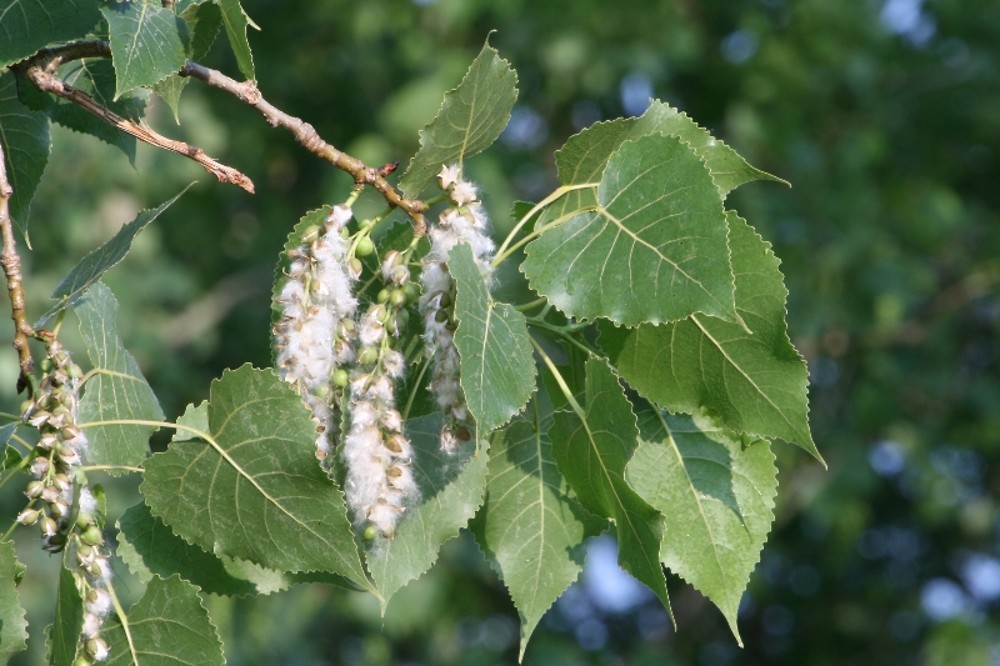
Eastern Cottonwood grows fast, reaching 50-80 feet with heart-shaped leaves. My sapling hit 20 feet in 5 years.
- Grow It: Plant in spring, 50 feet apart, in full sun with moist soil (pH 6.0-7.5).
- Care: Water 1-2 inches weekly; prune lower branches.
- Tip: Use for windbreaks or stream banks.
- Zones: 2-9.
Resource: The Old Farmer’s Almanac on cottonwoods.
2. Eastern Redbud (Cercis canadensis)
 stanford.edu
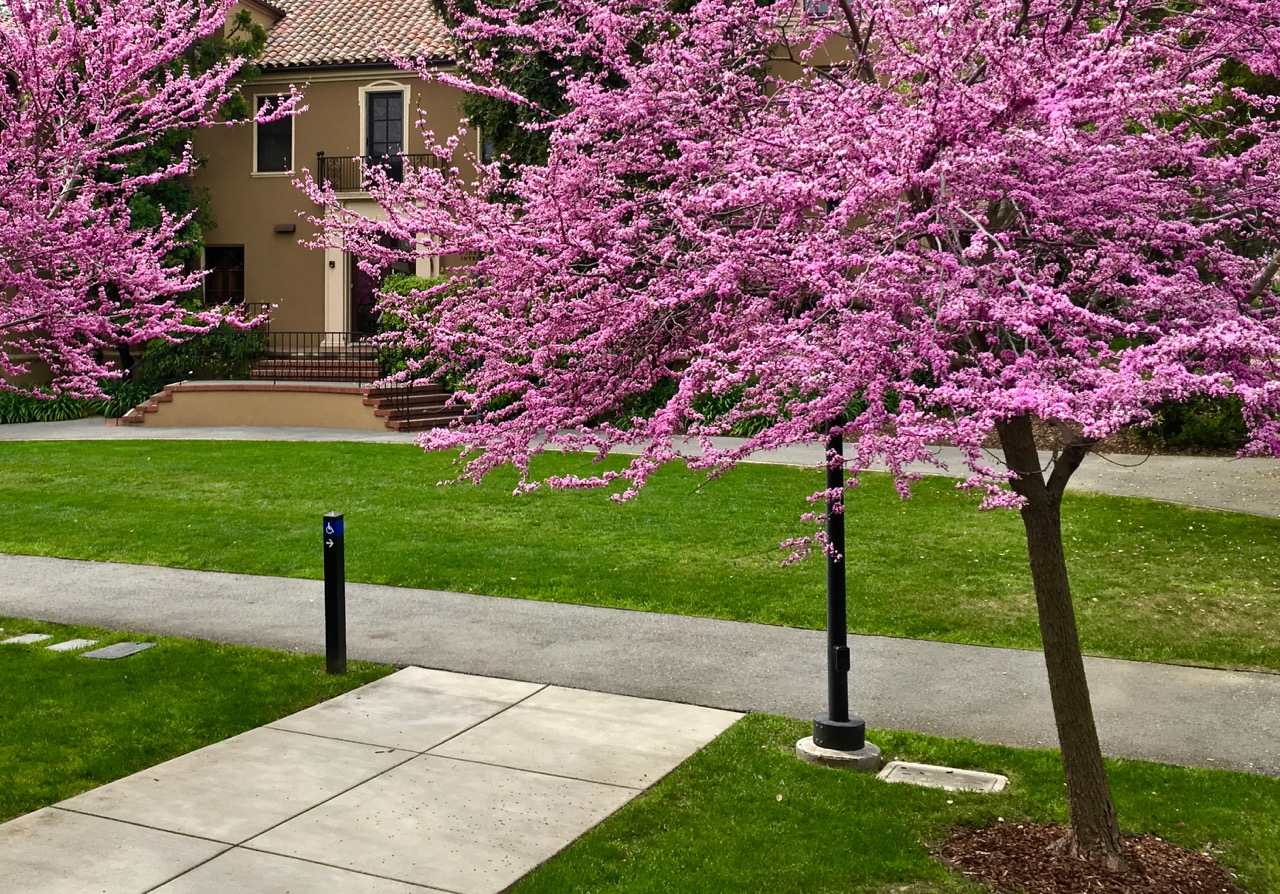
Eastern Redbud blooms pink in early spring, growing 20-30 feet. My tree’s flowers drew bees for weeks.
- Grow It: Plant in fall, 15 feet apart, in full sun or partial shade with average soil.
- Care: Water 1 inch weekly; prune after flowering.
- Tip: Plant as an understory tree.
- Zones: 4-9.
Resource: Cornell University on redbuds.
3. Eastern Red Cedar (Juniperus virginiana)
 mtcubacenter.org
Eastern Red Cedar is evergreen, reaching 40-50 feet with blue berries. My specimen screens noise well.
- Grow It: Plant in spring, 10 feet apart, in full sun with well-drained soil.
- Care: Water 1 inch weekly first year; prune for shape.
- Tip: Use for hedges or wildlife cover.
- Zones: 2-9.
4. Elm (Ulmus americana)
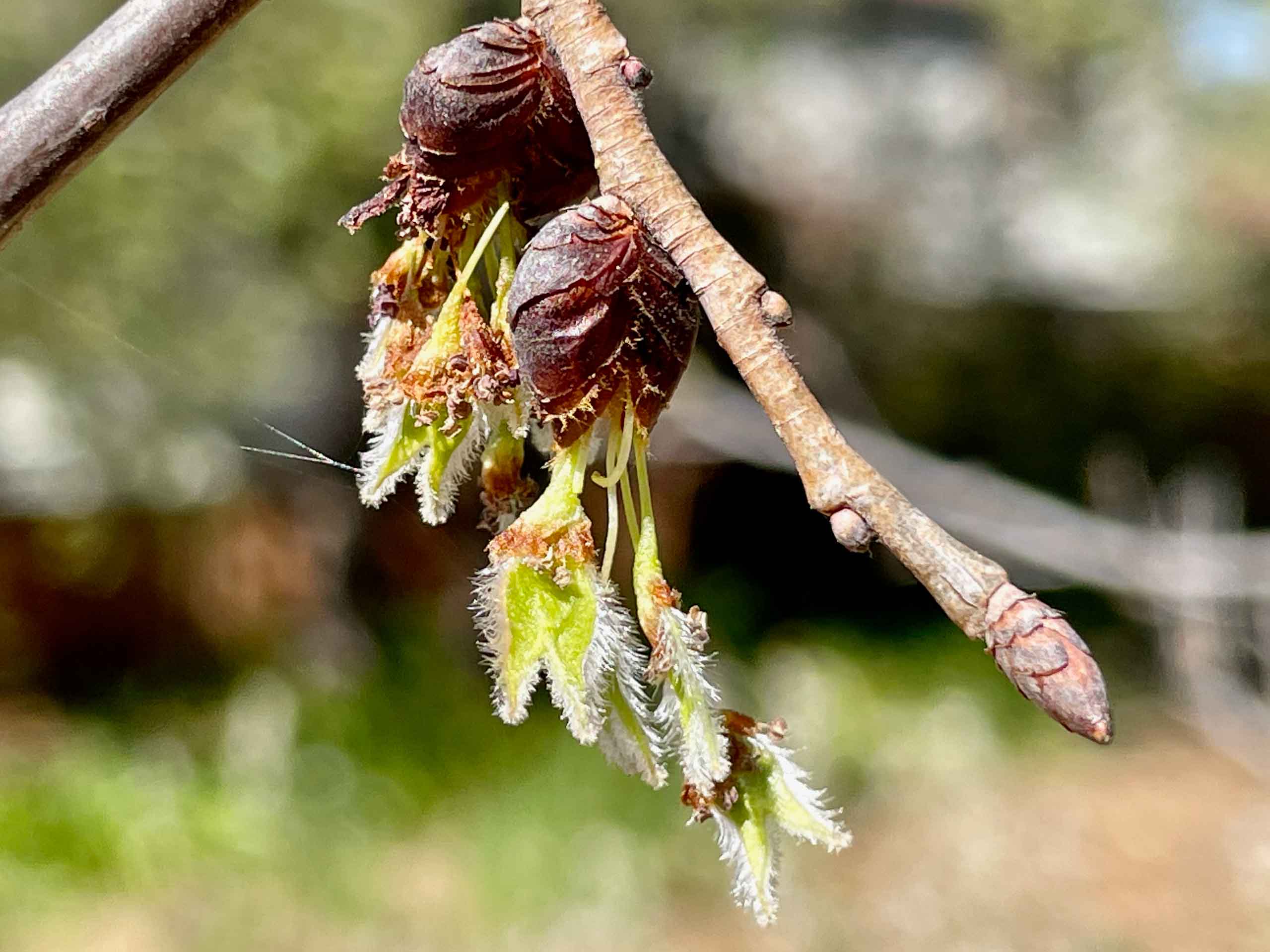
Elm grows 60-80 feet with arching branches. My American elm shaded a patio before Dutch elm disease hit.
- Grow It: Plant in spring, 40 feet apart, in full sun with fertile soil.
- Care: Water 1 inch weekly; monitor for disease.
- Tip: Choose resistant varieties like ‘Valley Forge’.
- Zones: 3-9.
5. Eucalyptus (Eucalyptus globulus)
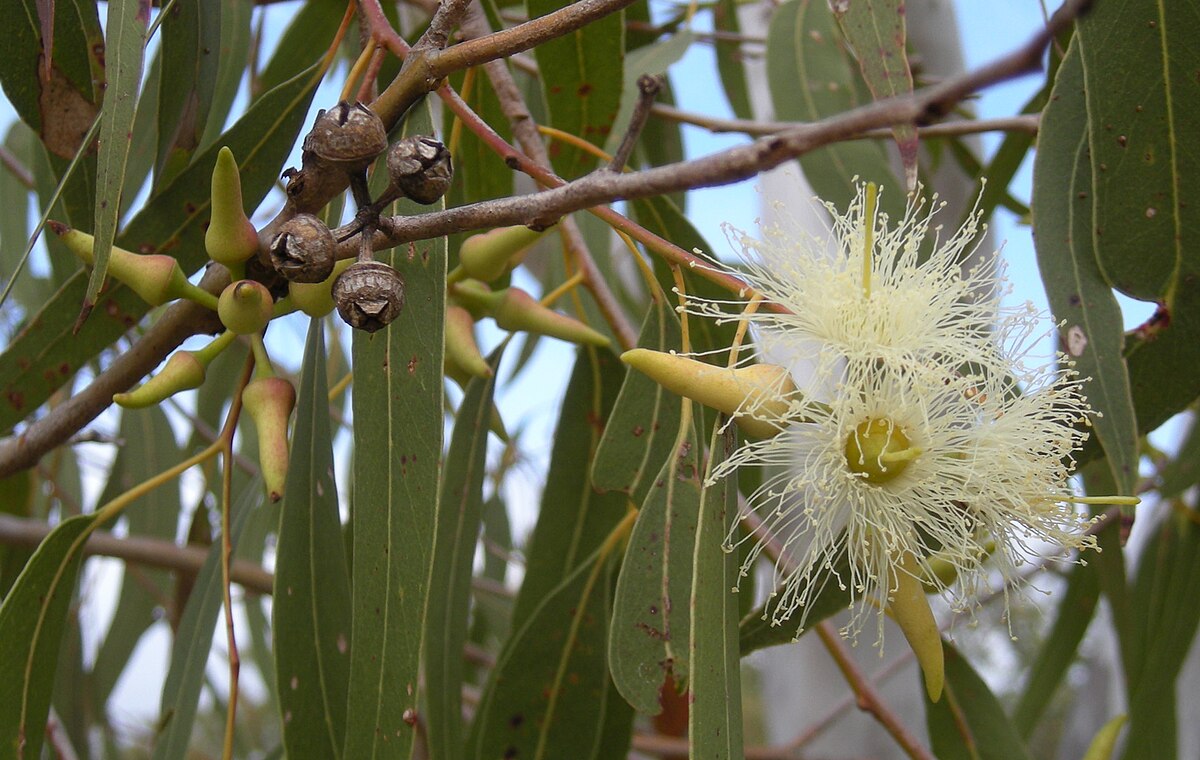
Eucalyptus grows 100-200 feet with menthol-scented leaves. My blue gum adds fragrance.
- Grow It: Plant in spring, 20 feet apart, in full sun with well-drained soil.
- Care: Water 1 inch weekly; prune lower limbs.
- Tip: Use for fast shade in warm areas.
- Zones: 8-11.
6. Elderberry (Sambucus canadensis)
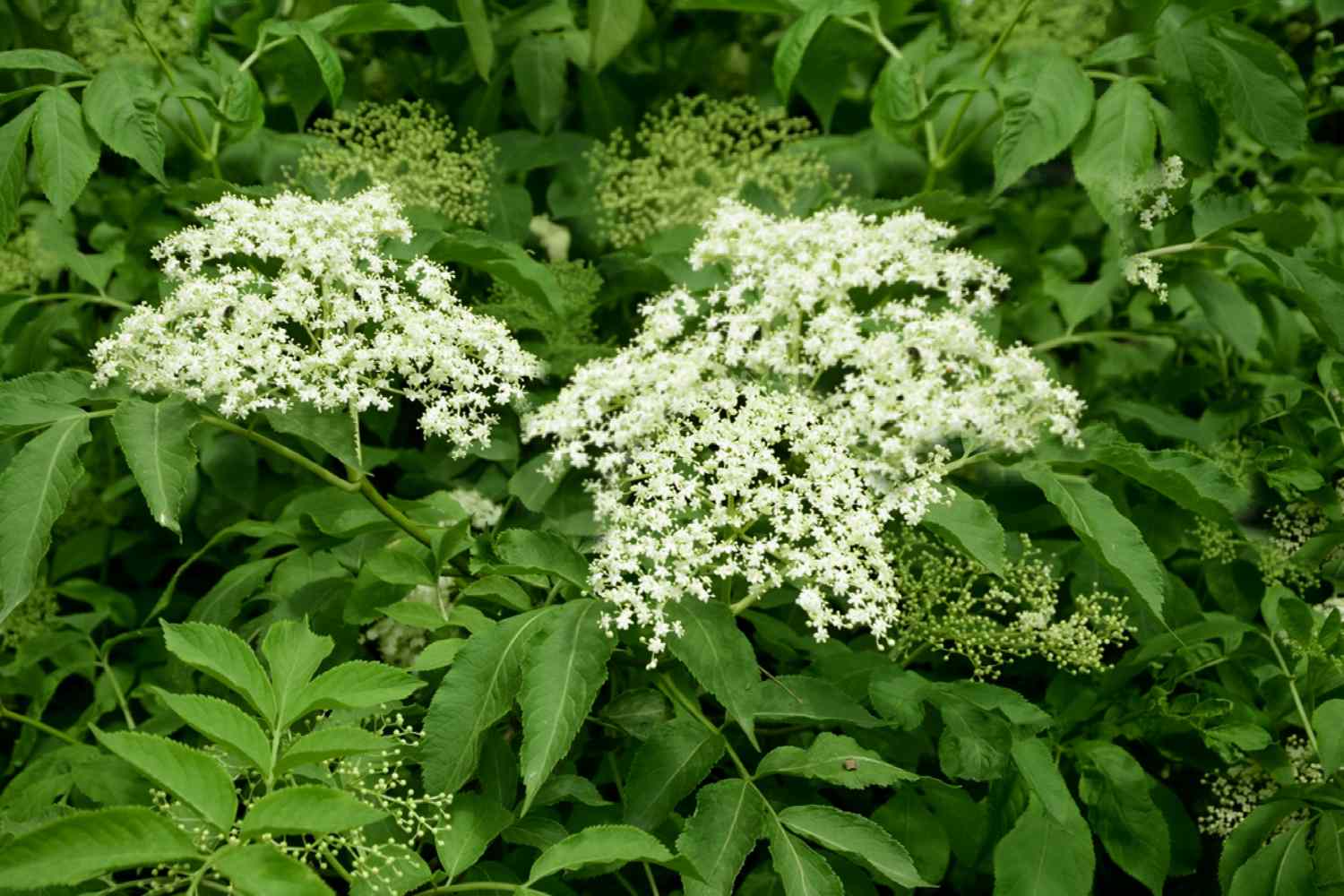
Elderberry grows 5-12 feet with edible berries. My bush yielded 10 pounds of fruit.
- Grow It: Plant in spring, 6 feet apart, in full sun or partial shade with moist soil.
- Care: Water 1 inch weekly; prune dead canes.
- Tip: Use for jams or wildlife.
- Zones: 3-9.
Resource: University of Minnesota on elderberries.
7. Emory Oak (Quercus emoryi)
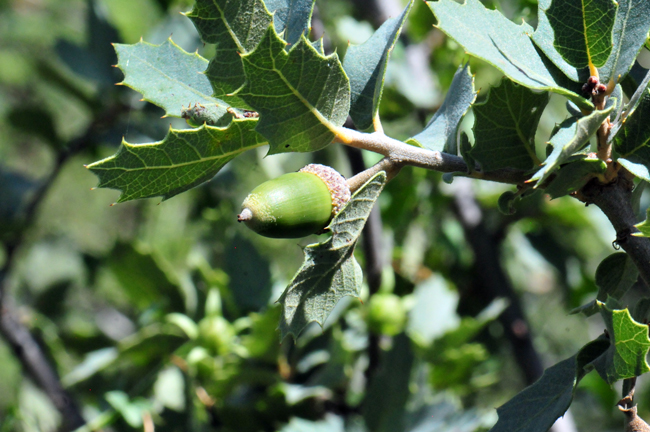
Emory Oak reaches 40-60 feet with acorns for wildlife. My specimen handles drought.
- Grow It: Plant acorns in fall, 20 feet apart, in full sun with rocky soil.
- Care: Water 0.5 inch weekly first year.
- Tip: Use in arid landscapes.
- Zones: 7-10.
8. Engelmann Spruce (Picea engelmannii)
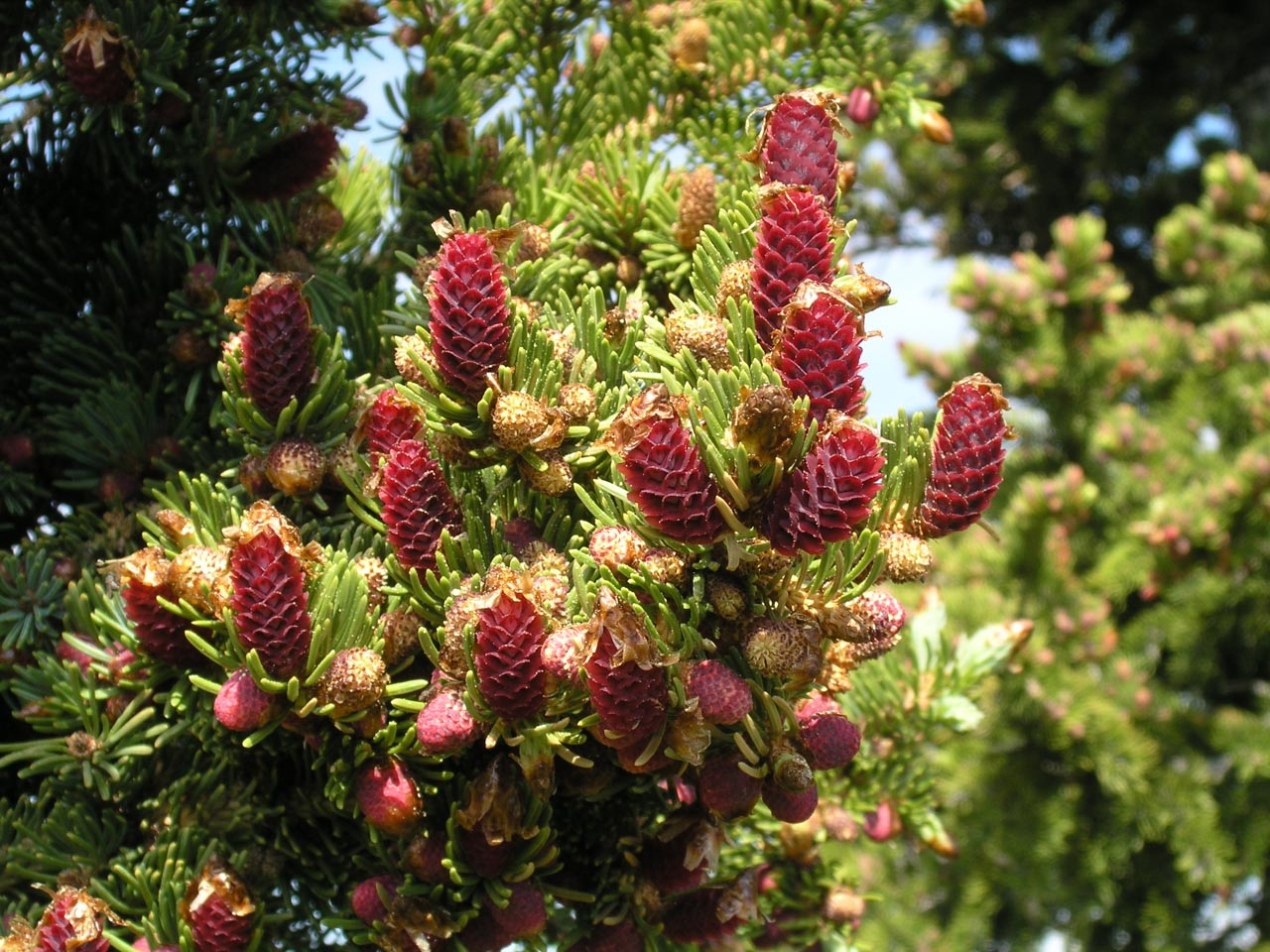
Engelmann Spruce grows 80-100 feet with blue-green needles. My young tree provides wind protection.
- Grow It: Plant in spring, 20 feet apart, in full sun with acidic soil (pH 5.5-6.5).
- Care: Water 1 inch weekly; mulch roots.
- Tip: Ideal for Christmas trees.
- Zones: 3-7.
9. Escarpment Live Oak (Quercus fusiformis)
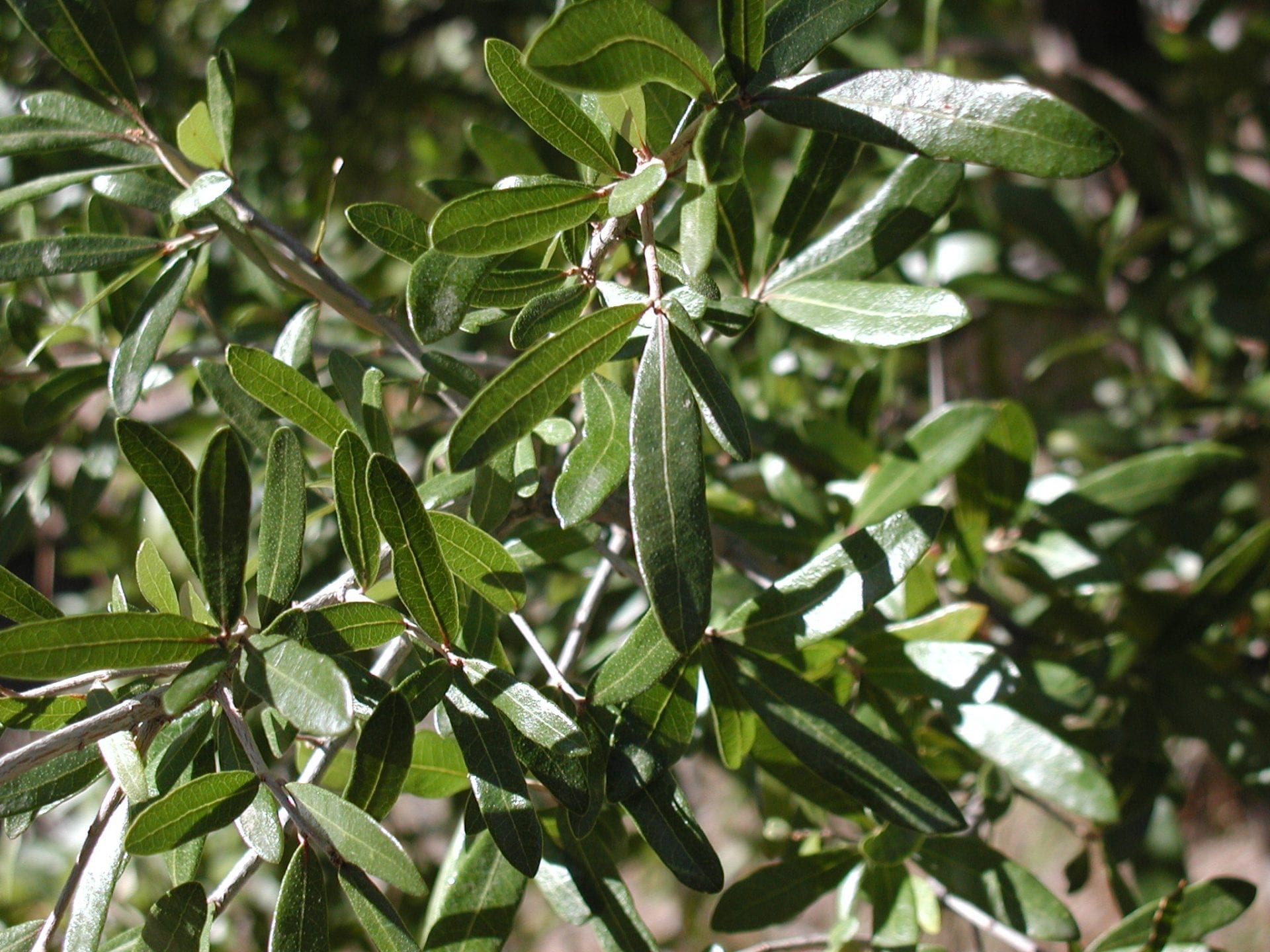
Escarpment Live Oak grows 30-50 feet evergreen. My tree withstands dry spells.
- Grow It: Plant in fall, 20 feet apart, in full sun with limestone soil.
- Care: Water 1 inch weekly first year.
- Tip: Use for erosion control.
- Zones: 7-9.
10. Ebony (Diospyros ebenum)
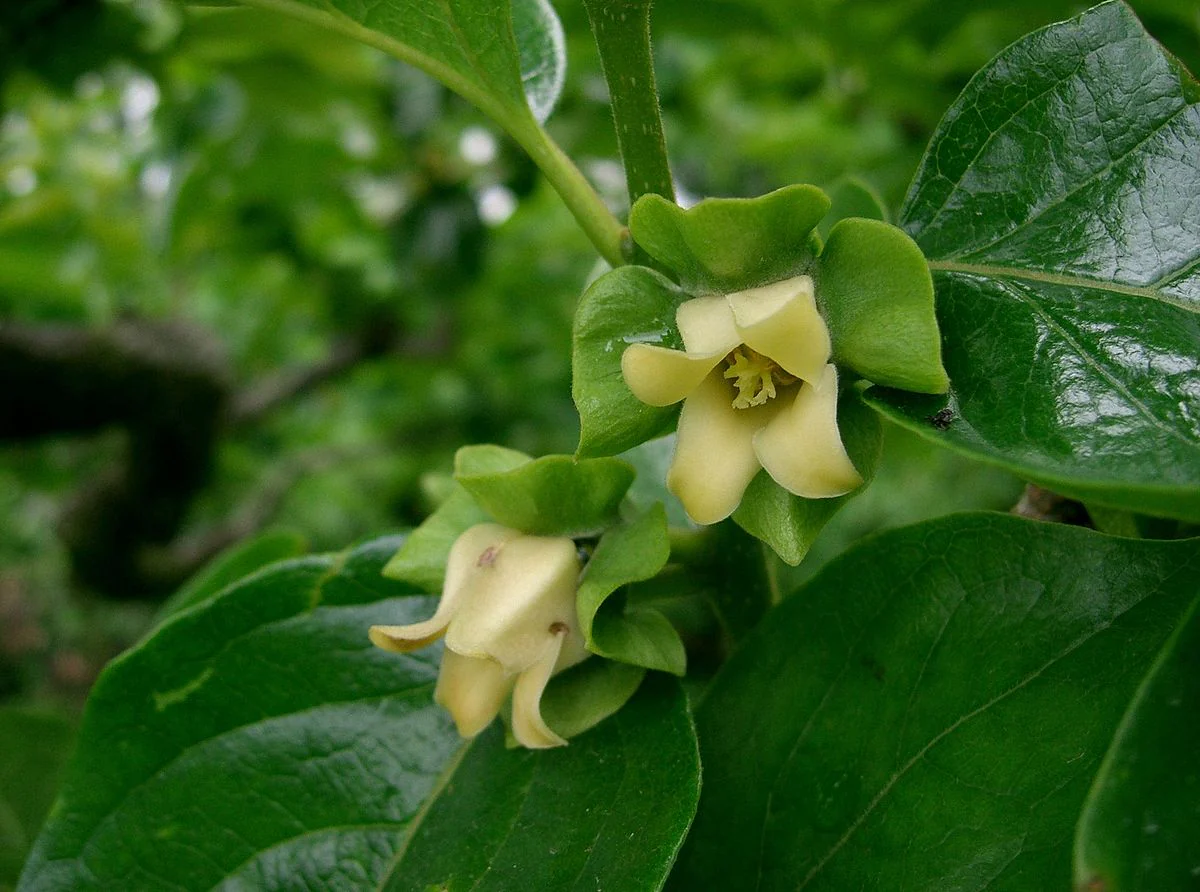
Ebony grows 40-60 feet with valuable dark wood. My small tree adds contrast.
- Grow It: Plant in spring, 15 feet apart, in full sun with fertile soil.
- Care: Water 1 inch weekly; protect from frost.
- Tip: Use for ornamental shade.
- Zones: 9-11.
11. European Beech (Fagus sylvatica)
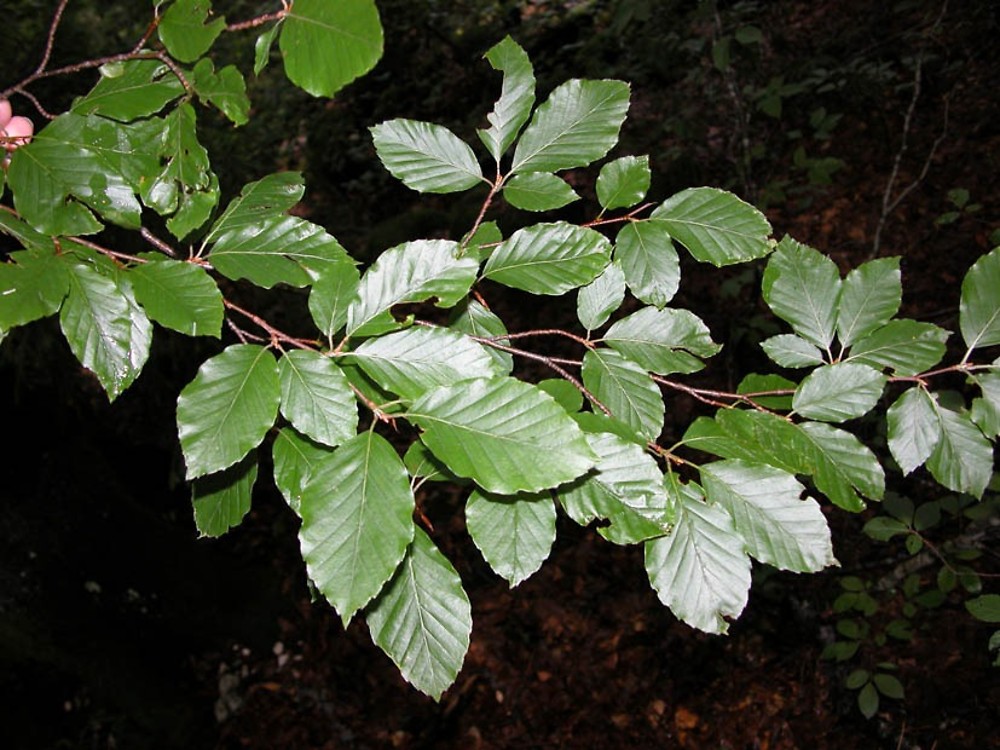
European Beech grows 50-70 feet with copper leaves in fall. My specimen shades a lawn.
- Grow It: Plant in fall, 30 feet apart, in full sun with rich soil.
- Care: Water 1 inch weekly; mulch roots.
- Tip: Choose copper varieties for color.
- Zones: 4-7.
12. Eastern White Pine (Pinus strobus)
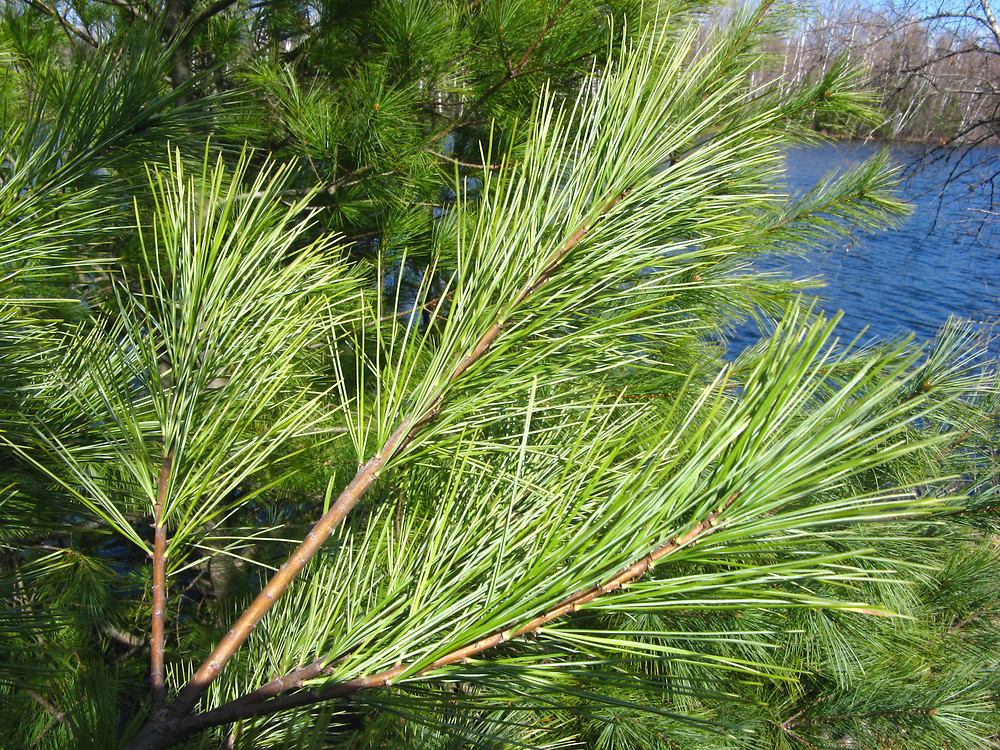
Eastern White Pine grows 50-80 feet with soft needles. My tree provides bird cover.
- Grow It: Plant in spring, 20 feet apart, in full sun with acidic soil.
- Care: Water 1 inch weekly; thin branches.
- Tip: Use for screens.
- Zones: 3-8.
Resource: Purdue Extension on white pines.
13. Evergreen Bayberry (Morella pensylvanica)
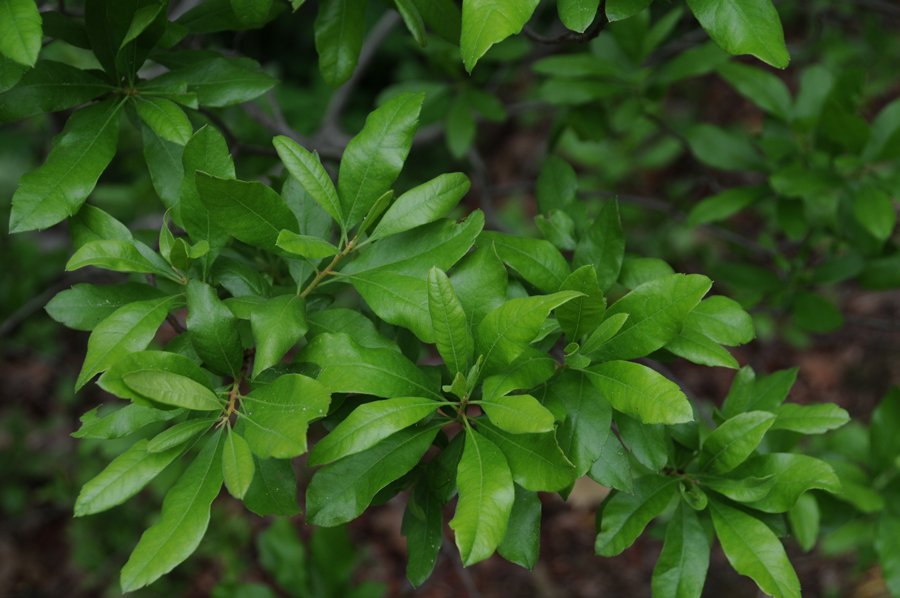
Evergreen Bayberry grows 5-15 feet with aromatic berries. My shrub adds winter interest.
- Grow It: Plant in spring, 6 feet apart, in full sun with sandy soil.
- Care: Water 0.5 inch weekly; prune for shape.
- Tip: Use for hedges.
- Zones: 3-7.
14. Eastern Hemlock (Tsuga canadensis)
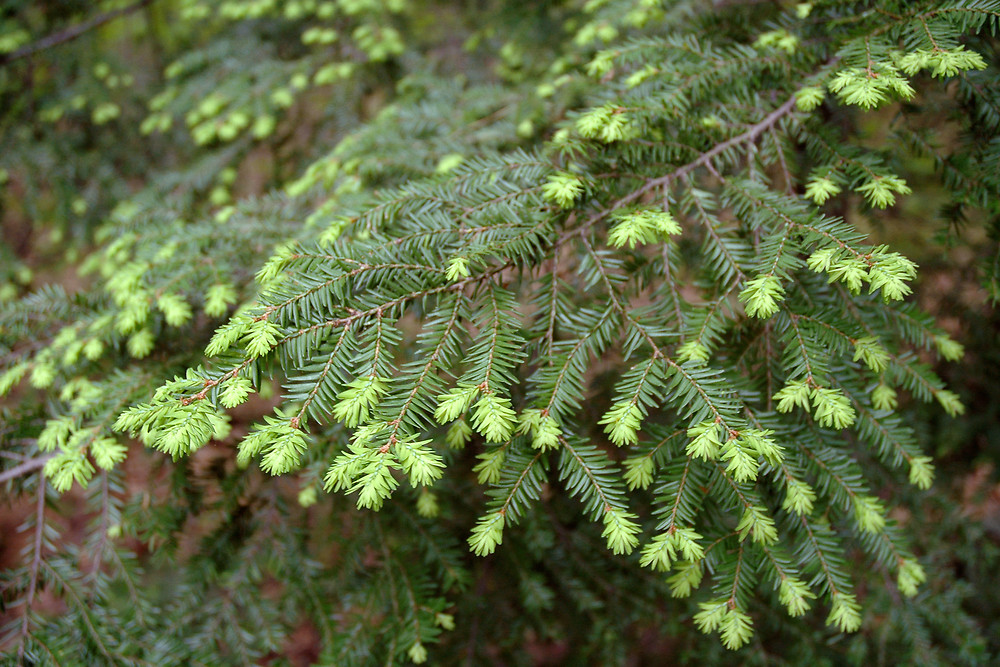
Eastern Hemlock grows 40-70 feet with soft needles. My tree shades a path.
- Grow It: Plant in spring, 15 feet apart, in partial shade with moist soil.
- Care: Water 1 inch weekly; protect from deer.
- Tip: Use for screens.
- Zones: 3-7.
15. English Oak (Quercus robur)
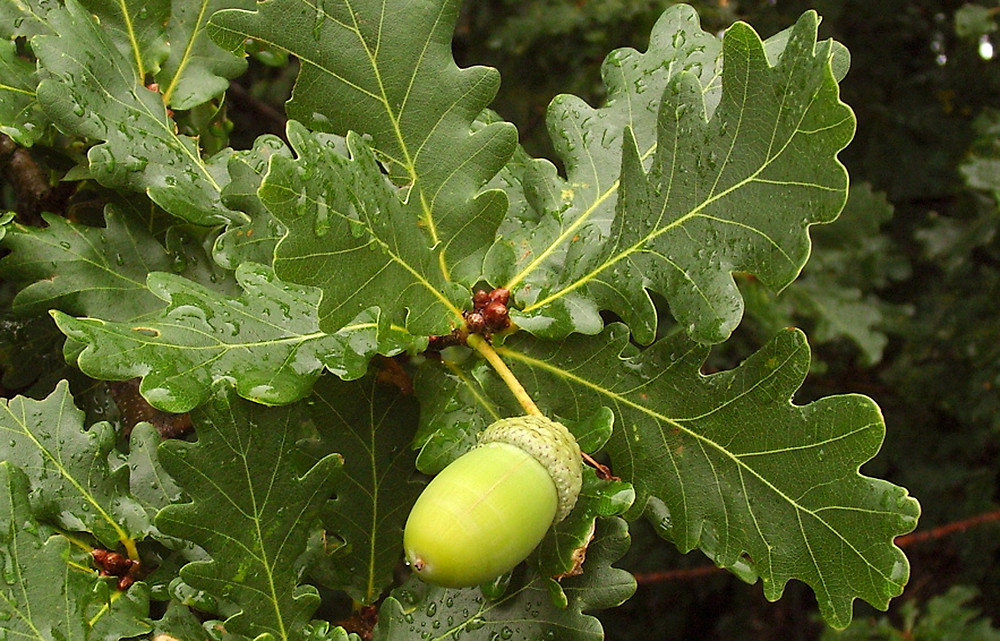 nativeplanttrust.org
English Oak grows 60-80 feet with acorns for wildlife. My young oak provides habitat.
- Grow It: Plant acorns in fall, 40 feet apart, in full sun with fertile soil.
- Care: Water 1 inch weekly first years.
- Tip: Choose for longevity.
- Zones: 5-8.
16. Eastern White Cedar (Thuja occidentalis)
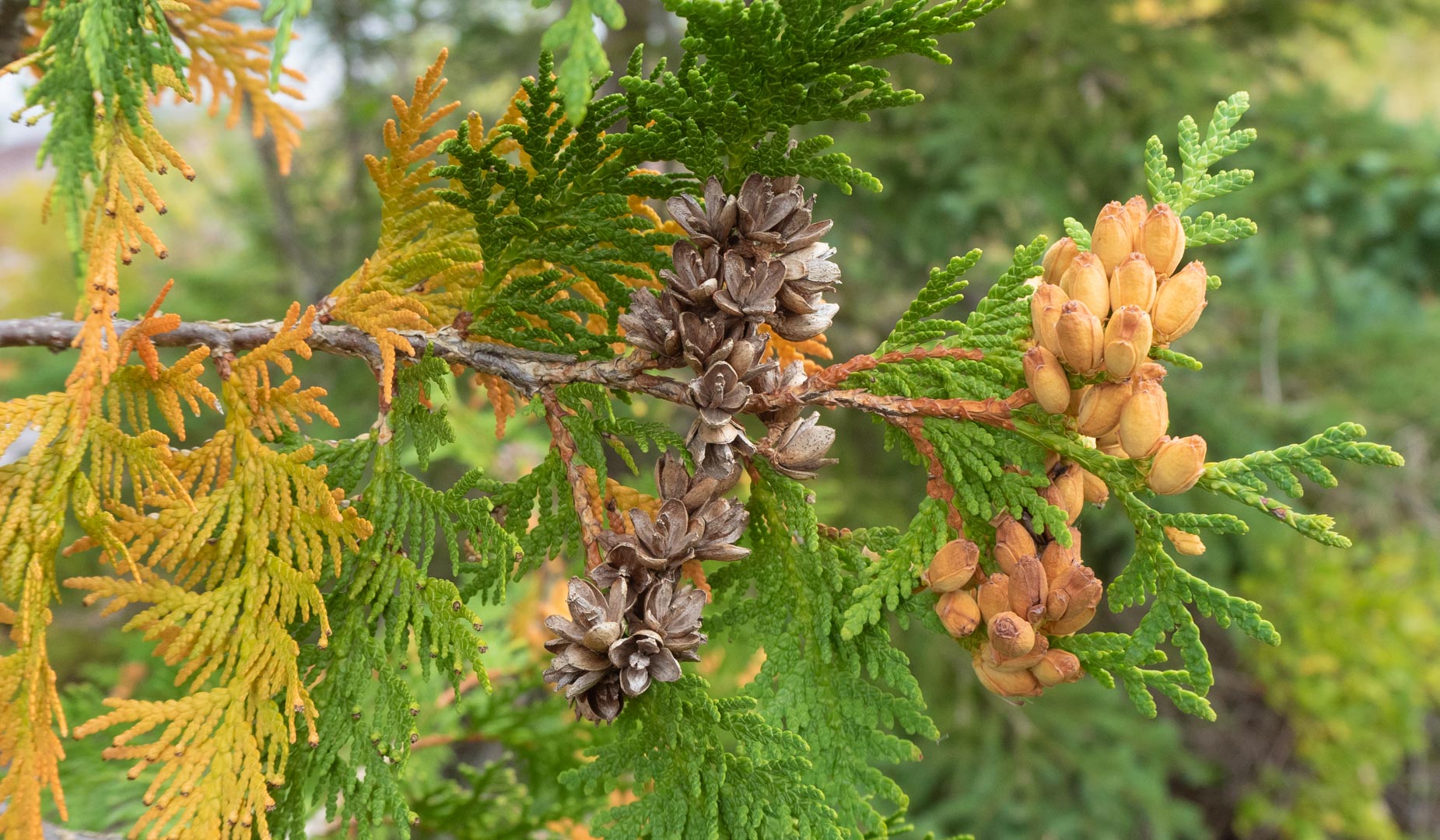 conifers.org
Eastern White Cedar grows 40-60 feet evergreen. My hedge blocks wind.
- Grow It: Plant in spring, 5 feet apart, in full sun with moist soil.
- Care: Water 1 inch weekly; shear for shape.
- Tip: Use for privacy screens.
- Zones: 2-7.
17. Emory’s Yucca (Yucca emoryi)

Emory’s Yucca grows 10-20 feet with white flowers. My specimen adds drama.
- Grow It: Plant in spring, 10 feet apart, in full sun with well-drained soil.
- Care: Water 0.5 inch weekly; remove dead leaves.
- Tip: Use in xeriscapes.
- Zones: 7-10.
18. European Hornbeam (Carpinus betulus)

European Hornbeam grows 40-60 feet with dense foliage. My tree shades evenly.
- Grow It: Plant in fall, 20 feet apart, in full sun with rich soil.
- Care: Water 1 inch weekly; prune in winter.
- Tip: Use for hedges.
- Zones: 4-7.
19. Eastern Larch (Larix laricina)
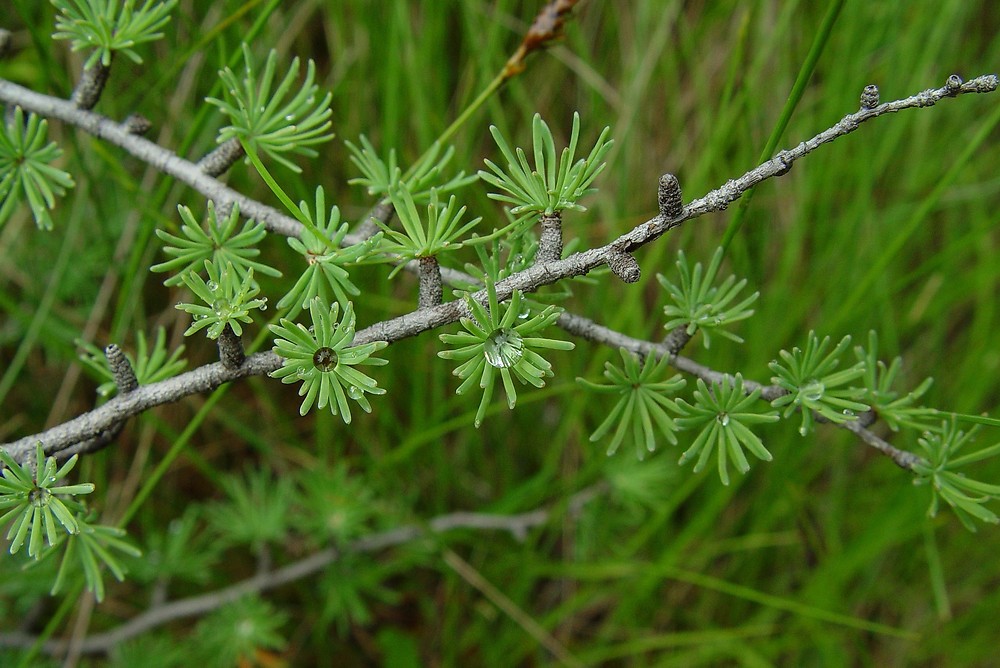
Eastern Larch grows 40-60 feet deciduous conifer. My tree turns gold in autumn.
- Grow It: Plant in spring, 20 feet apart, in full sun with wet soil.
- Care: Water 1 inch weekly; tolerant of poor sites.
- Tip: Use in wet areas.
- Zones: 2-5.
20. Elephant Tree (Bursera microphylla)
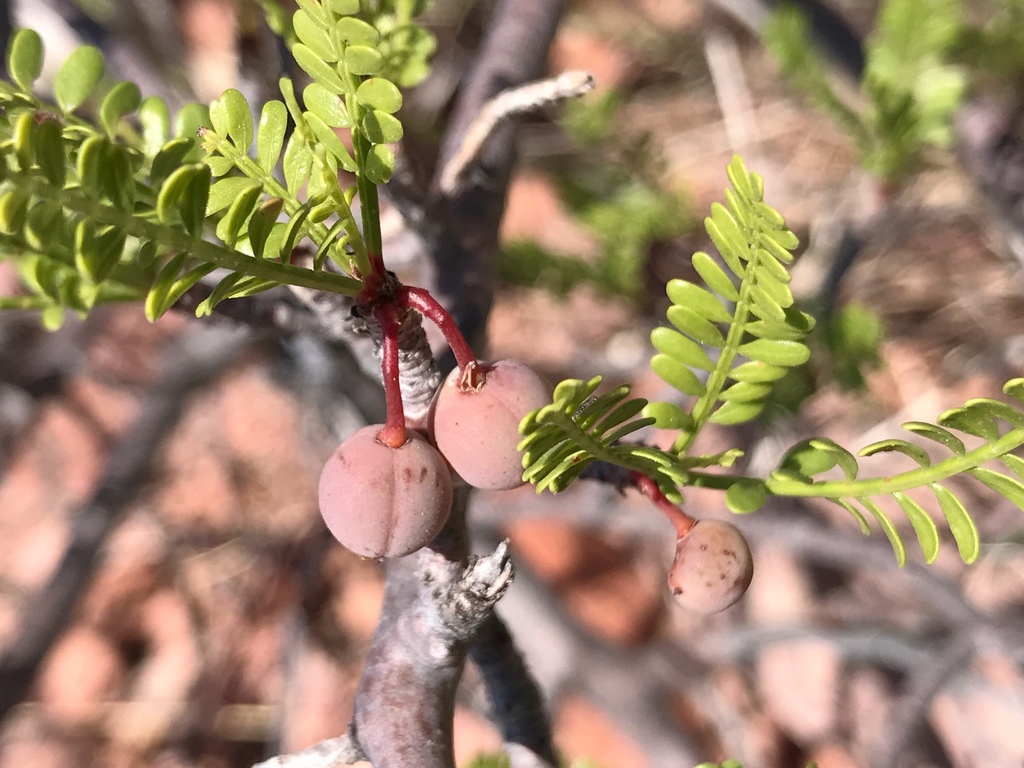
Elephant Tree grows 20-30 feet with a fat trunk. My small tree stores water.
- Grow It: Plant in spring, 15 feet apart, in full sun with sandy soil.
- Care: Water 0.5 inch monthly; drought-tolerant.
- Tip: Use in rock gardens.
- Zones: 9-11.
Mistakes to Avoid
I’ve made these errors; don’t you:
- Overwatering Eucalyptus or Eastern Cottonwood; wet soil causes rot.
- Planting Eastern Hemlock in dry spots; it needs moisture.
- Skipping compost; poor soil stunts growth.
Check our common gardening mistakes for more.
Make Your Garden Thrive with These E-Trees
These 20 trees that start with E bring shade, structure, and wildlife to your garden beds. From Eastern Redbud’s spring pink to Eucalyptus’s aroma, plant in well-drained soil, add compost, and follow my tips for success. Which one’s going in your yard? Share in the comments; I’d love to hear! For more ideas, visit our full gardening blog or sustainable gardening tips on USA Garden Hub. Happy planting!