
Discover the vibrant world of African Daisy flowers: Learn about their types, care tips and how to grow these colorful blooms in your garden. Perfect for beginner and experienced gardeners looking to add a touch of African beauty to their outdoor spaces.
Have you ever seen a flower that looks like it’s straight out of a colorful painting? That might be an African Daisy! These bright and cheerful flowers can make any garden pop with color. Let’s learn more about these eye-catching plants.
Here’s an easy and verified chart for African Daisies (Osteospermum):
CategoryDetailsBotanical NameOsteospermum spp.Common NameAfrican Daisy, Cape DaisyPlant TypePerennial (often grown as an annual in colder climates)Hardiness ZoneZones 9-11 (some varieties can tolerate colder zones)Sun ExposureFull sunSoil TypeWell-draining, sandy or loamy soilWatering NeedsModerate; drought tolerant once establishedGrowth HabitLow-growing, spreadingHeight/Spread6-12 inches tall, spread of 12-24 inchesSpecial FeaturesLarge, daisy-like flowers in various colors (purple, pink, white); blooms from spring to fall; attractive to butterflies; deer resistant
What are African Daisies?
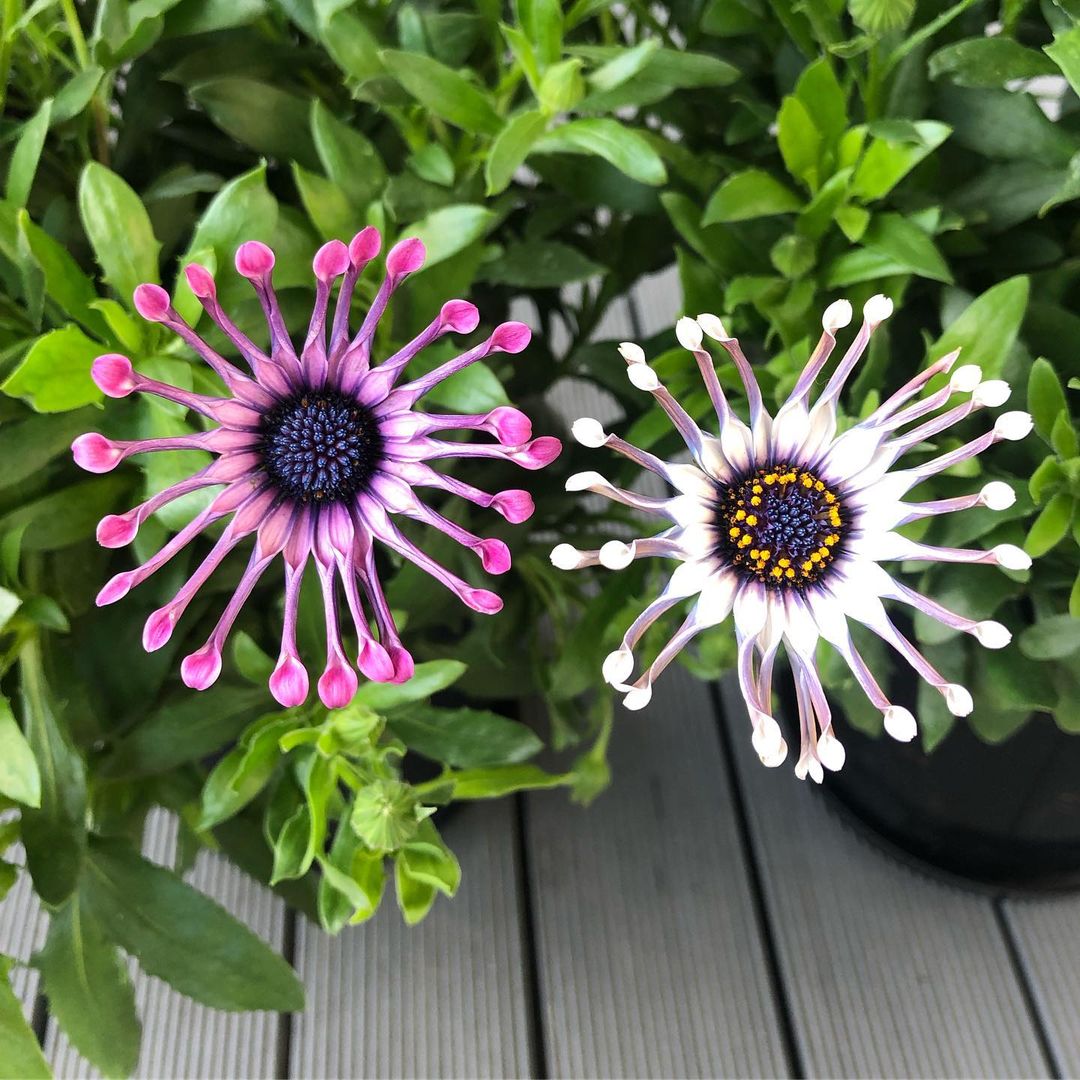
African Daisies, also known as Osteospermum, are flowers that originally come from South Africa. They’re not actually daisies, but they look a lot like them. These flowers love the sun and can handle dry conditions, just like in their home country.
How Do African Daisies Look?
- Color: Many colors including white, pink, purple, yellow and orange
- **Shape: **Daisy-like with petals around a center disk
- **Size: **Plants usually grow 1 to 3 feet tall and wide
- Leaves: Usually green, sometimes with a silvery tone
Popular Types of African Daisies:
- Cape Daisy: The most common type
- Blue-eyed Daisy: Has a striking blue center
- **Whirligig: **Has spoon-shaped petals
- **Soprano Series: **Compact plants great for containers
Growing African Daisies in Your Garden: Want to grow these colorful flowers? Here’s how:
- Choose a spot with full sun.
- Make sure the soil drains well. These plants don’t like wet feet!
- Plant in spring after the last frost.
- Water regularly when young, but once established, they’re quite drought-tolerant.
- Pinch off dead flowers to encourage more blooms.
Uses of African Daisies:
- **In Flower Beds: **African Daisies make great border plants or mass plantings.
- **In Containers: **They work well in pots and hanging baskets, adding color to patios and balconies.
- **As Cut Flowers: **These daisies can brighten up any flower arrangement.
- **For Pollinators: **Bees and butterflies love African Daisies!
Caring for African Daisies:
- Watering: Keep soil moist but not soggy. Water less in winter.
- **Fertilizing: **Feed with a balanced fertilizer every month during growing season.
- **Pruning: **Trim back in late winter to keep plants bushy.
- **Winter care: **In cold areas, bring potted plants indoors or protect with mulch.
Fun Facts:
- African Daisies close their petals at night and on cloudy days.
- Some types of African Daisies have petals that look metallic in sunlight.
- These plants are part of the Asteraceae family, which includes sunflowers and chrysanthemums.
Things to Watch Out For:
- African Daisies can spread quickly in warm climates.
- They might not bloom well in very hot summers.
- Some types are annuals (live for one year) while others are perennials (come back year after year).
African Daisies are a great way to add bright, bold colors to your garden. They’re pretty easy to grow and can handle tough conditions. Whether you have a big garden or just a small patio, there’s probably a perfect spot for these cheerful flowers. Why not try growing some African Daisies and bring a piece of South Africa to your home?
I hope this article helps you learn about African Daisy flowers. Have you ever seen these colorful blooms in a garden? They’re definitely worth looking out for on your next garden visit!
For more gardening tips and plant care guides, visit usagardenhub.com.