
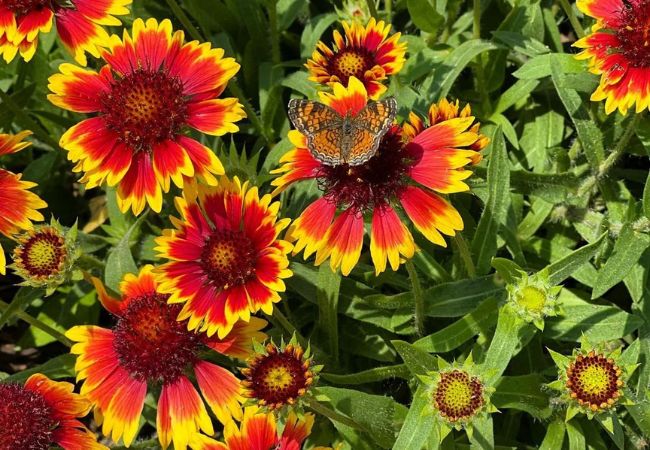
Discover the beauty and ease of growing Blanket Flowers. Learn how these colorful, drought-tolerant perennials can brighten your garden with minimal care. Perfect for both novice and experienced gardeners!
Blanket Flowers, also known as Gaillardia, are cheerful and hardy plants that bring a pop of color to any garden. Native to North and South America, these vibrant flowers are beloved for their long blooming season and low-maintenance nature. In this article, we’ll explore everything you need to know about growing and enjoying Blanket Flowers in your garden.
Here’s an easy-to-understand chart for Blanket Flowers:
AttributeDetailsBotanical NameGaillardia spp.Common NameBlanket FlowersPlant Zone3-10Sun ExposureFull SunSoil TypeWell-drained, sandy or loamy soilWateringLow to moderate, drought-tolerant once establishedGrowth HabitHerbaceous perennial or annualHeight/Spread1-3 feet tall, 1-2 feet wideSpecial FeaturesVibrant, daisy-like flowers in red, orange, yellow; long blooming period; attracts pollinators; deer-resistant; excellent for borders, containers, and rock gardens
What are Blanket Flowers?
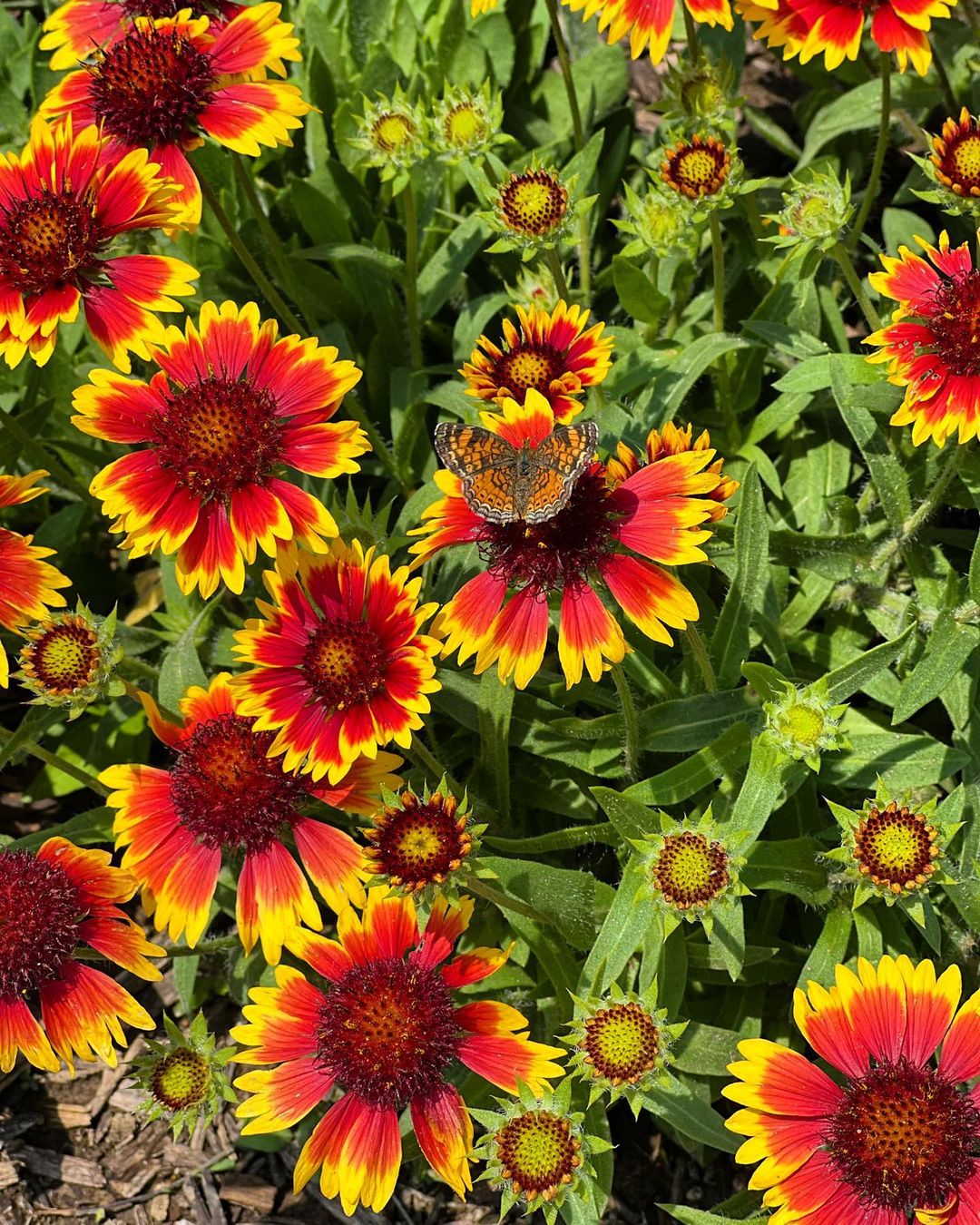
Blanket Flowers belong to the genus Gaillardia in the Asteraceae family. They get their common name from the way their colorful blooms blanket the ground. These daisy-like flowers typically feature warm colors like red, orange, and yellow, often with multiple colors on a single flower.
Popular Types of Blanket Flowers
- Common Blanket Flower (Gaillardia aristata) Native to North America, with large, daisy-like flowers.
- Indian Blanket (Gaillardia pulchella) An annual species with red flowers and yellow edges.
- Arizona Sun (Gaillardia x grandiflora ‘Arizona Sun’) A popular cultivar with bright red flowers and yellow tips.
Benefits of Growing Blanket Flowers
- Drought-tolerant Once established, Blanket Flowers are very resistant to dry conditions.
- Attracts pollinators These flowers are loved by bees, butterflies, and other beneficial insects.
- Long blooming season With proper care, Blanket Flowers can bloom from early summer until frost.
- Low maintenance These hardy plants require minimal care once established.
How to Grow Blanket Flowers
Growing Blanket Flowers is straightforward. Here’s what you need to know:
- When to plant Plant in spring after the last frost, or in early fall in warmer climates.
- Where to plant Choose a spot with full sun. Blanket Flowers thrive in USDA hardiness zones 3-10.
- Soil requirements Well-draining soil is crucial. Learn about improving soil drainage from the University of Minnesota Extension.
- Planting Space plants about 12-18 inches apart. Water thoroughly after planting.
- Care Water regularly until established. Deadhead spent blooms to encourage more flowers.
Blanket Flowers in Different Garden Styles
Blanket Flowers are versatile and can fit into various garden styles:
- Wildflower gardens Their native origins make them perfect for natural-looking landscapes.
- Drought-tolerant gardens Blanket Flowers are excellent choices for water-wise gardening.
- Cottage gardens Their colorful, informal blooms fit perfectly in cottage-style gardens.
Dealing with Common Blanket Flower Problems
While generally easy to grow, Blanket Flowers can face some issues:
- Overwatering Ensure good drainage to prevent root rot. Learn more about proper watering from the Royal Horticultural Society.
- Powdery mildew Improve air circulation and avoid overhead watering to prevent this fungal disease.
Companion Plants for Blanket Flowers
Blanket Flowers pair well with other sun-loving, drought-tolerant plants:
Using Blanket Flowers in Bouquets
Blanket Flowers make excellent cut flowers. Here are some tips:
- Cut stems in the morning when flowers are fully open.
- Remove leaves that will be below the water line.
- Change water every few days to extend vase life.
Blanket Flowers are a delightful addition to any garden, offering vibrant colors, easy care, and benefits for pollinators. Whether you’re a beginner or an experienced gardener, these cheerful blooms can bring long-lasting beauty to your outdoor space. With their drought tolerance and long blooming season, Blanket Flowers are sure to become a favorite in your garden.
For more information on native plants and gardening, visit the National Garden
For more gardening tips and plant care guides, visit usagardenhub.com.