
Discover everything about bluish-green Echeveria succulents - from care tips to popular varieties. Expert guidance on growing these stunning rosette-forming plants. Updated for 2024.
Echeveria succulents with bluish-green coloring are stunning, low-maintenance plants known for their mesmerizing rosette formations and ethereal color palette. These drought-tolerant succulents range from powdery blue to seafoam green, making them perfect for both indoor and outdoor gardens. Their unique coloring comes from a natural protective coating called farina, which helps shield the plant from intense sunlight and adds to their otherworldly appearance.

Hello, I’m Ashley Scott, a succulent specialist with over 15 years of experience in cultivating and breeding Echeveria varieties. Today, I’ll share my expert knowledge about bluish-green Echeveria succulents, one of the most sought-after color variations in the succulent world.
Popular Bluish Green Echeveria Varieties
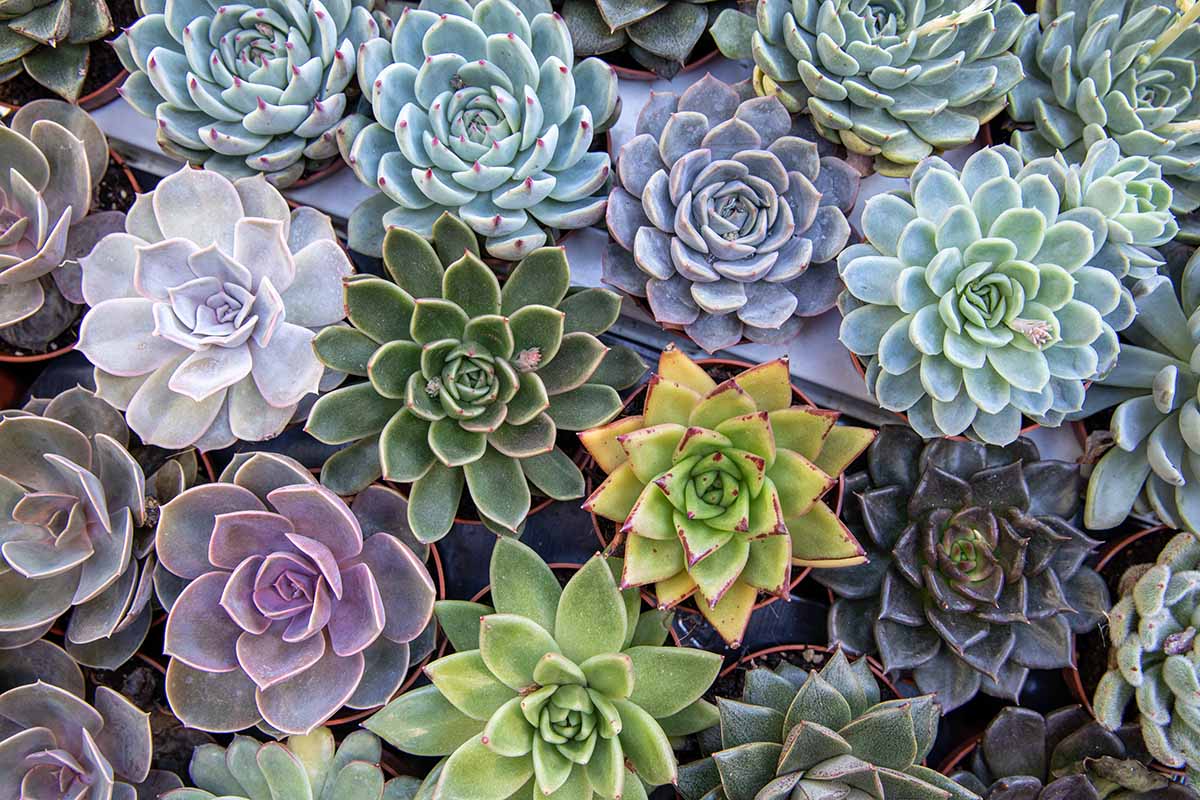
Several stunning varieties showcase this coveted coloring:
Echeveria ‘Blue Prince’
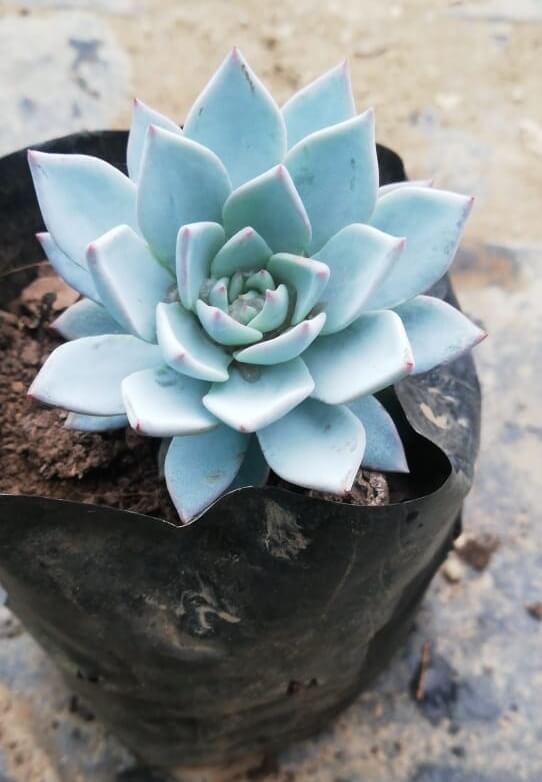 Image : succulentplant
- Powder-blue leaves with pink edges
- Compact rosettes reaching 6 inches
- Excellent for container gardens
Echeveria ‘Blue Bird’
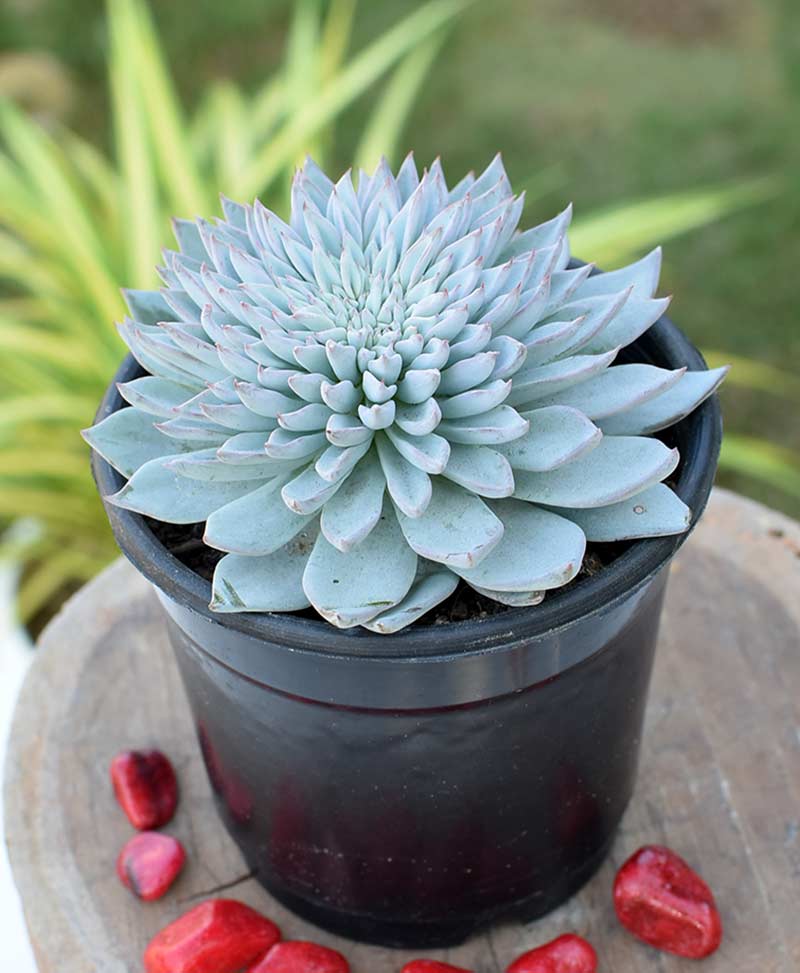 Image : mashrita
- Silvery blue-green leaves
- Tight rosettes with pointed tips
- Perfect for rock gardens
Echeveria ‘Blue Atoll’
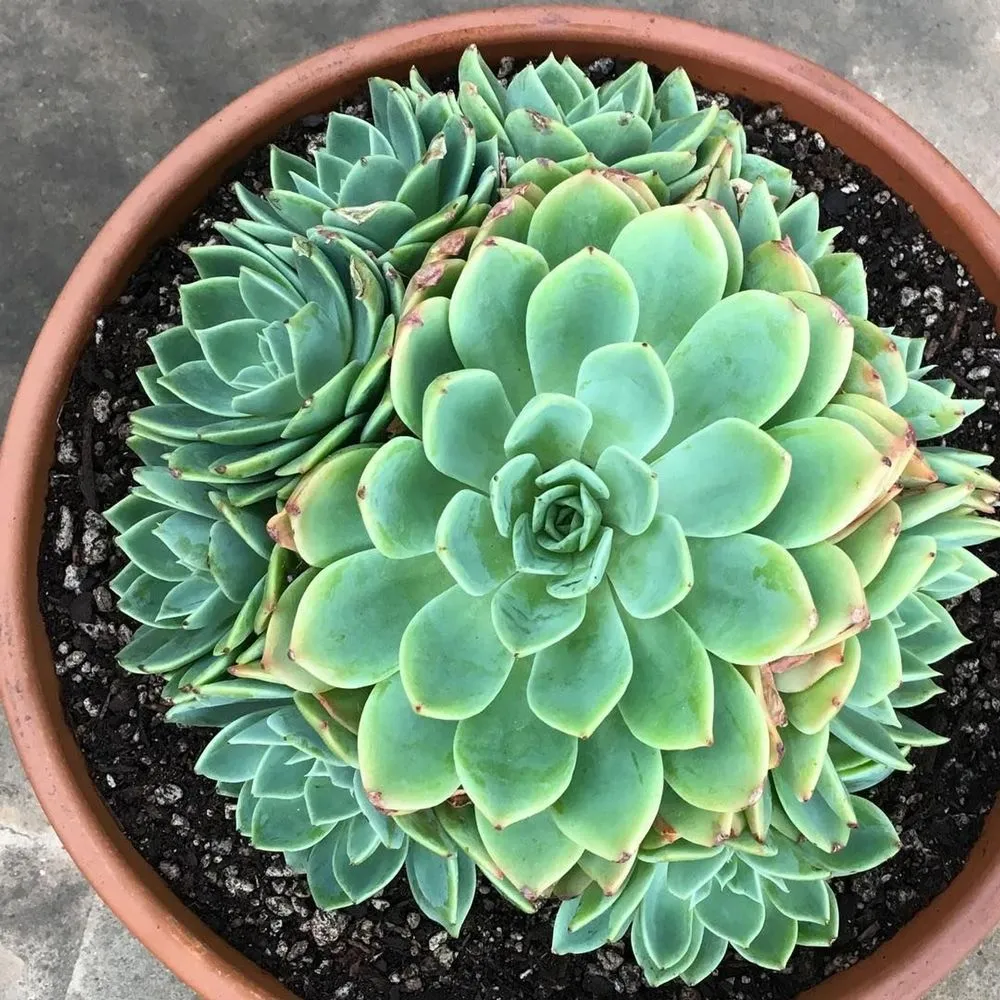 Image : myplantin
- Seafoam green coloring
- Large rosettes up to 8 inches
- Dramatic focal point plant
Understanding the Blue-Green Coloring
The distinctive bluish-green appearance comes from:
Farina (Natural Coating)
- Powdery protective layer
- Shields from intense sunlight
- Shouldn’t be touched to preserve appearance
Environmental Factors
- More sun exposure often intensifies color
- Seasonal changes affect hue intensity
- Stress can enhance blue coloring
Growing Requirements
Light Requirements
- Bright, indirect sunlight
- Morning sun with afternoon shade
- Protection from intense afternoon heat
Soil and Water Needs
- Well-draining succulent soil mix
- Check out this specialized soil mix guide
- Water only when soil is completely dry
Temperature Conditions
- Ideal range: 65-80°F (18-27°C)
- Can tolerate brief periods of light frost
- Protect from extended cold exposure
Propagation Methods
- Leaf Propagation
- Gently twist leaves from stem
- Allow callusing for 2-3 days
- Place on well-draining soil
- Offsets (Pups)
- Wait until pups are 1/3 size of mother plant
- Cut with clean, sharp knife
- Let callus before replanting
/beneficial-bugs-for-succulents/
Common Care Challenges
Problem Prevention
- Avoid overwatering
- Provide adequate airflow
- Maintain proper light exposure
Disease Management
- Watch for root rot
- Monitor for mealybugs
- Treat fungal issues promptly
Seasonal Care Tips
Spring and Summer
- Increase light exposure gradually
- Monitor water needs more frequently
- Apply diluted fertilizer monthly
Fall and Winter
- Reduce watering frequency
- Protect from frost
- Move indoor plants away from cold windows
Display and Arrangement Ideas
- Container Gardens
- Use shallow, wide pots
- Combine with other blue succulents
- Create monochromatic displays
- Rock Garden Integration
- Plant between rocks
- Group with similar colors
- Consider growth patterns
Advanced Growing Techniques
Color Enhancement
- Strategic light exposure
- Proper stress techniques
- Seasonal adjustment methods
Show Preparation
- Grooming techniques
- Competition guidelines
- Presentation tips
/why-is-my-succulents-leaves-falling-off/
Collecting and Trading
- Building Your Collection
- Reputable sources
- Trading communities
- Show acquisitions
- Preservation Methods
- Documentation
- Photography
- Record keeping
Conclusion
Bluish-green Echeveria succulents offer a stunning addition to any collection, combining easy care with ethereal beauty. With proper attention to their basic needs and an understanding of their unique characteristics, these plants can thrive and provide years of enjoyment.
/succulent-bouquets/