
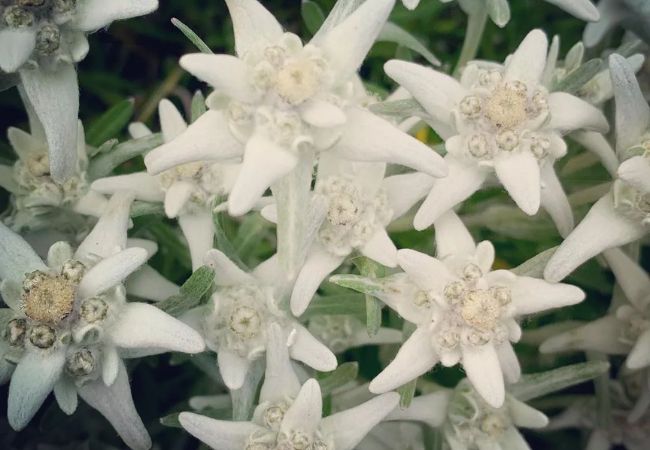
Discover how to grow the charming Edelweiss flower in your garden. This guide covers planting, care and tips for cultivating this iconic alpine bloom in various US regions.
Have you ever heard of the Edelweiss flower? This small white bloom might not be flashy, but it’s full of charm and history. Let’s explore this interesting plant and see how you can grow it in your own garden.
Certainly! Here’s a structured chart with information about the Edelweiss plant:
CategoryInformationBotanical NameLeontopodium alpinumCommon NameEdelweissPlant ZoneZones 4-9Sun ExposureFull sun to partial shadeSoil TypeWell-draining, gritty soilWateringLow; prefers dry to moderately moist soilGrowth HabitPerennial herbHeight/Spread6-12 inches (15-30 cm) tall, spreads slowlySpecial FeaturesWhite woolly flowers, alpine and rocky habitats
What is Edelweiss?
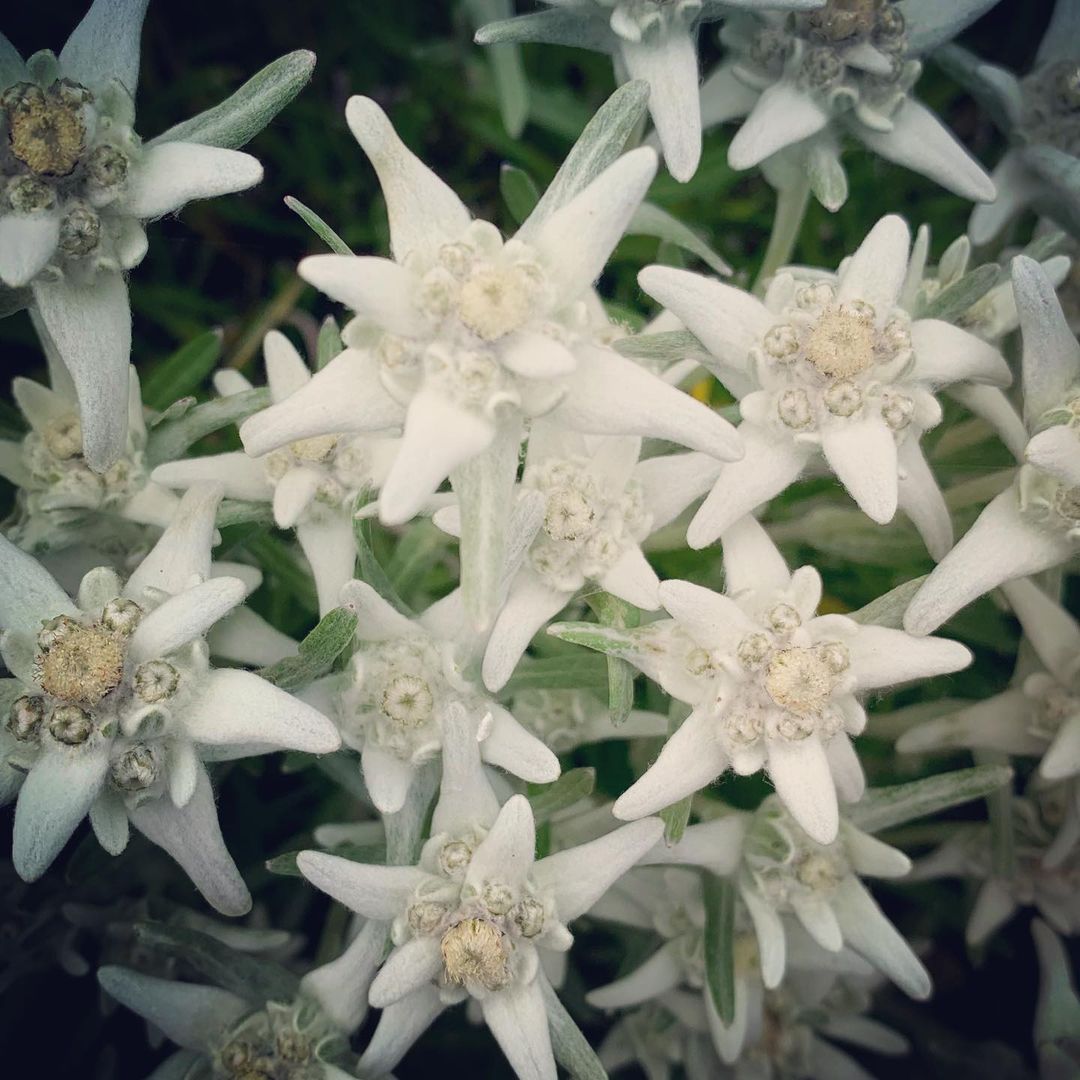
Edelweiss (Leontopodium alpinum) is a small white flower that grows naturally in the Alps and Carpathian Mountains of Europe. It’s famous for its star-like shape and woolly appearance. The name “Edelweiss” comes from German words meaning “noble” and “white”.
For a detailed botanical description, check out the USDA Natural Resources Conservation Service plant guide.
Why Grow Edelweiss?
- It’s a unique and interesting flower
- It’s low-maintenance once established
- It has a rich cultural history
- It can grow in rock gardens or alpine gardens
How to Plant Edelweiss
When to Plant
Plant Edelweiss seeds in spring or early summer. For specific planting times in your area, consult the USDA Plant Hardiness Zone Map.
Where to Plant
Edelweiss likes full sun but can tolerate some shade. It prefers cool climates and does best in areas that mimic its native alpine habitat.
Soil
These flowers need well-draining soil. They prefer slightly alkaline soil with a pH between 6.5 and 7.5. Learn more about soil pH from the University of Minnesota Extension.
Planting Steps
- Prepare a well-draining soil mix
- Scatter seeds on the surface of the soil (don’t bury them)
- Keep the soil moist until germination
Caring for Your Edelweiss
Water
Edelweiss doesn’t need much water once established. Water only when the soil is dry.
Fertilizer
These plants don’t need much fertilizer. A light application of balanced, slow-release fertilizer in spring is enough.
Winter Care
Edelweiss is hardy and can survive cold winters. In very harsh climates, you might want to cover it with a light layer of mulch.
Common Problems and Solutions
- Root Rot: This happens when the soil is too wet. Make sure your soil drains well. The University of California Integrated Pest Management Program offers more information on preventing root rot.
- Slugs and Snails: These pests can damage young plants. Learn how to manage them from the Oregon State University Extension Service.
- Overwatering: Edelweiss doesn’t like wet feet. Be careful not to water too much.
Interesting Facts About Edelweiss
- Edelweiss is the national flower of Austria and Switzerland
- It has been used in traditional medicine for centuries
- The flower became famous partly due to the song “Edelweiss” in The Sound of Music
Growing Edelweiss in Different Regions
Edelweiss can be grown in many parts of the USA, but it might need special care in some regions:
- In colder areas (like the Northeast or Midwest), Edelweiss can thrive with minimal care
- In warmer regions (like the South), it might struggle in the heat and need extra shade
- In dry areas (like parts of the West), it might need more frequent watering
For region-specific gardening advice, check out the Cooperative Extension System website.
Edelweiss is a unique and charming flower that can add a touch of alpine beauty to your garden. While it might need some special care, the reward of seeing these star-like blooms in your yard is well worth the effort.
For more information on growing alpine plants in your garden, visit the North American Rock Garden Society website.
For more gardening tips and plant care guides, visit usagardenhub.com.