
Discover 8 stunning flowers that start with E, like echinacea and evening primrose, with easy growing tips from Ashley Scott, a 10-year gardening pro. Perfect for USA gardens!
Here’s a handpicked list of flowers that start with E, complete with descriptions, care tips, and how they can shine in your garden. I’ve included a variety of annuals, perennials, and even some that pair beautifully with native ornamental grasses or propagating succulents in soil for a cohesive look. Each entry has a touch of my gardening journey to make it relatable and fun.
Top Flowers That Start with E
1. Echinacea (Echinacea purpurea)
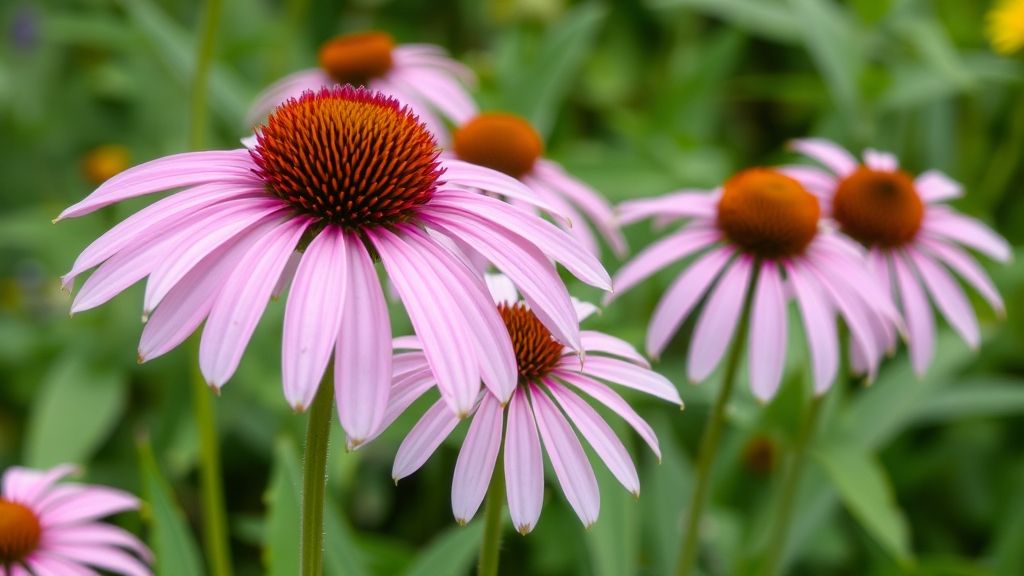
Echinacea, or coneflower, is a stunning perennial with daisy-like flowers in purple, pink, or white. I love planting these in my garden because they attract bees and butterflies, much like the blooming plants that bees love from my post at USA Garden Hub. They’re also drought-tolerant, making them a great companion for succulent propagation projects.
- Growing Conditions: Full sun, well-drained soil.
- Size: 2–4 feet tall.
- Zones: 3–9.
- Tip from Ashley: Deadhead to extend blooming, but leave some seed heads for birds in winter. They pair well with native grasses like little bluestem.
- Fun Fact: Echinacea is used in herbal remedies for immune support.
Related Resource: Learn more about echinacea at Missouri Botanical Garden.
2. Evening Primrose (Oenothera biennis)
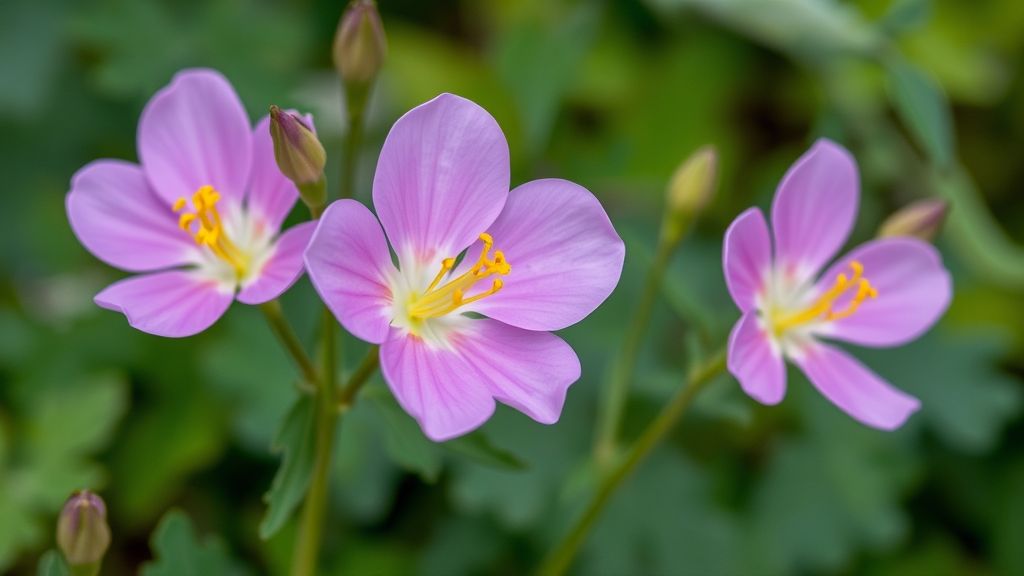
Evening primrose blooms with delicate yellow flowers that open at dusk, much like moonflowers. I’ve grown these in a corner of my garden for their evening glow, and they’re as low-maintenance as propagating succulent leaves in water. They’re perfect for pollinator-friendly gardens.
- Growing Conditions: Full sun to partial shade, well-drained soil.
- Size: 2–5 feet tall.
- Zones: 4–9.
- Tip from Ashley: These self-seed easily, so plant them where you don’t mind a little spread. Great for night gardens!
- Fun Fact: The roots and seeds are edible and used in traditional medicine.
Related Resource: Check out evening primrose care at North Carolina State Extension.
3. Edelweiss (Leontopodium alpinum)
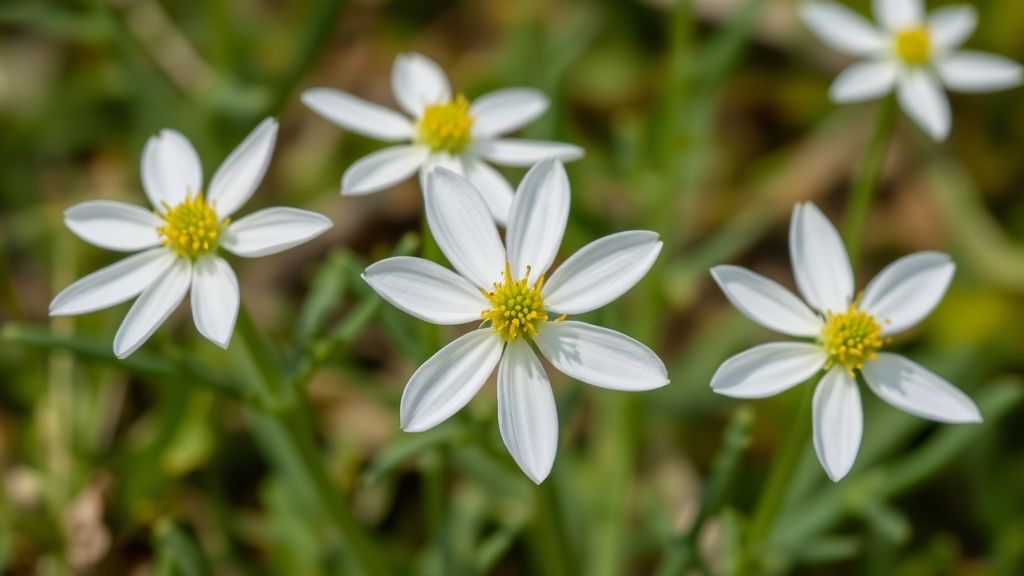
Edelweiss is a charming alpine flower with fuzzy, star-shaped white blooms. I tried growing these in a rock garden alongside succulent propagation trays, and their unique texture adds a whimsical touch. They’re a bit trickier but worth it for their alpine charm.
- Growing Conditions: Full sun, well-drained, sandy soil.
- Size: 6–12 inches tall.
- Zones: 4–7.
- Tip from Ashley: Ensure sharp drainage to mimic their mountain habitat. They’re deer-resistant, too!
- Fun Fact: Edelweiss is a symbol of rugged beauty, famously sung about in The Sound of Music.
Related Resource: Explore edelweiss growing tips at University of Wisconsin Extension.
4. Euphorbia (Euphorbia spp.)
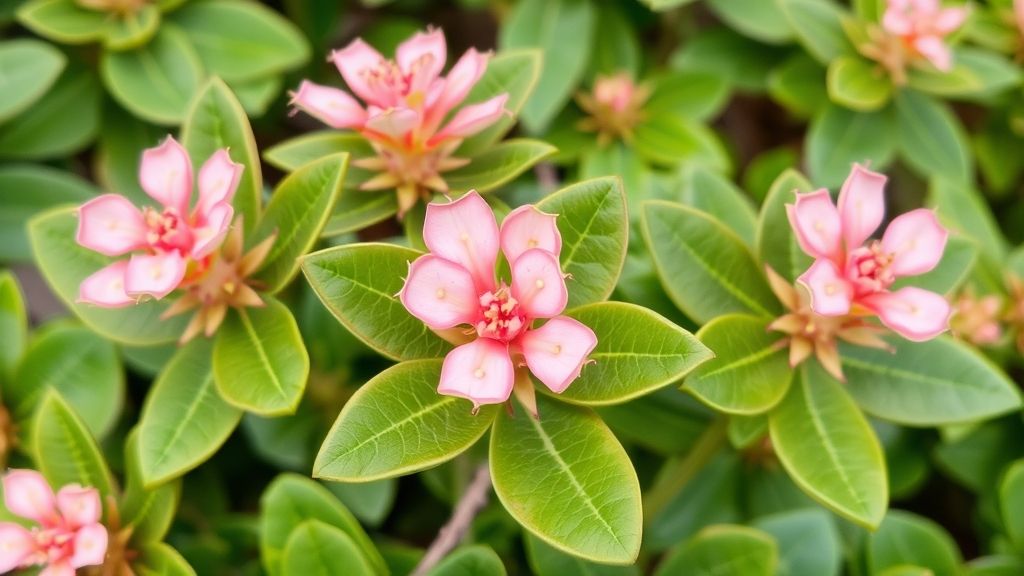
Euphorbia, or spurge, offers clusters of tiny flowers surrounded by colorful bracts in shades like yellow, green, or red. Some varieties, like Euphorbia milii, have succulent-like qualities, making them a natural fit for succulent propagation from stem fans. I grow these for their long-lasting color.
- Growing Conditions: Full sun to partial shade, well-drained soil.
- Size: 1–3 feet tall, depending on variety.
- Zones: 5–11 (varies by species).
- Tip from Ashley: Wear gloves when handling, as the sap can irritate skin. Perfect for xeriscaping with succulents.
- Fun Fact: Euphorbia’s bracts often outshine the true flowers, creating a bold display.
Related Resource: Learn about euphorbia varieties at University of Florida’s IFAS Extension.
5. Eryngium (Eryngium spp.)
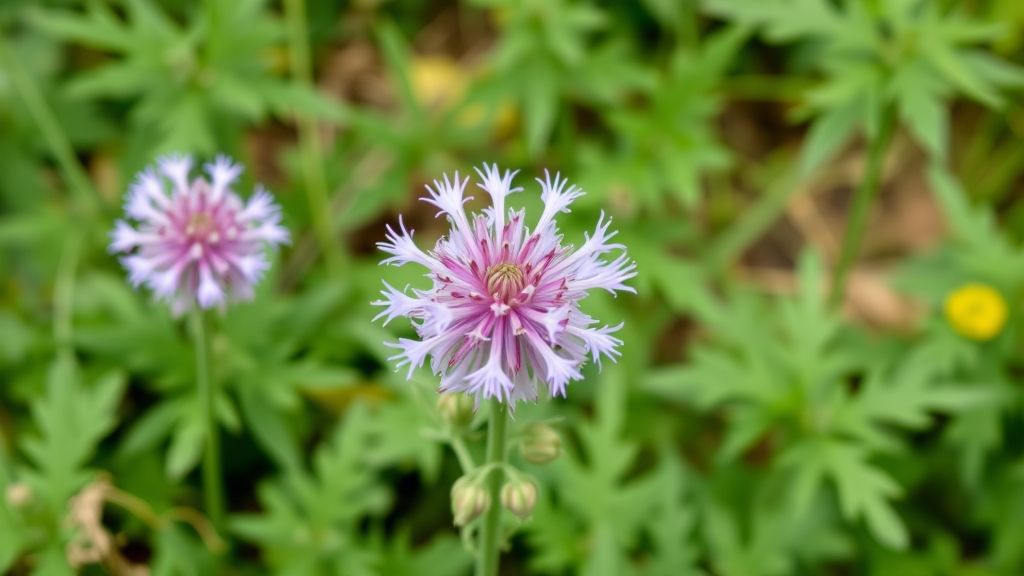
Eryngium, or sea holly, has striking blue or silver spiky flowers that add texture to any garden. I’ve paired these with native ornamental grasses like prairie dropseed (see my post at USA Garden Hub) for a dramatic effect. They’re tough and drought-tolerant.
- Growing Conditions: Full sun, well-drained soil.
- Size: 1–3 feet tall.
- Zones: 4–9.
- Tip from Ashley: Plant in lean soil to avoid flopping. They attract pollinators like crazy!
- Fun Fact: Sea holly’s metallic sheen makes it look almost otherworldly.
Related Resource: Dive into sea holly care at Purdue University’s Extension.
6. Epimedium (Epimedium spp.)
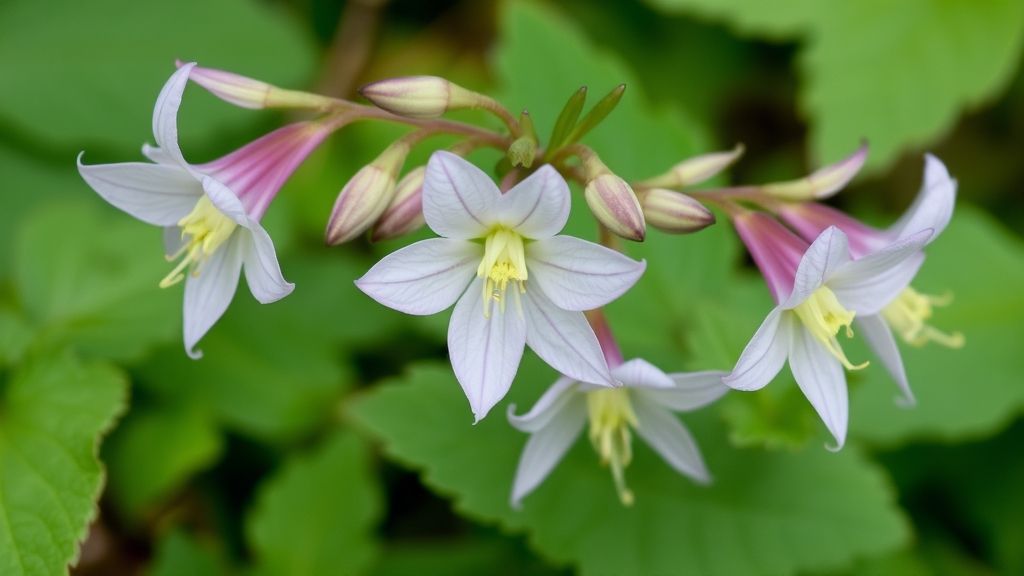
Epimedium, or barrenwort, is a shade-loving perennial with delicate, star-shaped flowers in yellow, pink, or white. I grow these under a tree in my yard, where they thrive with minimal care, much like propagating succulents in soil for easy gardening.
- Growing Conditions: Partial to full shade, well-drained soil.
- Size: 6–12 inches tall.
- Zones: 4–8.
- Tip from Ashley: Cut back old foliage in late winter for fresh spring growth. Great as ground cover.
- Fun Fact: Epimedium is nicknamed “fairy wings” for its dainty blooms.
7. Erysimum (Erysimum spp.)
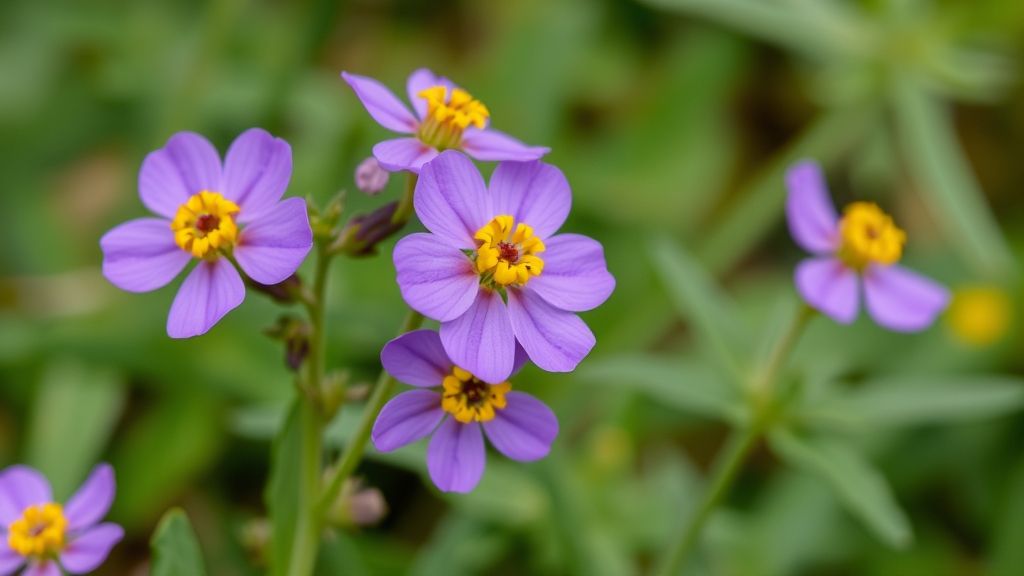
Erysimum, or wallflower, produces clusters of vibrant flowers in yellow, orange, purple, or pink. I’ve used these in borders for a pop of color, and their drought tolerance pairs well with succulent propagation projects. They bloom for weeks!
- Growing Conditions: Full sun, well-drained soil.
- Size: 1–2 feet tall.
- Zones: 6–9.
- Tip from Ashley: Shear after blooming to encourage a second flush. They love sunny spots.
- Fun Fact: Wallflowers are known for their sweet fragrance, perfect for garden paths.
8. Eschscholzia (Eschscholzia californica)
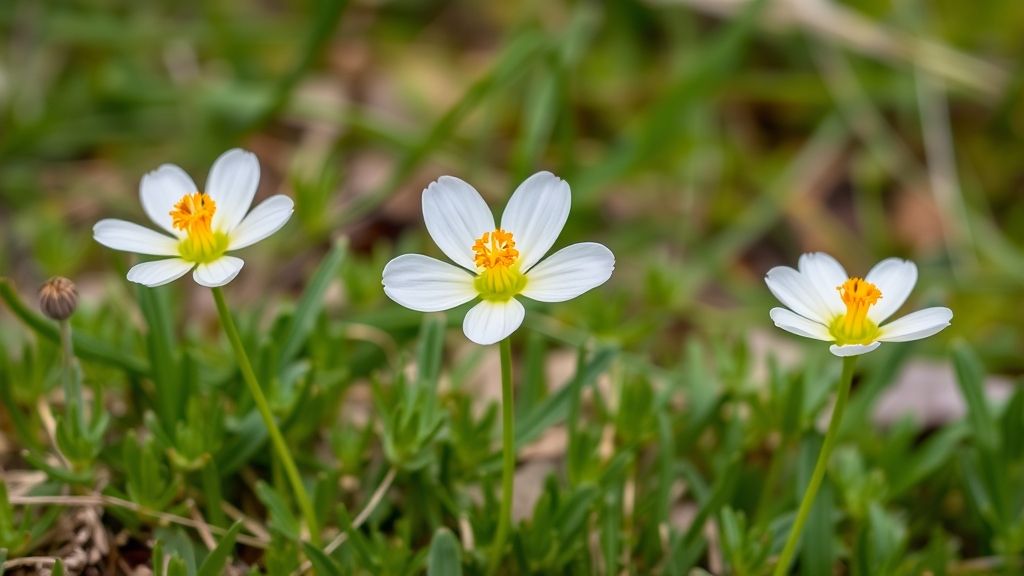
Eschscholzia, or California poppy, is a cheerful annual with bright orange, yellow, or red flowers. I grow these in my sunny borders, where they thrive with the same minimal care as succulent propagation timeline setups. They’re a California classic!
- Growing Conditions: Full sun, dry to medium soil.
- Size: 6–18 inches tall.
- Zones: 6–10 (annual elsewhere).
- Tip from Ashley: Let them self-seed for a natural look. Perfect for low-water gardens.
- Fun Fact: California poppies are the state flower of California.
Related Resource: Get tips on California poppies at Texas A&M AgriLife Extension.
Why Choose Flowers That Start with E?
These flowers that start with E bring a mix of colors, textures, and care levels to suit any USA garden. From the pollinator-friendly echinacea to the drought-tolerant eschscholzia, there’s something for every gardener. They also pair beautifully with native ornamental grasses or succulents (check out my upcoming succulent propagation guide at USA Garden Hub). Many attract bees and butterflies, boosting your garden’s ecosystem.
Quick Tips for Growing These Flowers
- Plan Your Layout: Use taller flowers like echinacea or evening primrose as focal points and shorter ones like epimedium or eschscholzia as ground covers.
- Match Your Zone: Check USDA zones to ensure success in your region.
- Pollinator Power: Echinacea, eryngium, and erysimum attract bees, perfect for pairing with bee-friendly plants.
- Low Maintenance: Combine with succulent propagation for a garden that’s easy to maintain.
Wrapping Up
From the vibrant echinacea to the delicate epimedium, flowers that start with E add beauty and versatility to your garden. As a gardener with 10 years of experience, I love how these blooms bring life to my yard, and I’m sure they’ll do the same for you. Got a favorite E flower or a gardening tip? Share it in the comments on my site, USA Garden Hub!