
Discover how to grow and harvest Ground Nut Tree (Apios americana) with our expert guide. Learn cultivation tips, traditional uses, and nutritional benefits of this native edible plant in 2024.
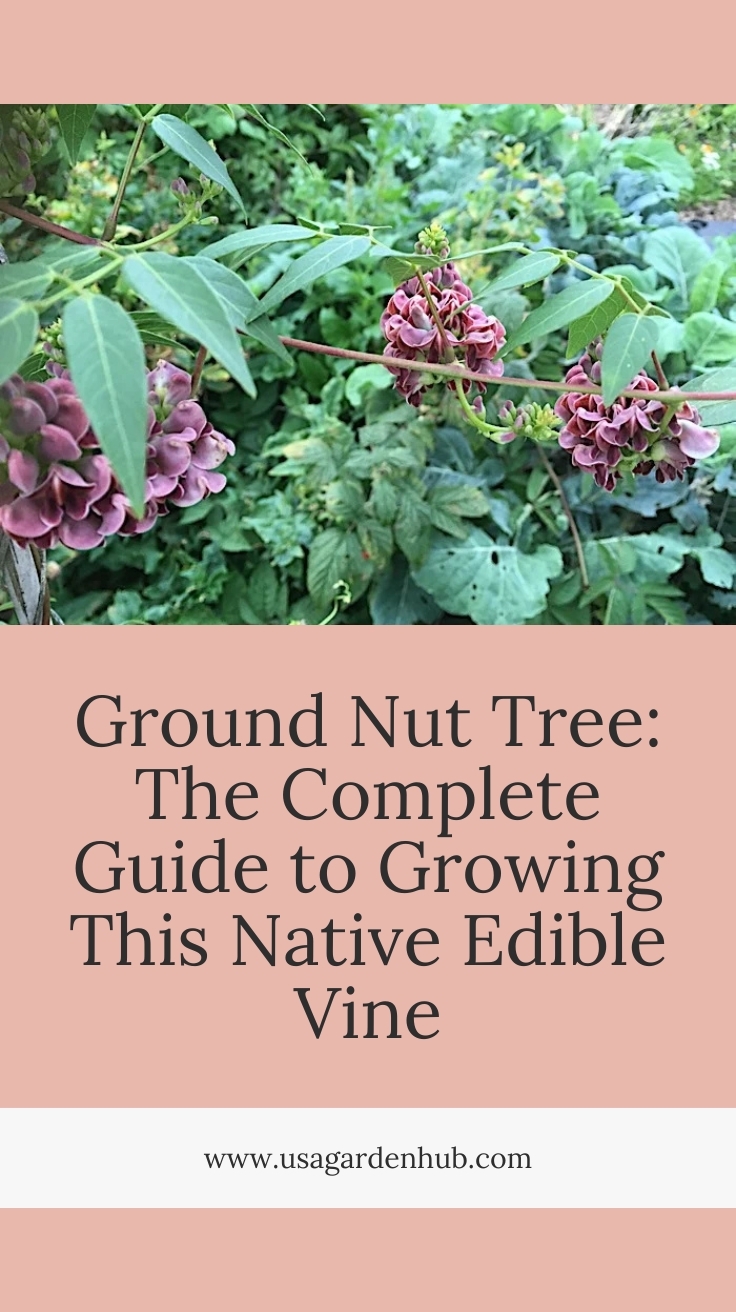
Ground Nut Tree (Apios americana), also known as American Ground Nut or Hopniss, is a remarkable climbing vine native to North America that produces edible tubers. This versatile perennial plant features beautiful purple-brown flowers and nutrient-rich tubers that have been a traditional food source for Native American communities for centuries. Despite its common name, it’s not actually a tree but a vigorous vine that can climb up to 20 feet tall.
Hello, I’m Ashley Scott, an ethnobotanist with 15 years of experience in native edible plants. Today, I’ll share my expertise on the fascinating Ground Nut Tree, a historically significant and nutritious plant that deserves more attention in modern gardens.
Understanding Ground Nut Tree
 wikipedia
Plant Characteristics
- Climbing vine growth habit
- Compound leaves with 5-7 leaflets
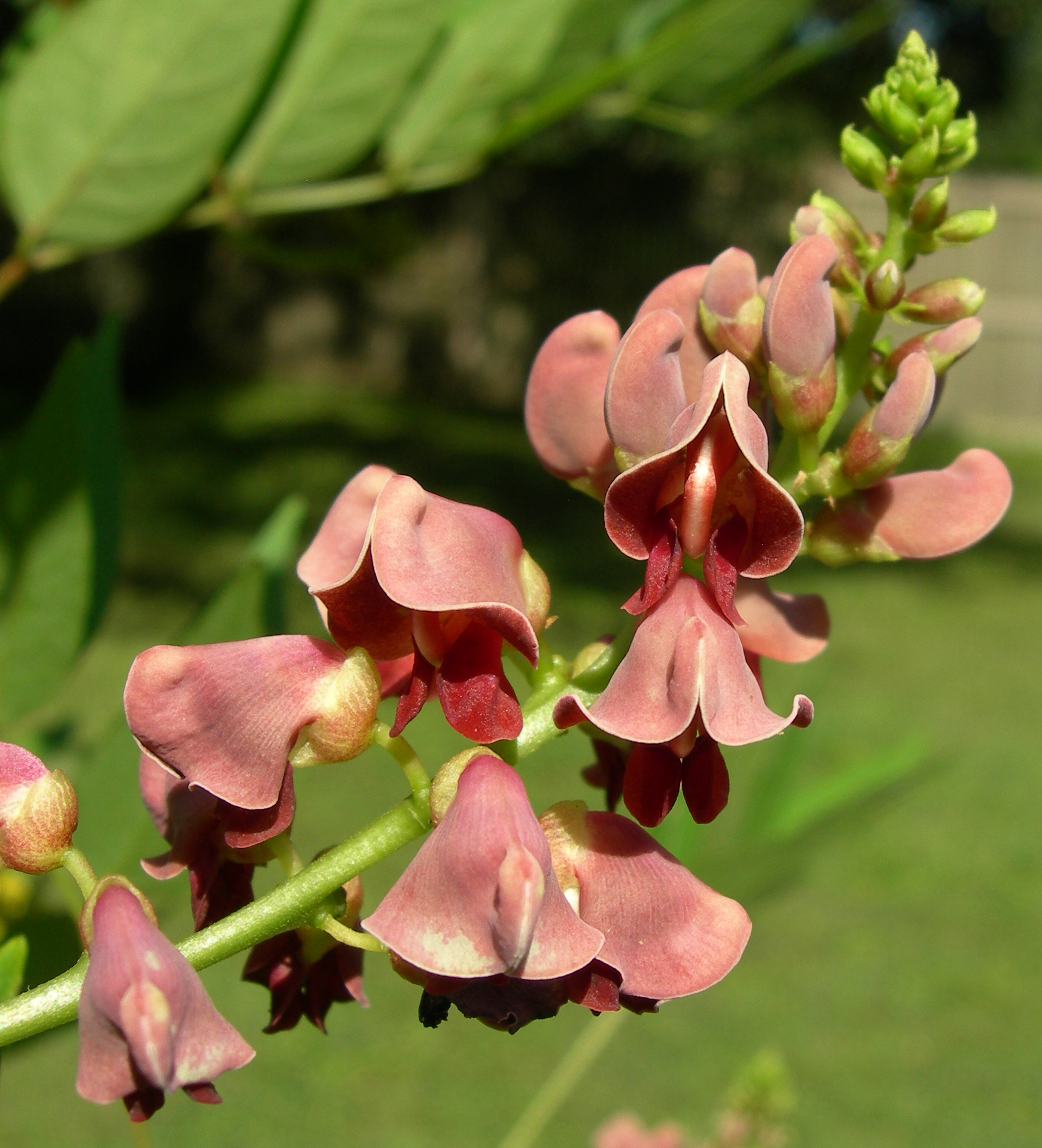
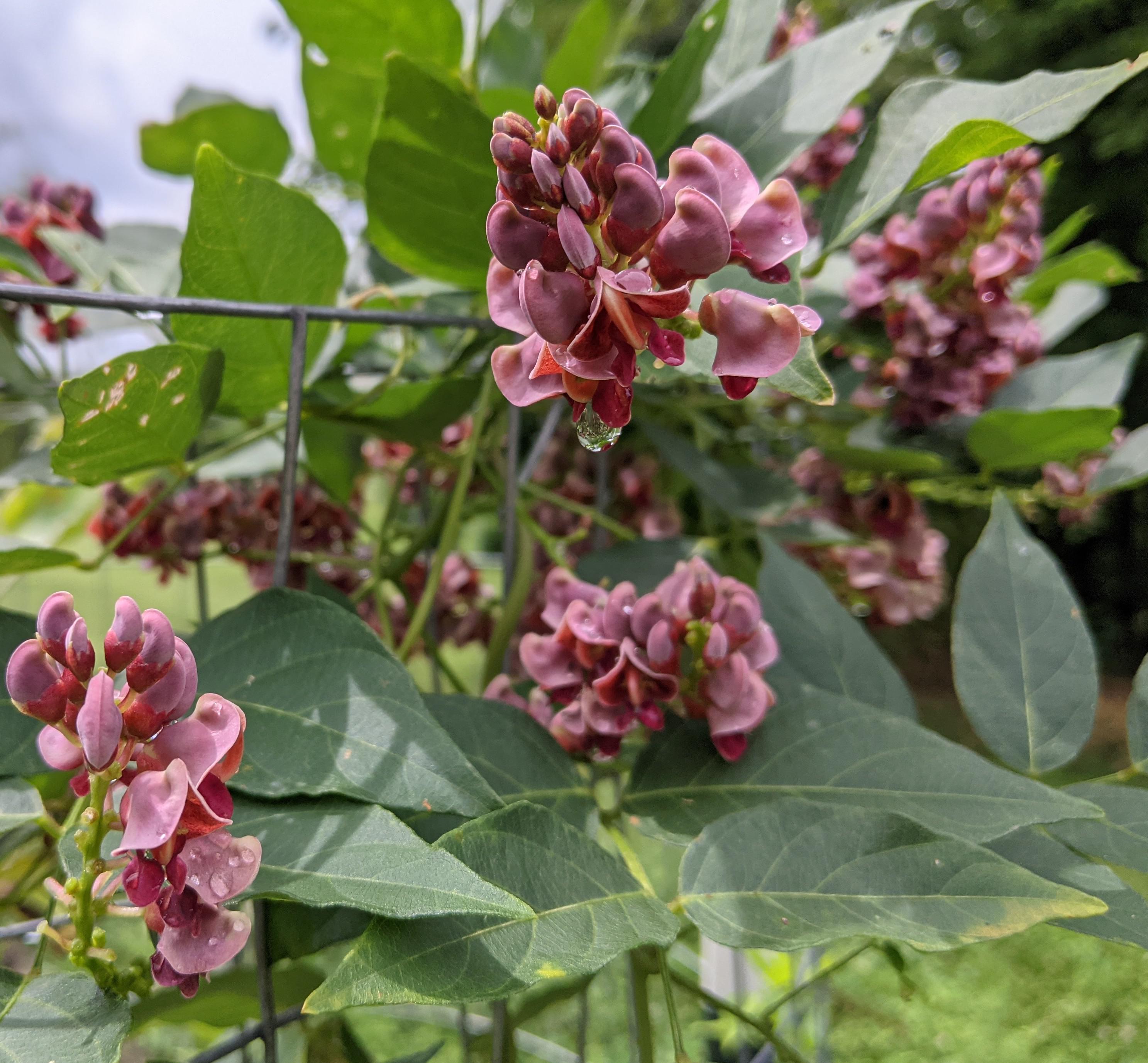
- Fragrant purple-brown flowers
- Edible underground tubers
- Native to Eastern North America
Historical Significance
- Native American Usage
Traditional food source
- Medicinal applications
- Cultural importance
- Colonial History
Survival food for early settlers
- Trade commodity
- Agricultural potential
Why Grow Ground Nut Tree in 2024?
- Sustainability
Perennial food source
- Drought resistant
- Low maintenance
- Nutritional Value
High in protein (3x potatoes)
- Rich in complex carbohydrates
- Essential minerals
- Dietary fiber
- Environmental Benefits
Native plant support
- Nitrogen fixing
- Wildlife habitat
- Soil stabilization
Growing Requirements
Climate
- USDA zones 3-9
- Full sun to partial shade
- Moderate moisture
- Humid conditions preferred
Soil Requirements
- Type
Well-draining loam
- Sandy soils
- Rich organic matter
- pH Level
6.0-7.5 optimal
- Slightly acidic to neutral
- Regular testing recommended
Support Structure
- Natural
Trees
- Shrubs
- Fences
- Artificial
Trellises
- Pergolas
- Wire systems
Planting Guide
When to Plant
- Spring: After last frost
- Fall: 6 weeks before first frost
- Soil temperature above 50°F
How to Plant
- Site Preparation
Clear area of weeds
- Loosen soil deeply
- Add organic matter
- Planting Process
Space tubers 4-6 inches deep
- 12-24 inches apart
- Water thoroughly
Care and Maintenance
Watering
- Regular moisture during establishment
- Drought tolerant once established
- Avoid waterlogged soil
Fertilization
- Organic Options
Compost
- Well-rotted manure
- Bone meal
- Chemical Options
Low-nitrogen fertilizer
- Balanced NPK ratio
- Spring application
Support Management
- Regular vine training
- Prune for control
- Monitor support stability
Harvesting
When to Harvest
- After 2-3 years growth
- Fall after frost
- Spring before growth
Harvesting Methods
- Tools Needed
Garden fork
- Spade
- Clean containers
- Process
Carefully dig around plant
- Follow tuber strings
- Clean and store properly
Storage and Usage
Storage Methods
- Fresh Storage
Cool, dark place
- 35-40°F
- High humidity
- Processing
Washing
- Drying
- Freezing
Culinary Uses
- Traditional Dishes
Roasted tubers
- Soups and stews
- Ground flour
- Modern Applications
Gluten-free alternative
- Protein supplement
- Gourmet preparations
Common Problems
Pests
- Underground
Voles
- Rabbits
- Wire worms
- Above Ground
Deer
- Japanese beetles
- Aphids
Diseases
- Root Issues
Fungal rot
- Bacterial infections
- Nematodes
- Foliage Problems
Powdery mildew
- Leaf spot
- Viral infections
Modern Growing Innovations
/sending-condolence-flowers-in-miramar-florida/
Technology Integration
- Monitoring Systems
Soil moisture sensors
- Climate tracking
- Growth documentation
- Support Systems
Modern trellis designs
- Vertical farming adaptation
- Container solutions
Sustainable Practices
- Companion Planting
Beneficial combinations
- Space optimization
- Pest management
- Resource Conservation
Water management
- Soil preservation
- Biodiversity support
Economic Potential
Market Opportunities
- Local Food Markets
Farmers markets
- Specialty stores
- Restaurant supply
- Value-Added Products
Flour production
- Protein supplements
- Educational programs
Future Prospects
/philodendron-spiritus-sancti/
Research Areas
- Cultivation Improvement
Yield enhancement
- Disease resistance
- Climate adaptation
- Product Development
Food innovations
- Medicinal applications
- Industrial uses
The Ground Nut Tree represents an exciting opportunity for sustainable food production and ecological gardening. Its historical significance, nutritional value, and adaptability make it an excellent choice for modern gardens and food systems. By following proper growing techniques and embracing innovative practices, you can successfully cultivate this valuable native plant.
FAQs
- How long until harvest?
2-3 years for optimal tuber development
- Can it be grown in containers?
Yes, with proper support and depth
- Is it invasive?
Native to North America, but can spread vigorously
- Are all parts edible?
Only tubers are commonly eaten
- Can it fix nitrogen?
Yes, it’s a legume that fixes nitrogen
For more gardening tips and plant care guides, visit usagardenhub.com
/calathea-rufibarba/