
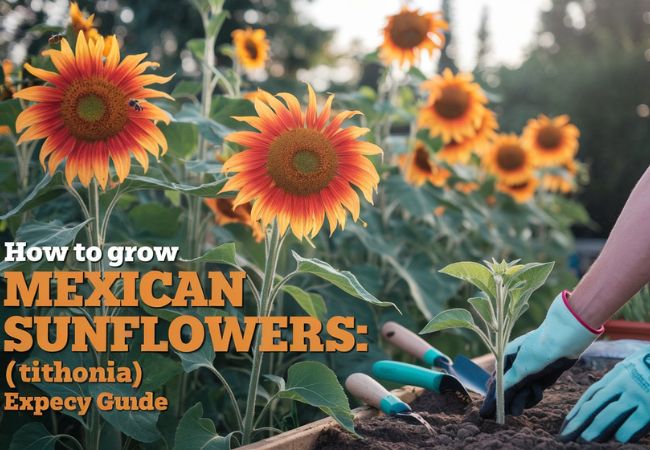
Master growing vibrant Mexican Sunflower (Tithonia) with expert guidance on planting, care and maintenance. Learn why these stunning, butterfly-attracting annuals are a must-have for your garden.
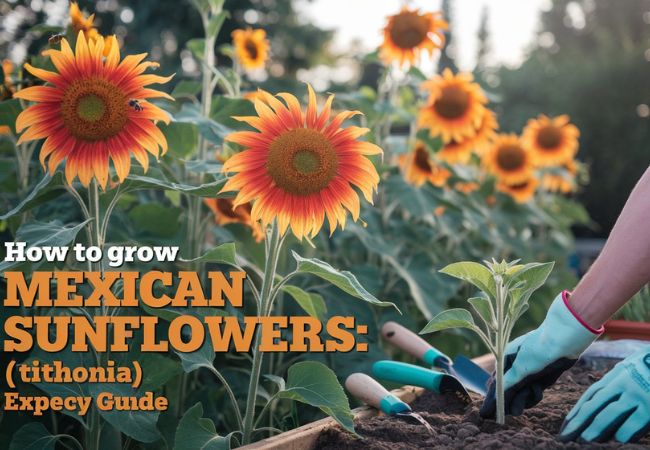
Mexican Sunflower (Tithonia rotundifolia) is a striking, fast-growing annual that produces vibrant orange-red blooms from summer until frost. These tall, dramatic plants reach heights of 4-6 feet, attract countless pollinators, and make excellent cut flowers. They thrive in full sun are drought-tolerant once established, and add a tropical feel to any garden.
As a passionate flower grower who’s been cultivating Mexican Sunflowers for over a decade, I’m thrilled to share my firsthand experience and tips for success with these magnificent plants.
Quick Facts About Mexican Sunflower
- Scientific Name: Tithonia rotundifolia
- Plant Type: Annual flower
- Height: 4-6 feet (some varieties up to 8 feet)
- Spread: 2-3 feet
- Bloom Time: Mid-summer to first frost
- USDA Hardiness Zones: 2-11 as an annual (Check your zone on the USDA Plant Hardiness Zone Map)
Why Grow Mexican Sunflowers?
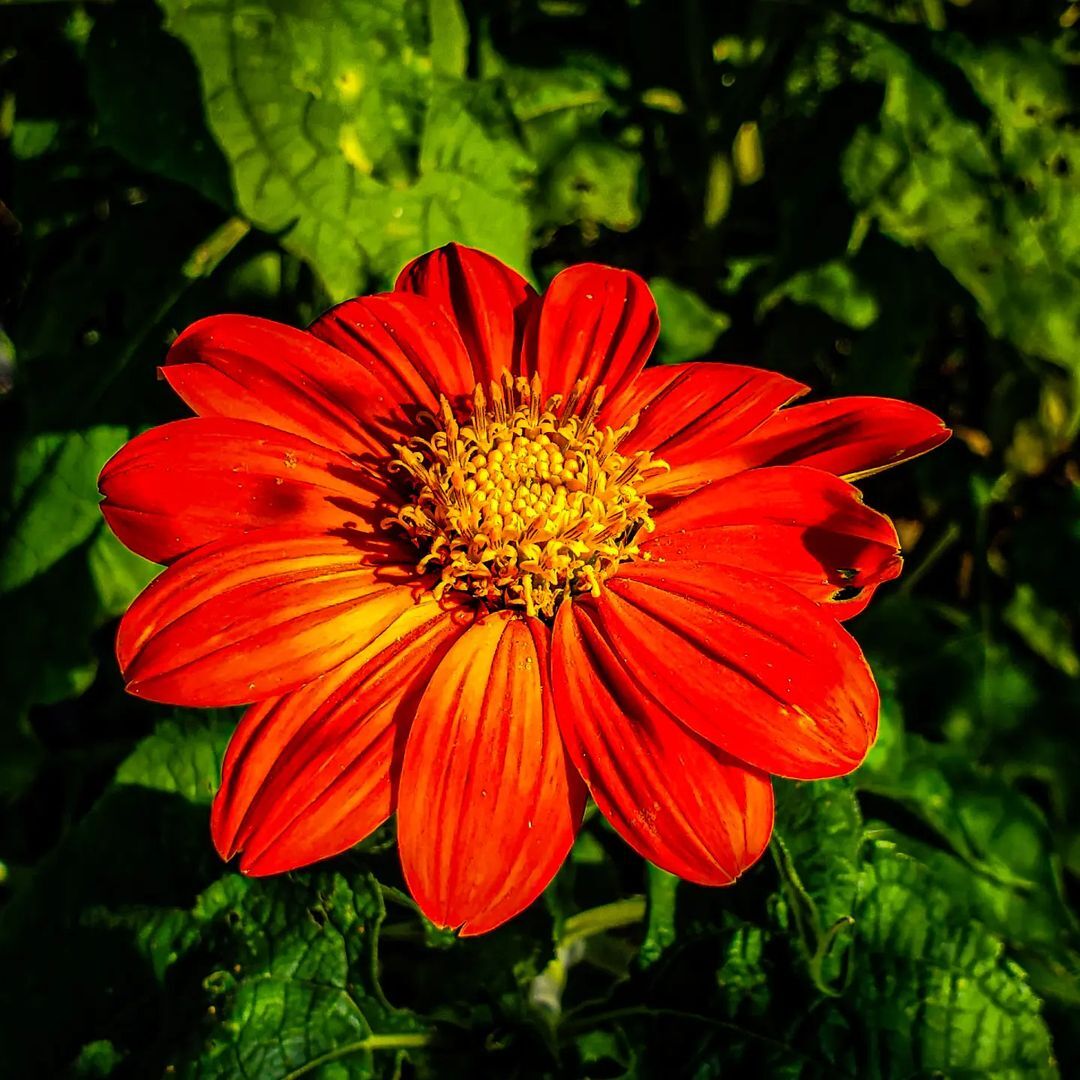
These stunning plants offer multiple benefits:
- Attract butterflies, bees, and hummingbirds
- Drought-tolerant once established
- Excellent cut flowers with long vase life
- No serious pest or disease problems
- Perfect for creating privacy screens or backdrop plantings
Planting Mexican Sunflowers
Starting from Seeds
- Direct Sowing:
Wait until soil temperature reaches 70°F (21°C)
- Plant seeds 1/4 inch deep
- Space 2-3 feet apart
- Germination occurs in 7-14 days
- Starting Indoors:
Begin 6-8 weeks before last frost
- Use biodegradable pots to minimize transplant shock
- Provide bottom heat for better germination
- The National Garden Bureau recommends hardening off seedlings before transplanting
Site Selection
- Sun Requirements: Full sun (6-8 hours minimum)
- Soil Type: Well-draining, average fertility
- Soil pH: 6.0-7.5
- Location: Protected from strong winds
- Consider mature size when placing near other plants
Care and Maintenance
Watering
- Water regularly until established
- Once established, drought-tolerant
- Pro tip: Apply mulch to retain moisture and suppress weeds
- For region-specific watering advice, consult your local Cooperative Extension Office
Fertilizing
- Light feeders - avoid excessive fertilization
- Best practice: Apply balanced, slow-release fertilizer at planting
- Side-dress with compost mid-season if needed
- The American Horticultural Society suggests avoiding high-nitrogen fertilizers
Support and Pruning
- Staking:
May need support in windy areas
- Use bamboo stakes or Florida Weave method
- Pruning:
Pinch when young to encourage branching
- Remove damaged or diseased foliage
- Deadhead to promote continuous blooming
Common Challenges and Solutions
Potential Issues
- Leaf Spots:
Ensure good air circulation
- Avoid overhead watering
- Remove affected leaves
- Powdery Mildew:
Plant in full sun
- Space properly for airflow
- Consider resistant varieties
For organic pest control methods, visit Beyond Pesticides.
Harvesting and Using
For Cut Flowers
- Harvest when flowers are fully open
- Cut early morning or evening
- Strip lower leaves
- Place immediately in clean water
- Vase life: 5-7 days
Seed Saving
- Allow some blooms to mature fully
- Collect seeds when heads turn brown and dry
- Store in paper envelope in cool, dry place
- Seed Savers Exchange offers detailed seed-saving tutorials
Popular Varieties
- ‘Torch’: Classic orange, 4-6 feet tall
- ‘Yellow Torch’: Rare yellow variety
- ‘Goldfinger’: Compact, 3 feet tall
- ‘Red Torch’: Deep red-orange blooms
Companion Planting
Mexican Sunflowers pair beautifully with:
- Zinnias
- Cosmos
- Salvias
- Cleome
For companion planting strategies, check Sustainable Agriculture Research & Education.
Garden Design Tips
- Use as backdrop in butterfly gardens
- Plant to create seasonal privacy screens
- Mix with other tall annuals for cutting gardens
- The Pollinator Partnership recommends including them in pollinator-friendly designs
End-of-Season Care
- Pull plants after frost
- Compost disease-free plant material
- Save seeds for next season
- Consider leaving some stalks for winter interest and bird habitat
As an experienced grower, I can’t stress enough how rewarding Mexican Sunflowers are to grow. Their vibrant blooms, pollinator-attracting abilities, and easy care make them a standout choice for any garden. Don’t be intimidated by their height - embrace it and let these magnificent plants transform your garden into a butterfly haven!
For more gardening tips and plant care guides, visit usagardenhub.com.