
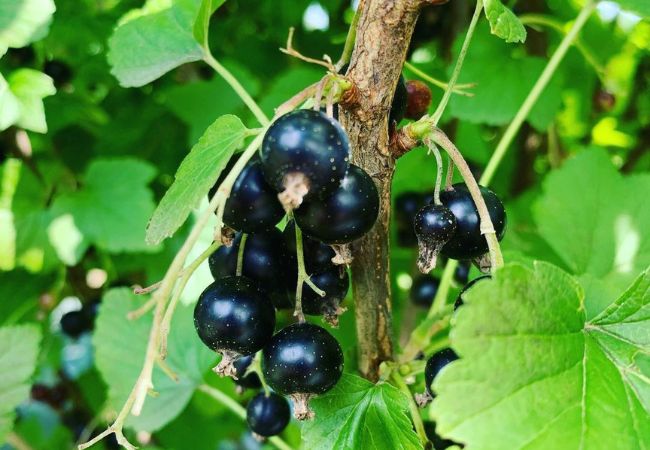
Master the art of harvesting cassis fruit at its peak ripeness. Our expert guide reveals the ideal time and techniques for picking these delicious berries. Maximize flavor and yield with our proven tips.
Cassis fruit, also known as black currants, are small, tart berries packed with flavor and nutrients. Knowing when and how to harvest these berries is crucial for getting the best taste and highest yield. In this guide, we’ll share expert tips on perfectly timing your cassis harvest.
Here’s a concise and verified chart for Cassis fruit:
CategoryDetailsBotanical NameRibes nigrumCommon NameBlack CurrantPlant NameBlack CurrantUSDA Hardiness Zone3-7Sun ExposureFull Sun to Partial ShadeSoil TypeWell-drained, loamy soil; pH 5.5 to 7.0WateringRegular watering; keep soil consistently moist, but not waterloggedGrowth HabitDeciduous shrub; upright and bushyHeight/Spread3-5 feet tall; 3-4 feet wideSpecial FeaturesHigh in vitamin C and antioxidants; attracts pollinators; can be used in jams, jellies, and desserts
Understanding Cassis Fruit
Before we dive into harvesting techniques, let’s briefly discuss what cassis fruit is:
- Scientific name: Ribes nigrum
- Native to: Northern Europe and Asia
- Flavor profile: Tart, slightly sweet, with a distinctive aroma
- Nutritional benefits: High in vitamin C, antioxidants, and other nutrients
When to Harvest Cassis Fruit
Timing is everything when it comes to harvesting cassis. Here’s how to know when your berries are ready:
1. Color Change
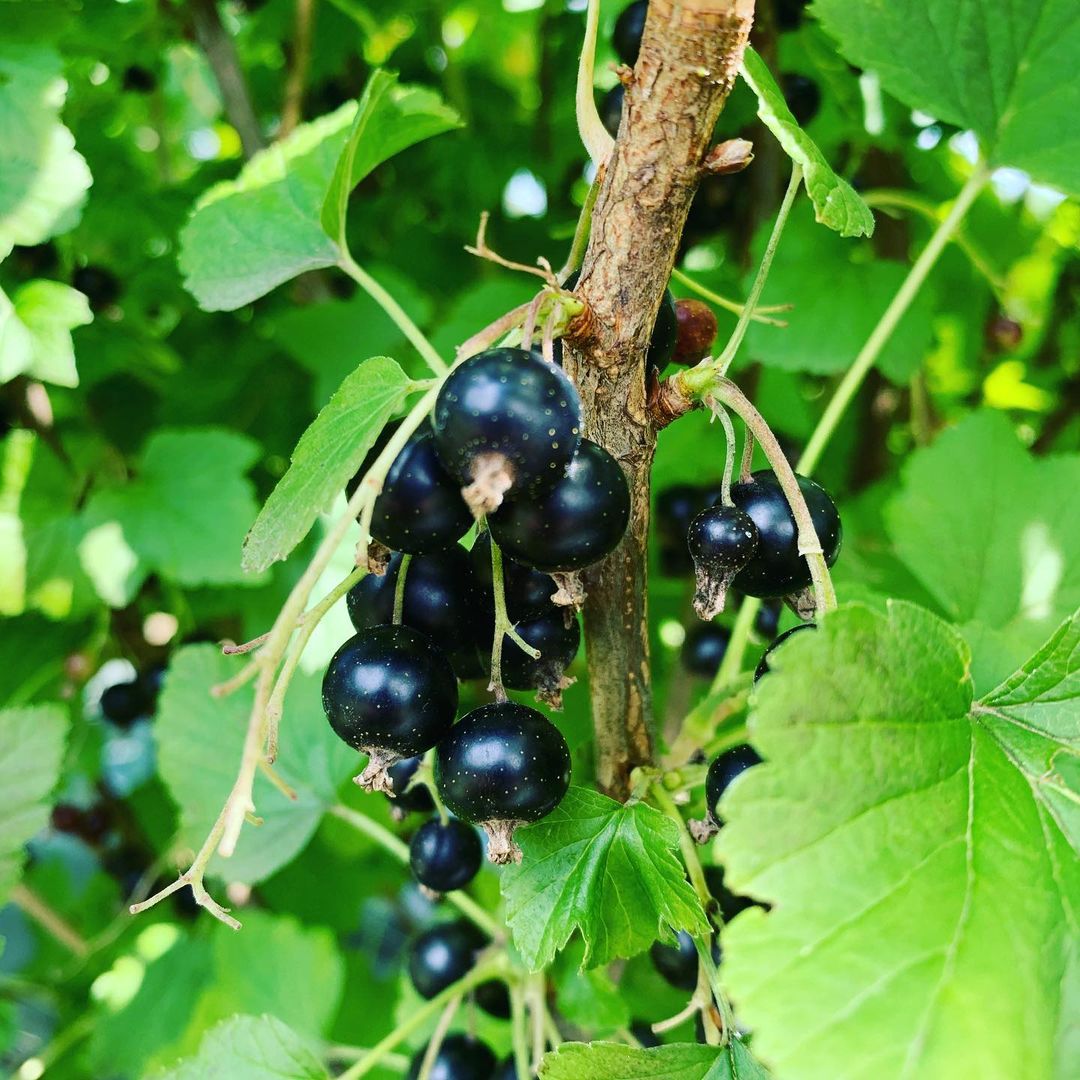
- Look for berries that have turned a deep purple-black color
- Unripe berries will be red or pink
2. Texture
- Ripe cassis berries should be firm but slightly soft when gently squeezed
- Overripe berries will be very soft or mushy
3. Taste Test
- Sample a few berries from different parts of the bush
- Ripe cassis should have a balance of tartness and sweetness
4. Time of Year
- In most regions, cassis ripens in mid to late summer
- Exact timing can vary depending on your climate and the specific variety
How to Harvest Cassis Fruit
Once you’ve determined that your cassis is ripe, follow these steps for a successful harvest:
- Gather Your Tools
Clean picking containers (buckets or baskets)
- Pruning shears (optional)
- Gloves (to prevent stained hands)
- Choose the Right Time of Day
- Berries will be cool and firm
- Pick Individual Berries or Strigs
Gently pull ripe berries off the stem
- Or, cut entire strigs (clusters) if processing immediately
- Handle with Care
Cassis berries are delicate
- Avoid crushing or bruising them during picking
- Sort as You Go
Remove any damaged or unripe berries
- This saves time later and prevents spoilage
Tips for Maximizing Your Cassis Harvest
Follow these expert tips to get the most from your cassis bushes:
- Harvest Regularly
Check your bushes every few days during ripening season
- This ensures you catch all berries at peak ripeness
- Don’t Rush
Not all berries will ripen at the same time
- Be patient and pick over several weeks
- Use Both Hands
One hand to hold the strig, one to pick
- This method is gentle and efficient
- Keep Harvested Berries Cool
Process or refrigerate berries soon after picking
- This maintains freshness and flavor
- Prune After Harvest
Remove old or damaged branches
- This promotes better growth and yield next season
Common Harvesting Mistakes to Avoid
Be aware of these pitfalls that can affect your cassis harvest:
- Picking Too Early
Unripe berries won’t continue to ripen off the bush
- They’ll lack flavor and sweetness
- Waiting Too Long
Overripe berries can fall off or attract pests
- They may develop an off-flavor
- Rough Handling
Cassis berries bruise easily
- Handle gently to preserve quality
- Ignoring Weather Conditions
Heavy rain can dilute flavor
- Try to harvest during dry weather if possible
- Forgetting to Clean Tools
Always use clean containers and tools
- This prevents the spread of disease
Storing and Using Your Harvested Cassis
After harvesting, you have several options for your cassis fruit:
- Fresh Eating
Cassis can be eaten fresh, though they’re quite tart
- Add to yogurt, cereal, or salads
- Refrigeration
Store unwashed berries in the fridge for up to a week
- Wash just before using
- Freezing
Freeze on a tray, then transfer to freezer bags
- Great for smoothies or baking
- Making Preserves
Cassis makes excellent jam, jelly, or syrup
- The high pectin content helps set preserves naturally
- Juicing
Cassis juice is popular in Europe
- Mix with other juices or use in cocktails
Mastering the art of harvesting cassis fruit takes practice and patience, but the rewards are well worth it. By timing your harvest correctly and using proper techniques, you’ll enjoy the fullest flavor and highest yield from your cassis bushes.
Remember, the key to perfect cassis is harvesting at peak ripeness. Pay attention to color, texture, and taste, and don’t be afraid to harvest over several weeks. With these tips, you’ll be well on your way to becoming a cassis harvesting pro.
Whether you’re planning to eat your cassis fresh, make preserves, or create delicious drinks, proper harvesting is the first step to enjoying these nutritious and flavorful berries. Happy harvesting!
For more gardening tips and plant care guides, visit usagardenhub.com