
Learn how to grow Haskap berries with simple tips from Ashley Scott, a 10-year pro. Hardy, early-fruiting shrubs for USA gardens!
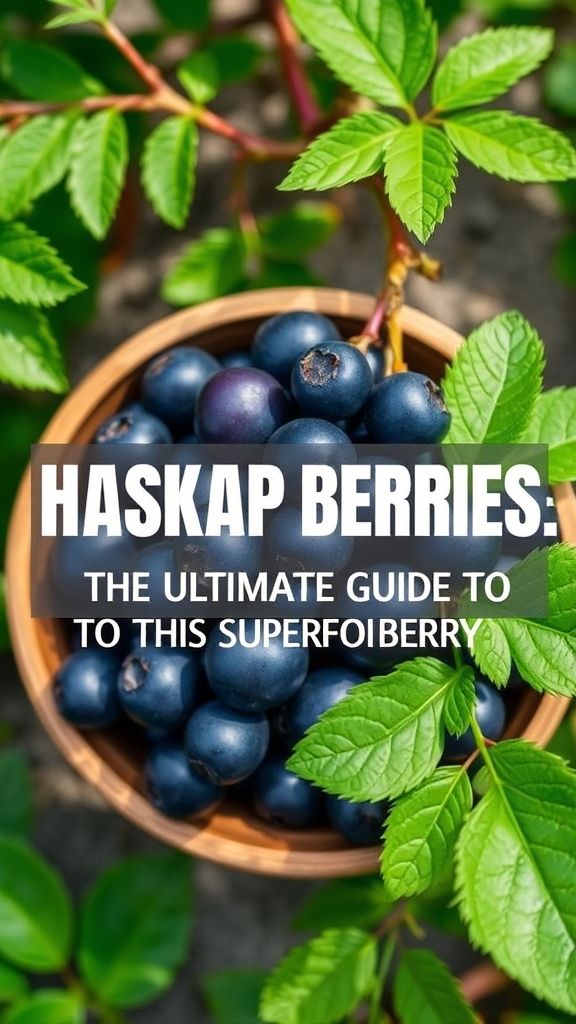
Haskap berries are a fantastic choice for USA gardeners due to their extreme cold hardiness (down to Zone 2), low maintenance, and early fruit production—up to 6-10 lbs per mature bush. These compact shrubs, growing 4-7 feet tall and wide, thrive in various soils, including wet or high-pH ones, and attract bees, making them a great fit with my 8 blooming plants that bees love. They’re ideal for urban yards, hedges, or containers, and their pest-resistant, deer-proof nature makes them easier than blueberries. Plus, their early harvest and health benefits make them a standout edible for any garden.
Growing Tips for Haskap Berries
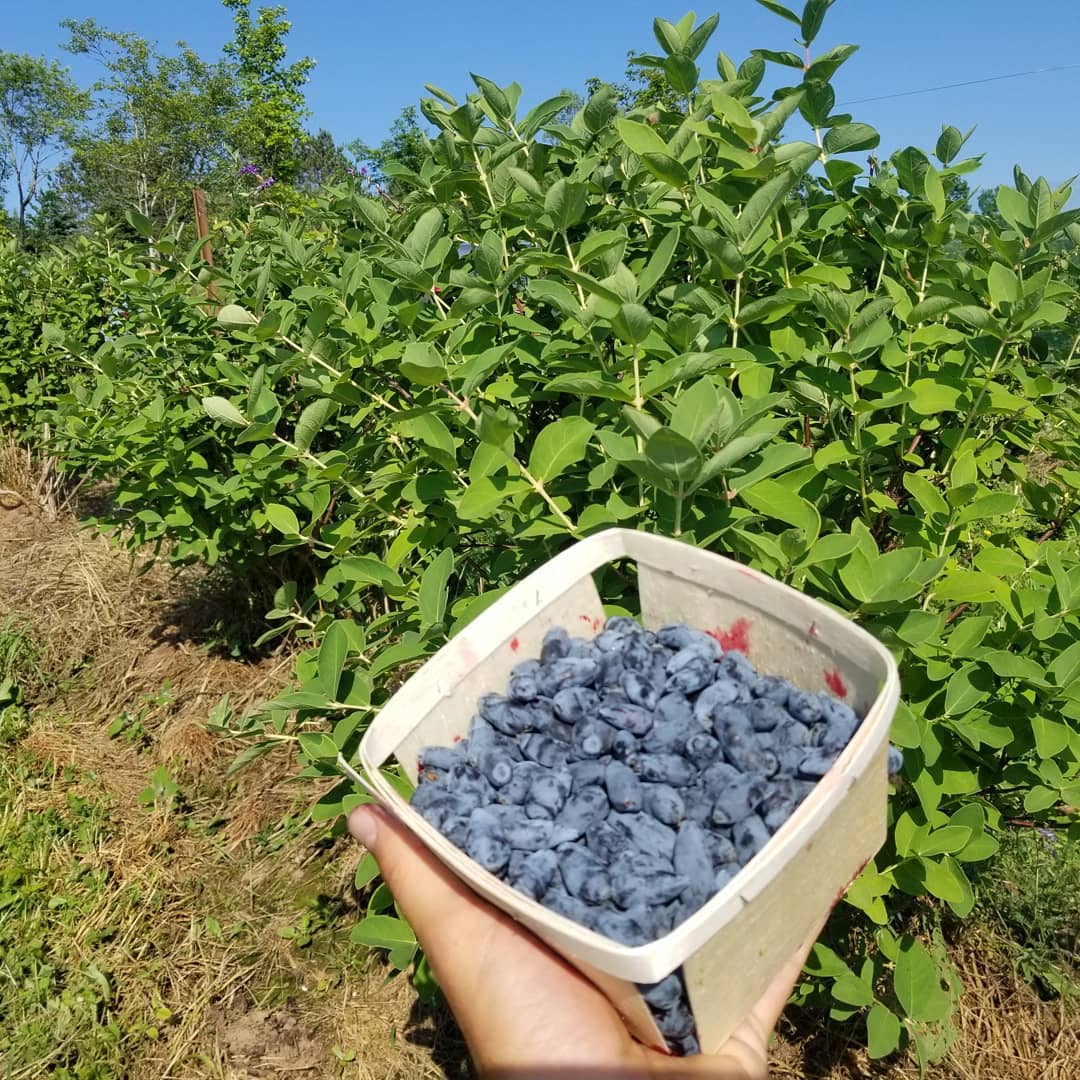
Here’s how to grow Haskap berries successfully, based on my trials in a Zone 7 garden—they’re super forgiving for beginners!
Light
Haskaps need full sun with at least 6 hours of direct light daily for optimal fruit production and flavor. They can handle partial shade but may produce fewer berries.
- My Tip: My bushes in a sunny spot by the fence yield tons of berries—avoid late afternoon sun in hot climates to prevent fruit sunscald.
- City Tip: Perfect for balcony containers; pair with native ornamental grasses for wind protection.
Water
Keep soil consistently moist, especially in the first year—about 1 inch of water per week. They tolerate wet soils but dislike waterlogging; mulch helps retain moisture.
- My Tip: I water deeply once a week in summer, letting the top inch dry slightly. Overwatering caused yellow leaves once, so I now use a rain barrel system.
- Fun Fact: Their wet-soil tolerance makes them less fussy than Dalmatian Bellflower in rainy areas.
Soil and Planting
Haskaps prefer well-drained, loamy soil with a pH of 5.5-7.7, handling higher pH better than blueberries. Plant in early spring or fall, spacing 3-5 feet apart in holes twice as wide as the root ball. Add organic matter like compost for best results.
- My Tip: I enrich planting holes with compost from my DIY compost bin—it boosts roots and fruit yield.
- City Tip: Use 5+ gallon pots with drainage for urban gardens; their compact size prevents spreading.
Temperature and Humidity
Haskaps are incredibly cold-hardy (Zones 2-7), surviving -40°F winters and thriving in mild summers (60-80°F). They handle average humidity well; mulch roots in colder zones for extra protection.
- My Tip: In my Zone 7 garden, I don’t need extra winter care, but I mulch potted plants with straw to insulate—early spring blooms follow!
- Fun Fact: They’re tougher than Nerine flowers in frost, with yellow tubular flowers in April-May that draw early pollinators.
Fertilizer
Apply a balanced, slow-release fertilizer (10-10-10) in early spring. Avoid excess nitrogen to prevent weak, leafy growth over fruit.
- My Tip: I fertilize once a year with compost tea—it keeps berries sweet without overfeeding.
Pruning and Maintenance
Prune in late winter or early spring, removing 10-15% of older branches to encourage new fruiting wood. Thin crowded areas for better airflow.
- My Tip: Light pruning before buds swell keeps my bushes tidy and productive—use clean shears to avoid disease.
- City Tip: Prune container plants yearly to maintain a neat size.
Propagation: Grow More Haskap Berries
Haskaps are easy to propagate by division or cuttings, similar to succulent propagation from stem.
- Division: In early spring, dig up mature bushes, split roots, and replant—expect fruit in 1-2 years.
- Cuttings: Take 4-6 inch softwood cuttings in summer, root in moist soil under mist.
- Seeds: Sow fresh seeds in fall (no pretreatment needed), but hybrids may not breed true.
- My Tip: Division gave me new plants fast—plant two varieties like ‘Tundra’ and ‘Borealis’ for cross-pollination!
Common Problems and Fixes
- Birds: Net bushes in late May to protect ripening fruit—birds can’t resist them!
- Powdery Mildew: Rare, but improve airflow or use fungicide if spotted.
- My Story: Birds nabbed half my first crop—netting now saves my berries for homemade jams!
Why Haskap Berries Shine in Your Garden
Haskap berries are a dream for USA gardens, especially in cooler Zones 2-7, offering early harvests and nutrition-packed fruit. Their tidy shrubs fit hedges, edible landscapes, or pots, and berries freeze well for year-round use. Pair them with Dalmatian Bellflower for ground cover or spooky plants for fall interest. For more berry-growing tips, check USDA Forest Service.
Wrapping Up
Haskap berries bring early, tangy joy to any garden, from northern farms to city patios. My bushes are a summer highlight, yielding delicious berries for smoothies and pies. Whether you’re a beginner or a seasoned gardener, Haskaps are easy and rewarding. What’s your favorite Haskap recipe? Share in the comments on USA Garden Hub!