
Master the art of growing holly leaf plants with our comprehensive 2024 guide. Learn expert tips on planting, care, pruning, and maintenance for these classic evergreen shrubs.
Holly leaf plants, with their distinctive glossy, spiky foliage and bright red berries, are iconic symbols of winter greenery. These evergreen plants feature sharp-pointed, leathery leaves in deep green shades, creating year-round interest in gardens and landscapes while providing essential habitat for wildlife.
Hello, I’m Ashley Scott, a horticultural expert with 15 years of experience in ornamental plant cultivation. Today, I’ll share my expertise on holly leaf plants, their varieties, and how to successfully grow these magnificent evergreens.
Here’s a detailed chart for Holly Leaf Plants:
CategoryInformationBotanical NameIlex speciesCommon NameHollyPlant TypeEvergreen or Deciduous Shrub/TreeHardiness ZoneUSDA Zones 5–9 (varies by species)Sun ExposureFull sun to partial shadeSoil TypeMoist, well-draining, slightly acidic soilWateringModerate; water regularly, especially in dry periodsGrowth HabitUpright, spreadingHeight/Spread6–50 feet tall, 5–25 feet wide (depends on species)Special FeaturesGlossy, spiny leaves; bright red berries (on female plants); wildlife-friendly; deer-resistant
Understanding Holly Leaf Plants
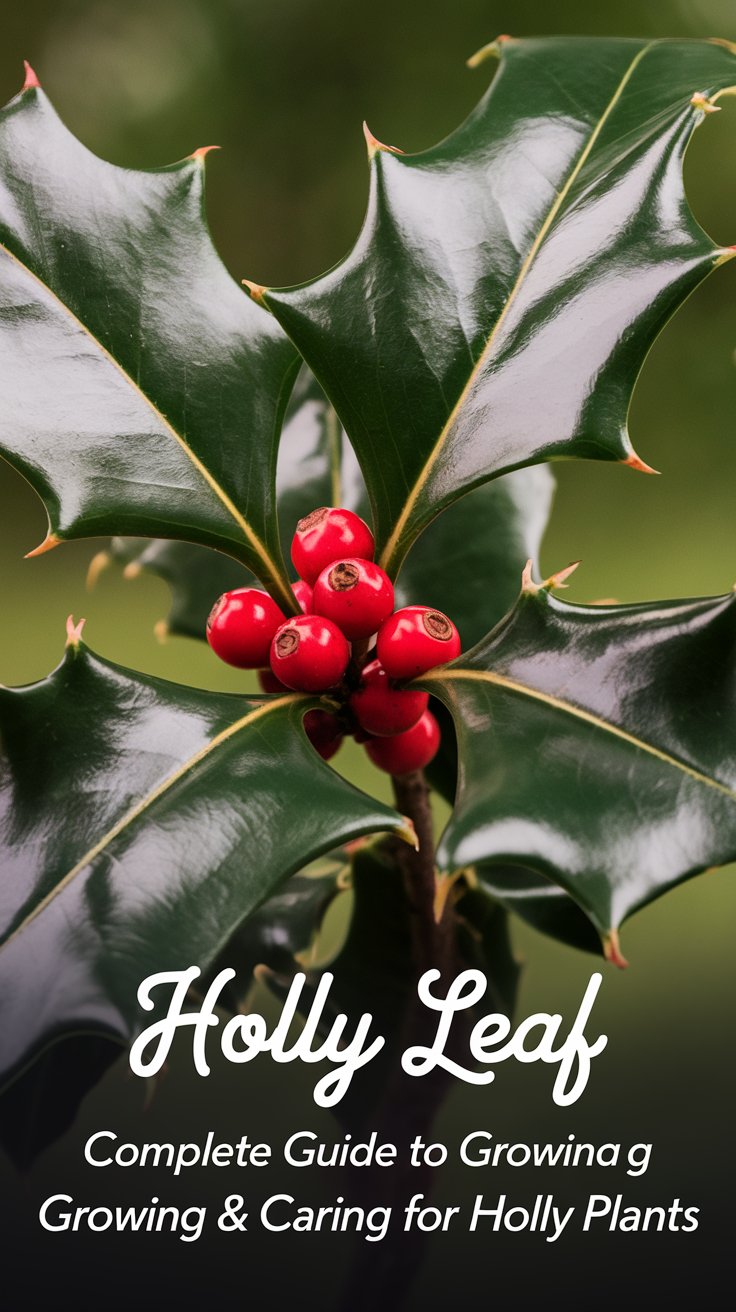
Characteristics
- Evergreen foliage
- Glossy, spined leaves
- Distinctive berries
- Dense growth habit
- Long lifespan (50+ years)
Popular Holly Varieties
- English Holly (Ilex aquifolium)
Classic spiny leaves
- Dark green foliage
- Red berries
- Height: 15-50 feet
- American Holly (Ilex opaca)
Dull green leaves
- Smaller berries
- Native to Eastern USA
- Height: 15-30 feet
- Chinese Holly (Ilex cornuta)
Rectangular leaves
- Large berries
- Drought tolerant
- Height: 8-10 feet
Growing Holly Leaf Plants
Light Requirements
- Full sun to partial shade
- Minimum 4 hours direct sunlight
- Protection from afternoon sun in hot climates
Soil Preferences
- Well-draining soil
- pH 5.0-6.0 (acidic)
- Rich in organic matter
- Consistent moisture
Temperature and Climate
- USDA zones 5-9
- Tolerates cold winters
- Protection from harsh winds
- Adaptable to various climates
/white-dragon-fruit/
Planting Guide
Best Time to Plant
- Early spring
- Early fall
- Avoid summer heat
- Allow establishment before winter
Planting Process
- Site Selection
Consider mature size
- Male and female proximity
- Soil drainage
- Hole Preparation
Dig 2x width of root ball
- Same depth as container
- Amend soil as needed
- Planting Steps
Remove from container
- Loosen root ball
- Position at proper height
- Backfill and water
/growing-pawpaw-trees-from-fresh-seeds/
Maintenance and Care
Watering Schedule
- Weekly deep watering
- More frequent in hot weather
- Reduce in winter
- Monitor soil moisture
Fertilization
- Spring Feeding
Acid-loving plant food
- Slow-release formula
- Apply after last frost
- Summer Feeding
Light feeding if needed
- Focus on root growth
- Avoid late-season fertilizer
Pruning Techniques
- Maintenance Pruning
Remove dead branches
- Shape in early spring
- Thin out dense areas
- Decorative Pruning
Create formal shapes
- Maintain hedges
- Best done in late winter
/reliance-peach/
Innovative Growing Techniques for 2024
Smart Irrigation
- Moisture sensors
- Automated watering systems
- Weather-based adjustments
Sustainable Practices
- Rain collection
- Organic fertilizers
- Native companion planting
Modern Design Applications
- Living Fences
Privacy screens
- Security barriers
- Wildlife habitat
- Topiary Art
Geometric shapes
- Traditional forms
- Modern sculptures
Common Problems and Solutions
Pests
- Holly Leaf Miners
Identification: Tunneling in leaves
- Treatment: Systemic insecticides
- Prevention: Regular monitoring
- Scale Insects
Identification: Small bumps on stems
- Treatment: Horticultural oil
- Prevention: Healthy plant maintenance
Diseases
- Leaf Spot
Cause: Fungal infection
- Treatment: Fungicides
- Prevention: Air circulation
- Root Rot
Cause: Poor drainage
- Treatment: Improve soil conditions
- Prevention: Proper watering
Seasonal Care Calendar
Spring
- Begin fertilization
- Prune as needed
- Check for winter damage
Summer
- Monitor water needs
- Watch for pests
- Light pruning if needed
Fall
- Reduce watering
- Stop fertilizing
- Clean up fallen leaves
Winter
- Protect from harsh winds
- Minimal watering
- Enjoy berries and foliage
Landscape Uses
Garden Design
- Focal points
- Hedges and screens
- Foundation plantings
Wildlife Benefits
- Bird habitat
- Winter food source
- Pollinator attraction
Cultural Significance
Historical Uses
- Traditional decoration
- Medicinal applications
- Religious symbolism
Modern Applications
- Holiday Decorating
Wreaths
- Garlands
- Indoor displays
- Sustainable Landscaping
Native species
- Low maintenance
- Year-round interest
Tips for Success
- Planning
Consider male/female ratios
- Allow for growth
- Think long-term
- Maintenance
Regular inspection
- Proactive care
- Seasonal adjustments
Holly leaf plants offer endless possibilities for garden design while providing year-round beauty and wildlife benefits. With proper care and attention to their specific needs, these evergreen classics can thrive and become lasting features in your landscape.
/honeyberry/
FAQs
- How fast do holly plants grow?
Average 1-2 feet per year
- Do I need both male and female plants?
Yes, for berry production
- When is the best time to prune?
Late winter to early spring
- Are holly leaves poisonous?
Mildly toxic if ingested
- How long do holly plants live?
50+ years with proper care
For more gardening tips and plant care guides, visit usagardenhub.com