
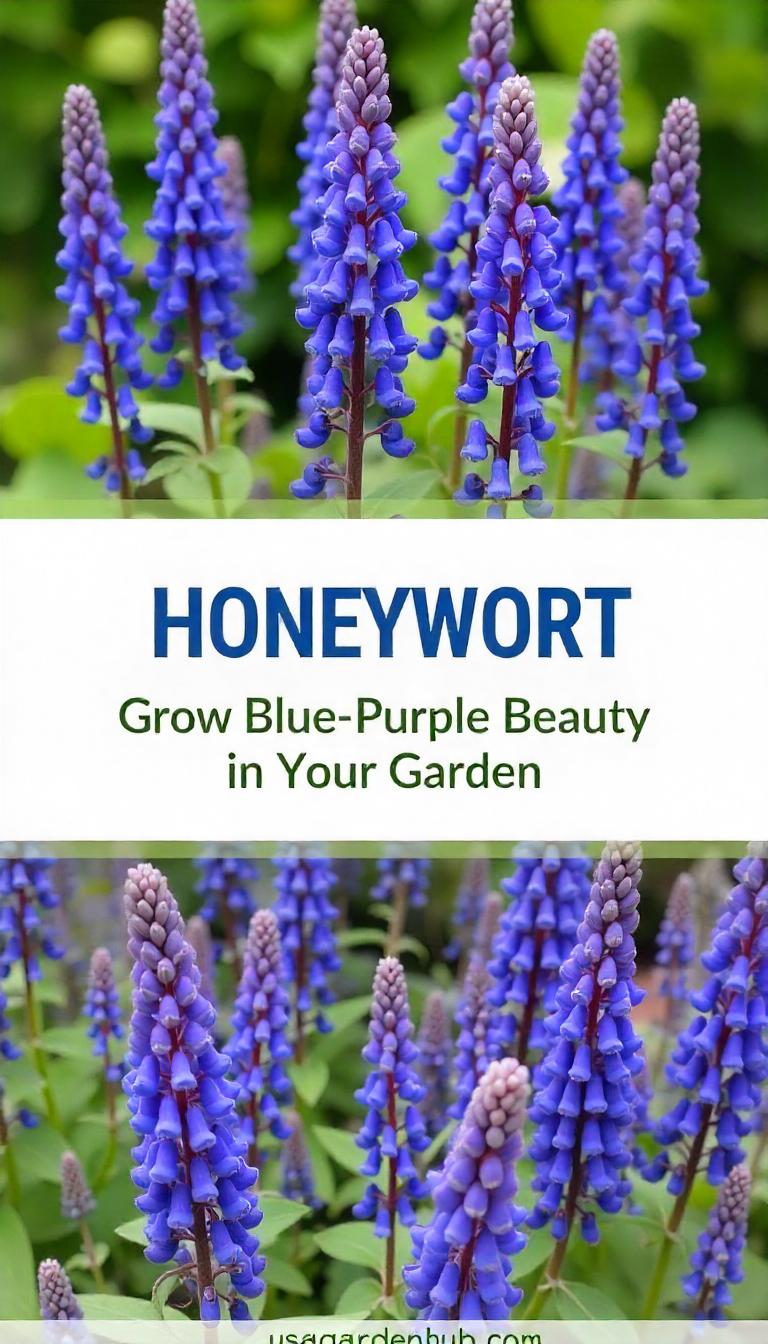
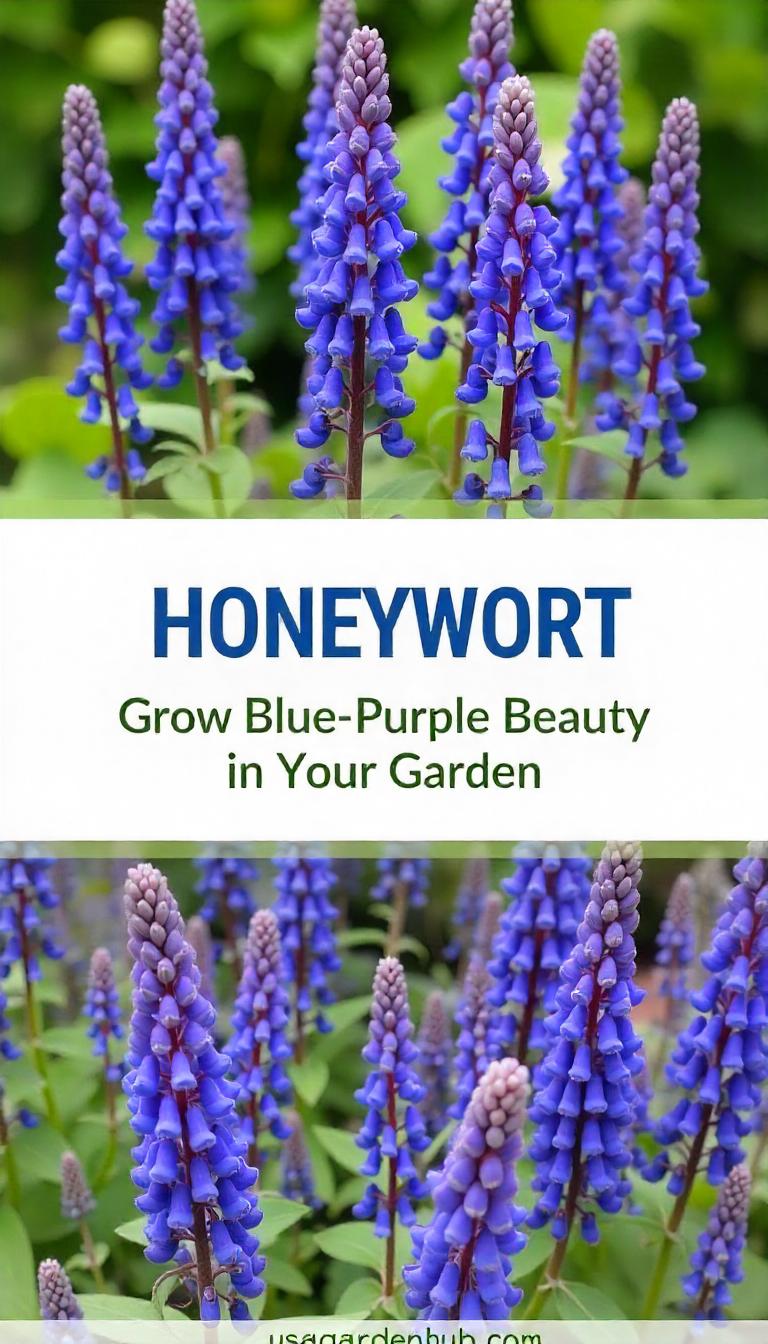
Discover the enchanting world of Honeywort in 2024. Learn expert tips on growing and caring for this stunning blue-purple flowering plant in your garden.
Honeywort (Cerinthe major ‘Purpurascens’), also known as blue shrimp plant or wax flower, is a captivating annual or short-lived perennial known for its unique blue-purple bracts and nodding flowers. This Mediterranean native has gained popularity among gardeners in 2024 for its drought tolerance, bee-friendly blooms, and striking architectural presence. Its distinctive coloring and easy-care nature make it an excellent choice for both novice gardeners and experienced horticulturists.
Hello, I’m Ashley Scott, a horticulturist with over 15 years of experience in ornamental plant cultivation and landscape design. Today, I’m excited to share my knowledge about Honeywort, a fascinating plant that has been capturing the attention of gardeners worldwide for its unique beauty and pollinator-friendly characteristics.
Here’s a detailed chart for Honeywort (Cerinthe major), a beautiful and easy-to-grow flowering plant:
CategoryInformationBotanical NameCerinthe majorCommon NameHoneywort, Blue Shrimp PlantPlant TypeAnnual or Biennial (depending on climate)Hardiness ZoneUSDA Zones 7–10Sun ExposureFull sun to partial shadeSoil TypeWell-draining, light, sandy soilWateringModerate; drought-tolerant once establishedGrowth HabitUpright, bushyHeight/Spread1–2 feet tall, 1–2 feet wideSpecial FeaturesAttractive blue-green leaves, tubular purple or blue flowers, attracts bees and pollinators, low maintenance
Understanding Honeywort
According to the Royal Horticultural Society, Honeywort’s key characteristics include:
Notable Features
- Height: 1-2 feet tall
- **Spread: **1-1.5 feet wide
- Blue-green succulent-like foliage
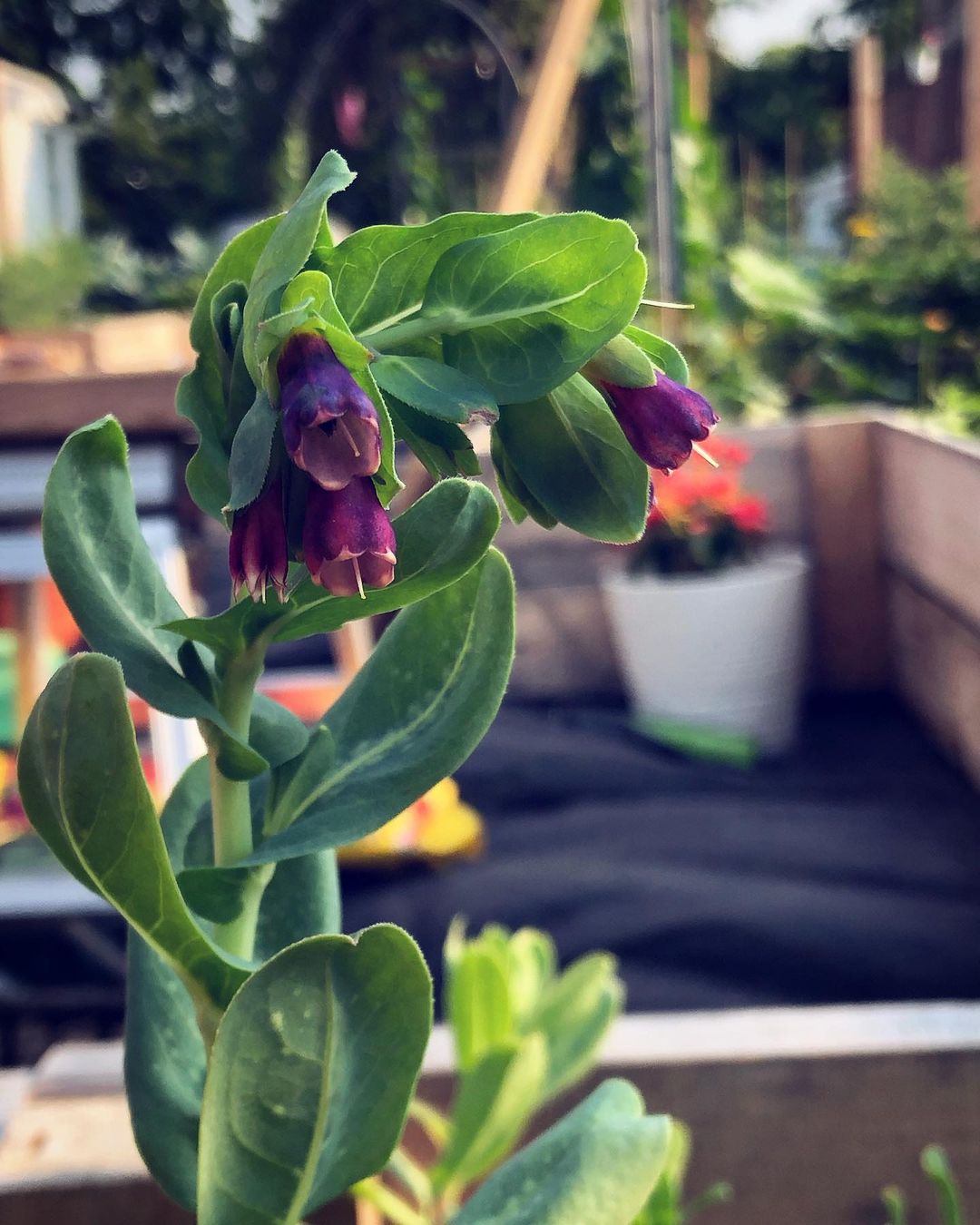
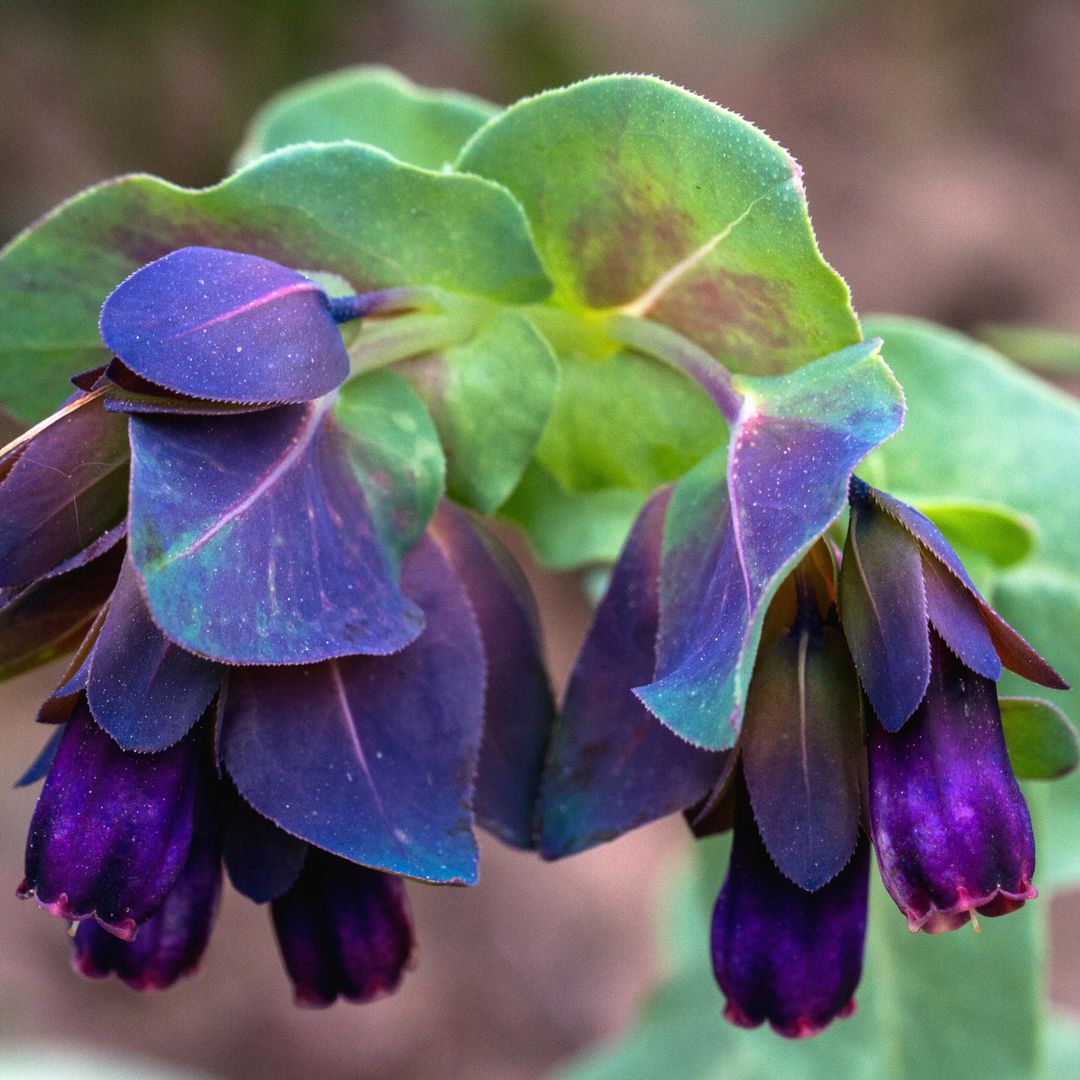
- Purple-blue bracts with pendant flowers
- Self-seeding capability
Benefits
- Attracts pollinators, especially bees
- Drought tolerant once established
- Excellent cut flower
- Low maintenance
- Long blooming period
Growing Honeywort
The Missouri Botanical Garden provides excellent guidance for optimal growing conditions.
Climate and Hardiness
- USDA zones 7-10
- Grow as annual in colder regions
- Mediterranean climate preferred
- Heat tolerant
Optimal Growing Conditions
- Soil Requirements
Well-draining soil
- pH 6.0-7.5
- Tolerates poor soils
- Good organic matter content
- Light and Temperature
Full sun to partial shade
- Protection from harsh afternoon sun
- Tolerates cool temperatures
- Frost tender
- Water Needs
Moderate water during establishment
- Drought tolerant once established
- Avoid overwatering
- Good drainage essential
Planting and Care
According to Cornell University Extension, successful cultivation requires:
Planting Tips
- When to Plant
Spring after last frost
- Early autumn in mild climates
- Direct sow or transplant
- Spacing
12-18 inches between plants
- Mass plantings for impact
- Consider mature size
Maintenance
- Regular Care
Deadhead spent blooms
- Remove yellowing leaves
- Support if needed
- Monitor for self-seeding
- Fertilization
Light feeder
- Spring compost application
- Avoid excess nitrogen
- Monthly balanced feed during growing season
/lonicera-sempervirens-trumpet-honeysuckle/
Design Applications
The National Garden Bureau suggests various ways to use Honeywort:
Garden Settings
- Cottage Gardens
Mixed borders
- Informal plantings
- Color combinations
- Natural drifts
- Container Gardens
Mixed containers
- Single specimens
- Window boxes
- Patio planters
Companion Plants
Pair Honeywort with:
- Salvias
- Lavender
- Verbena
- Ornamental grasses
Seasonal Interest
Based on recommendations from Garden Design Magazine:
Spring
- Early foliage emergence
- First blooms appear
- Fresh blue-green growth
- Vigorous development
Summer
- Peak flowering period
- Continuous bloom production
- Heat tolerance
- Pollinator activity
Fall
- Extended blooming
- Seed formation
- Self-seeding begins
- Foliage remains attractive
/creating-beautiful-tulip-bouquets/
Propagation Methods
From Seed
- Direct Sowing
Fall or spring sowing
- Surface sow
- Light requirement for germination
- Keep soil moist
- Indoor Starting
6-8 weeks before last frost
- 65-70°F germination temperature
- Transplant when seedlings have 2-3 true leaves
- Harden off gradually
/pinwheel-coneflower/
Problem Solving
The University of California IPM provides guidance on common issues:
Common Issues
- Pests
Generally pest-resistant
- Watch for slugs
- Occasional aphids
- Prevention methods
- Diseases
Root rot in wet conditions
- Powdery mildew
- Prevention through good air circulation
- Proper spacing
Special Uses
Cut Flowers
- Long vase life
- Unique color addition
- Cut when bracts are fully colored
- Strip lower leaves
Dried Flowers
- Air dry upside down
- Maintain color well
- Use in arrangements
- Winter decorations
/red-and-orange-flowers/
Conservation Value
According to the Xerces Society:
Wildlife Benefits
- Excellent bee forage
- Butterfly nectar source
- Natural habitat
- Seed source for birds
Honeywort offers a unique combination of beauty, ease of care, and ecological benefits that make it an excellent choice for modern gardens. Whether you’re looking to attract pollinators, add unusual color to your garden, or create stunning cut flower arrangements, this versatile plant delivers with minimal maintenance requirements.
For more gardening tips and plant care guides, visit usagardenhub.com