
Learn how to grow and care for Lemon Coral Sedum. This guide covers light, soil, water, and winter care for this vibrant chartreuse ground cover and container plant.
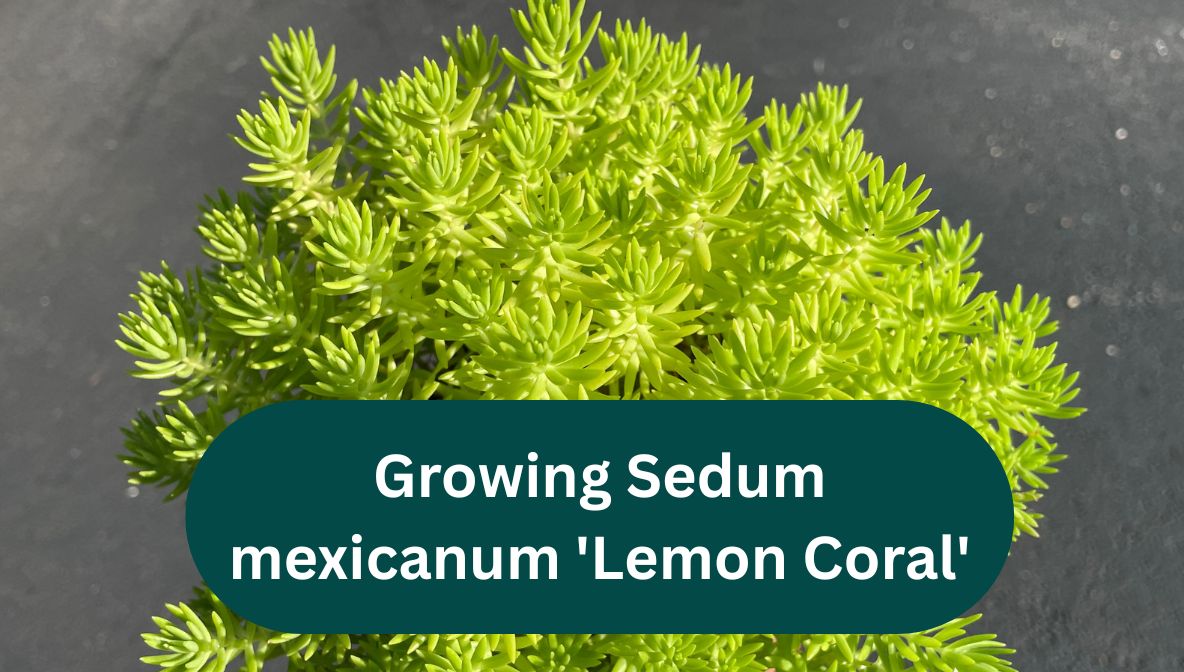
I’ll never forget the first time I saw Lemon Coral Sedum spilling over the edge of a container at a botanical garden. Its electrifying chartreuse color was so vibrant it seemed to glow, creating a stunning contrast against darker foliage plants. I immediately added it to my own garden, and it quickly became one of my most reliable and eye-catching plants for sunny spots.
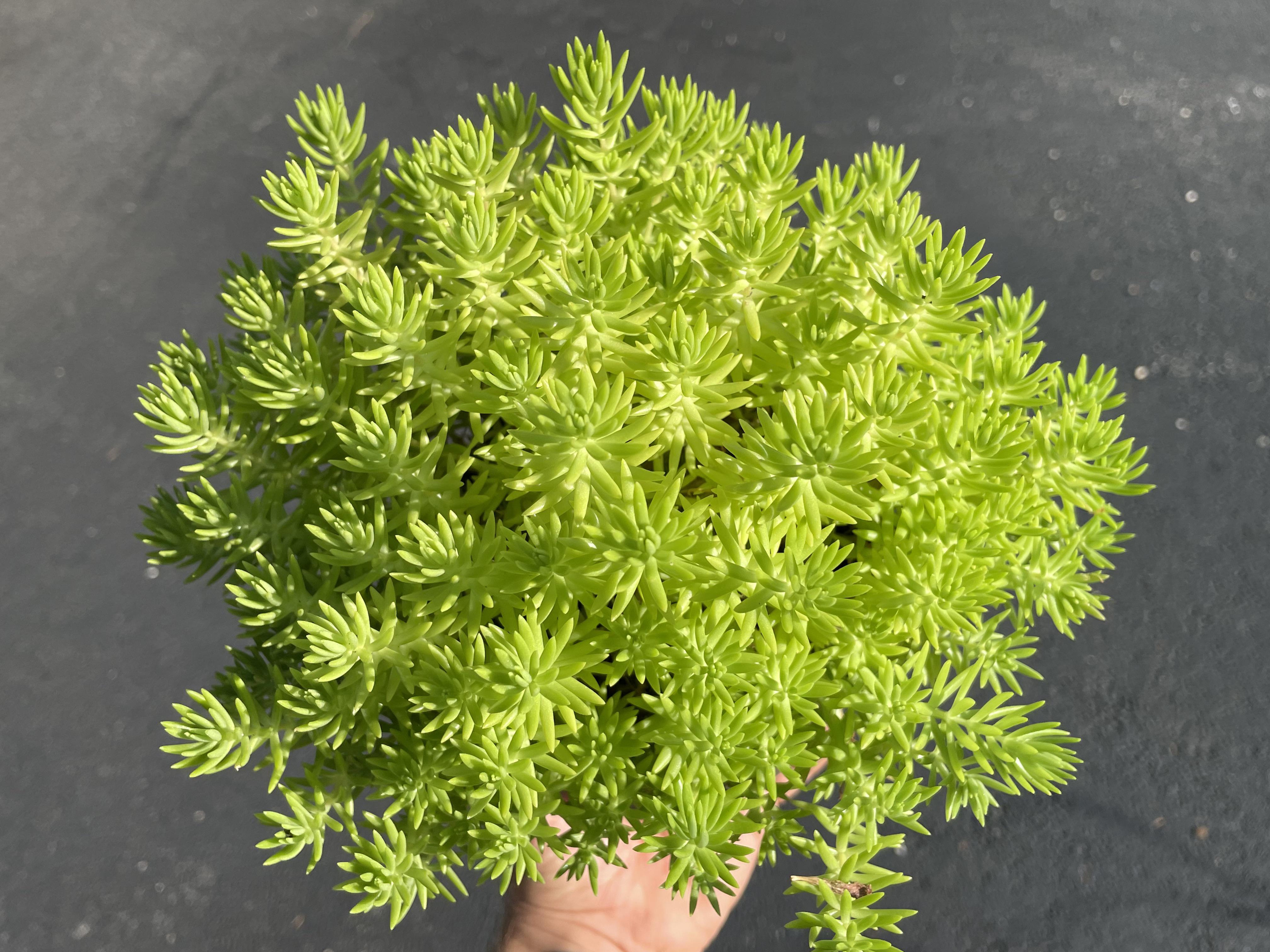
Lemon Coral Sedum (Sedum mexicanum ‘Lemon Coral’) is a vigorous, low-growing succulent known for its needle-like, bright yellow-green foliage. While it can produce small yellow flowers in summer, it’s primarily grown for its spectacular foliage that maintains its brilliant color throughout the growing season.
Why Grow Lemon Coral Sedum?
You should grow this plant for its incredible, year-round vibrant color that brightens any garden space. It’s exceptionally drought-tolerant once established, making it perfect for water-wise gardens. Its trailing habit makes it ideal for containers, hanging baskets, and rock gardens. It’s also generally pest-free and resistant to deer and rabbits.
Lemon Coral Sedum at a Glance
FeatureDescriptionCommon NameLemon Coral SedumBotanical NameSedum mexicanum ‘Lemon Coral’Plant TypeTender perennial succulentMature Size6-10 inches tall, 12-24 inch spreadSun ExposureFull sun to partial shadeSoil TypeWell-draining, average to poor soilBloom TimeSummer (minor yellow flowers)Flower ColorYellowHardiness ZonesUSDA 7-11 (often grown as annual)
Detailed Care Instructions
This succulent is wonderfully low-maintenance once you provide its basic needs.
Light Requirements
Your Lemon Coral Sedum will show its best color in full sun (at least 6 hours of direct sunlight daily). In hot climates, it appreciates some afternoon shade. In too much shade, the plant will become leggy and lose its vibrant chartreuse color, turning more pale green.
Soil and Planting
Well-draining soil is absolutely essential. This plant thrives in average to poor soil and is perfectly suited for rocky or sandy conditions. If your soil is heavy clay, amend it with gravel, perlite, or coarse sand to improve drainage. When planting in containers, use a cactus/succulent potting mix.
Watering
Water newly planted Lemon Coral regularly to help it establish a strong root system. Once established, it’s very drought-tolerant. Water only when the soil has dried out completely, then water deeply. The number one killer of this plant is overwatering, which leads to root rot. In winter, reduce watering significantly.
Temperature and Humidity
This plant thrives in warm conditions and isn’t frost-hardy. In zones where it’s not winter-hardy, it’s typically grown as an annual. It handles humidity well as long as the soil drainage is excellent and air circulation is good around the plant.
Fertilizing
Lemon Coral Sedum isn’t a heavy feeder. In fact, too much fertilizer can cause weak, leggy growth. If you choose to fertilize, use a balanced, slow-release fertilizer in spring or a diluted liquid fertilizer once at the beginning of the growing season.
How to Propagate Lemon Coral Sedum
This plant is incredibly easy to propagate from stem cuttings.
- Take Cuttings: Snip a 3-4 inch stem from healthy growth.
- Prepare Cuttings: Remove the leaves from the bottom inch of the stem.
- Plant: Stick the cutting directly into moist potting soil.
- Rooting Care: Keep the soil lightly moist. Roots should develop within 2-3 weeks.
You can learn more techniques in our guide to plant propagation.
Common Problems and Solutions
Even these tough plants can encounter occasional issues.
- Leggy Growth: Usually caused by too much shade or over-fertilization. Move to a sunnier location.
- Root Rot: Caused by overwatering or poor drainage. Ensure soil drains well and let it dry between waterings.
- Pale Color: Indicates insufficient sunlight. Provide more direct sun.
- Mealybugs: Occasionally these pests may appear. Treat with insecticidal soap or neem oil.
According to the University of Florida IFAS Extension, sedums are generally trouble-free plants when given proper growing conditions.
Landscape Uses
This versatile plant works beautifully in many situations. It’s spectacular in containers and hanging baskets where it can cascade over the edges. Use it as a ground cover in sunny, well-drained areas. It’s perfect for rock gardens and wall plantings. It makes an excellent edging plant along pathways. It also works well in green roof installations due to its drought tolerance.
Overwintering in Cool Climates
In zones below 7, you have several options for overwintering. Bring container plants indoors to a sunny window before the first frost. Take cuttings in late summer to grow new plants indoors through winter. Mulch in-ground plants heavily after the ground freezes; in zone 6 they may survive with good snow cover.
A Final Tip for Success
The secret to a beautiful Lemon Coral Sedum is simple: provide plenty of sun, excellent drainage, and don’t overwater. This plant thrives on neglect rather than constant attention. For more ideas on drought-tolerant plants, explore our guide to water-wise gardening.
What’s your favorite way to use Lemon Coral Sedum in the landscape? Share your design ideas in the comments below!