
Master growing Myrtillocactus geometrizans (Blue Candle Cactus) with our expert guide. Learn essential care tips, propagation methods, and solutions to common problems in 2024.
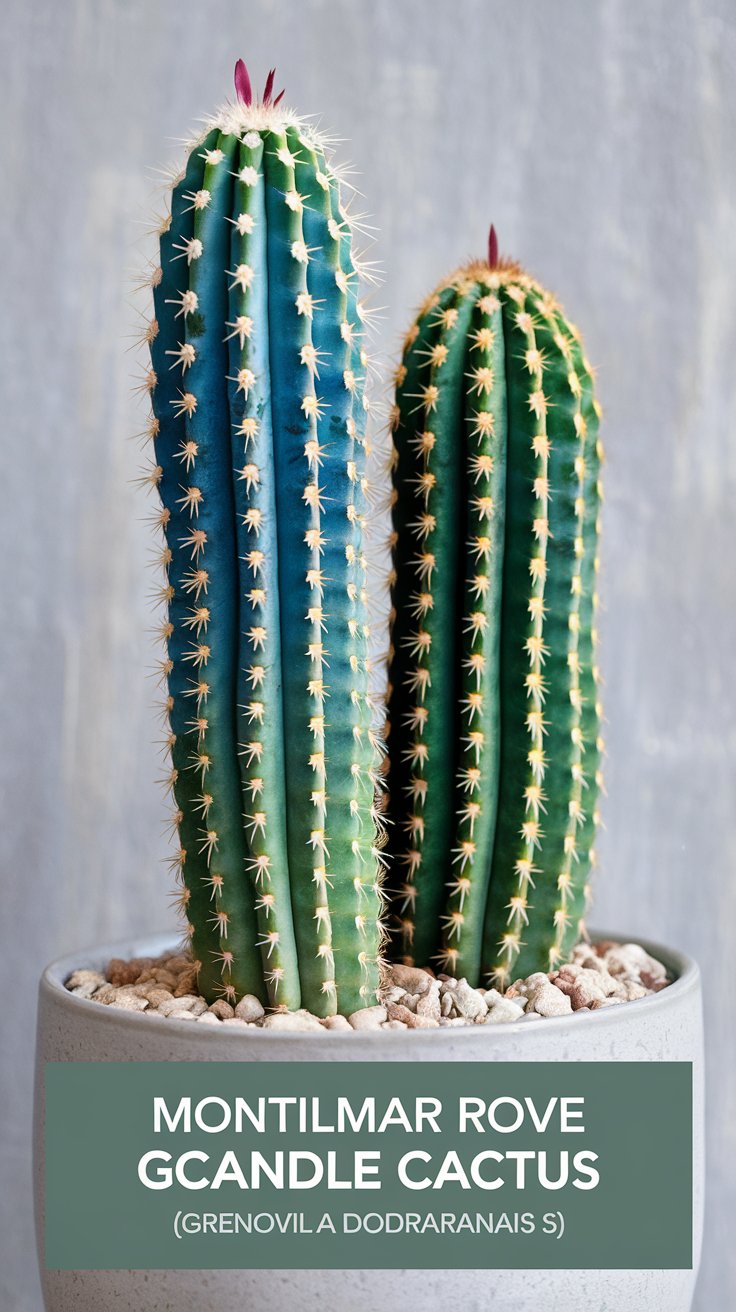
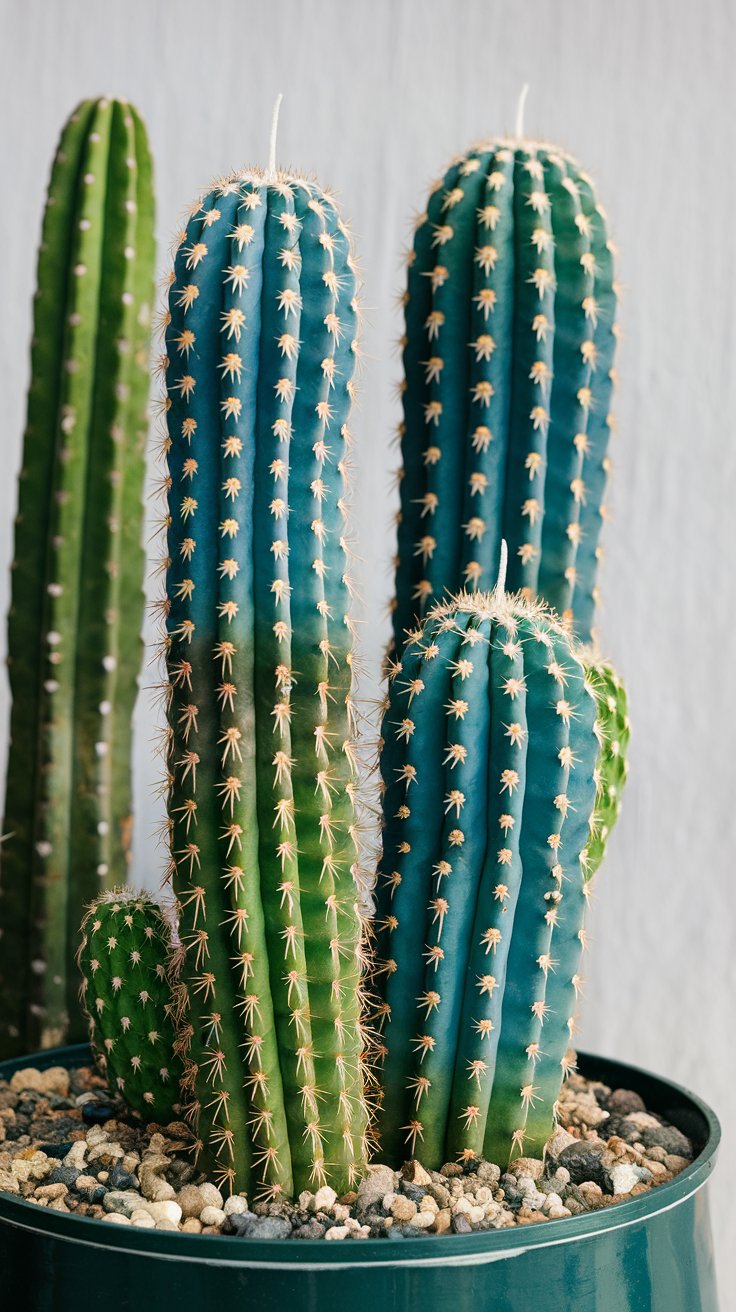
Myrtillocactus geometrizans, commonly known as Blue Candle Cactus, is a striking columnar cactus characterized by its distinctive blue-green stems, geometric growth pattern, and edible fruits. This architectural plant can grow up to 16-20 feet tall in its natural habitat, making it a remarkable specimen for both outdoor landscapes and indoor collections.
Hello, I’m Ashley Scott, a succulent specialist with over 15 years of experience in desert plant cultivation. Today, I’ll share my expertise on the fascinating Myrtillocactus geometrizans, one of the most distinctive columnar cacti available to collectors.
Understanding Myrtillocactus geometrizans
Natural Habitat
- Native to central and northern Mexico
- Found in semi-desert areas
- Adapts to various elevations
- Thrives in mineral-rich soils
Physical Characteristics
- Blue-green epidermis
- Multiple branching stems
- Small areoles with 5-8 spines
- Nocturnal white flowers
- Edible purple-black fruits
Essential Growing Requirements
Light Requirements
- Outdoor Growing
Full sun exposure
- 6-8 hours direct sunlight
- Morning to afternoon sun ideal
- Indoor Growing
South or west-facing windows
- Supplemental grow lights if needed
- Rotate pot regularly
Soil and Potting
Soil Mix
- 50% mineral components
Pumice
- Perlite
- Coarse sand
- 50% organic matter
Cactus potting soil
- Aged compost
Container Requirements
- Deep pots for root development
- Wide base for stability
- Multiple drainage holes
- Terracotta preferred
/totem-pole-cactus/
Watering Guide
Growing Season (Spring/Summer)
- Water when soil completely dry
- Deep watering method
- Allow excess water to drain
- Monitor soil moisture
Dormant Season (Fall/Winter)
- Minimal watering
- Once every 4-6 weeks
- Avoid water collecting in areoles
- No water if temperature below 50°F
Advanced Care Techniques
Fertilization Schedule
- Growing Season
Monthly feeding
- Balanced cactus fertilizer
- Quarter strength solution
- Focus on phosphorus
- Dormant Season
No fertilization needed
- Resume in spring
- Flush soil annually
Pruning and Maintenance
- Remove damaged growth
- Control height if needed
- Sterilize tools
- Allow cuts to callus
/totem-pole-cactus/
Propagation Methods
Stem Cuttings
- Preparation
Select healthy stems
- Clean cuts with sharp knife
- Size: minimum 6 inches
- Processing
Allow callusing (2 weeks)
- Dust with rooting hormone
- Plant in dry soil
- Wait 2-3 weeks before watering
Seed Propagation
- Collection
Harvest ripe fruits
- Extract seeds
- Clean and dry
- Sowing
Use sterile medium
- Surface sow
- Maintain warmth
- Light moisture
Common Problems and Solutions
Pest Management
- Mealybugs
Identification: White cotton-like masses
- Treatment: Neem oil solution
- Prevention: Good air circulation
- Spider Mites
Identification: Fine webbing
- Treatment: Insecticidal soap
- Prevention: Regular inspection
Disease Control
- Root Rot
Cause: Overwatering
- Solution: Reduce watering
- Prevention: Well-draining soil
- Fungal Issues
Cause: High humidity
- Solution: Copper fungicide
- Prevention: Air movement
/philodendron-erubescens/
Growing Innovations for 2024
Smart Technology
- Moisture sensors
- Climate monitoring
- Light meters
- Automated watering systems
Sustainable Practices
- Rainwater collection
- Solar-powered grow lights
- Biodegradable pots
- Organic pest control
Landscaping Applications
Outdoor Design
- Security Barriers
Natural fencing
- Property boundaries
- Architectural focal points
- Xeriscaping
Water-wise gardens
- Desert landscapes
- Rock gardens
Indoor Placement
- Living Spaces
Bright corners
- Window displays
- Office greenery
- Special Considerations
Support for tall growth
- Protection from drafts
- Access for maintenance
/mountain-rose-succulent-greenovia-dodrantalis/
Cultural Significance
Traditional Uses
- Edible fruits (garambullo)
- Medicinal applications
- Living fences
- Cultural ceremonies
Modern Applications
- Sustainable gardening
- Architectural element
- Conservation
- Education
Seasonal Care Calendar
Spring
- Resume regular watering
- Begin fertilization
- Monitor new growth
- Repot if needed
Summer
- Peak growing season
- Maximum light exposure
- Regular feeding
- Watch for pests
Fall
- Reduce watering
- Stop fertilization
- Prepare for dormancy
- Last harvest
Winter
- Minimal water
- Protect from frost
- Monitor temperature
- Indoor protection
FAQs
- How fast does Myrtillocactus geometrizans grow?
Moderate growth: 6-12 inches annually in optimal conditions
- Are the fruits safe to eat?
Yes, garambullo fruits are edible and nutritious
- Can it be grown indoors permanently?
Yes, with adequate light and proper care
- How often should it be repotted?
Every 2-3 years for young plants
- Every 4-5 years for mature specimens
- Is it cold hardy?
Tolerates brief exposure to 25°F (-4°C)
- Protect from sustained cold
For more gardening tips and plant care guides, visit usagardenhub.com