
Discover the fascinating world of organisms that grow on elm trees. Learn to identify common species, understand their ecological roles, and manage their growth in 2024.
Elm trees serve as natural hosts for various organisms, including mushrooms, mosses, and lichens that grow along their bark and branches. These fascinating species have adapted specifically to thrive on elm trees, creating unique micro-ecosystems that contribute to forest biodiversity. Understanding these organisms is crucial for both naturalists and forest managers.
Hello, I’m Ashley Scott, a forest ecologist with over 15 years of experience studying tree-dwelling organisms. Today, I’ll share my expertise on the various species that make their home on elm trees.
Here’s a comprehensive chart for Elm Trees:
CategoryInformationBotanical NameUlmus speciesCommon NameElm TreePlant TypeDeciduous TreeHardiness ZoneUSDA Zones 3–9 (varies by species)Sun ExposureFull sun to partial shadeSoil TypeMoist, well-draining, fertile soilWateringModerate; prefers consistent moisture but tolerates drought once establishedGrowth HabitUpright, spreading canopyHeight/Spread40–100 feet tall, 30–70 feet wide (depends on species)Special FeaturesFast-growing; attractive, arching canopy; tolerant of various soil types; supports wildlife
Common Species Found on Elm Trees
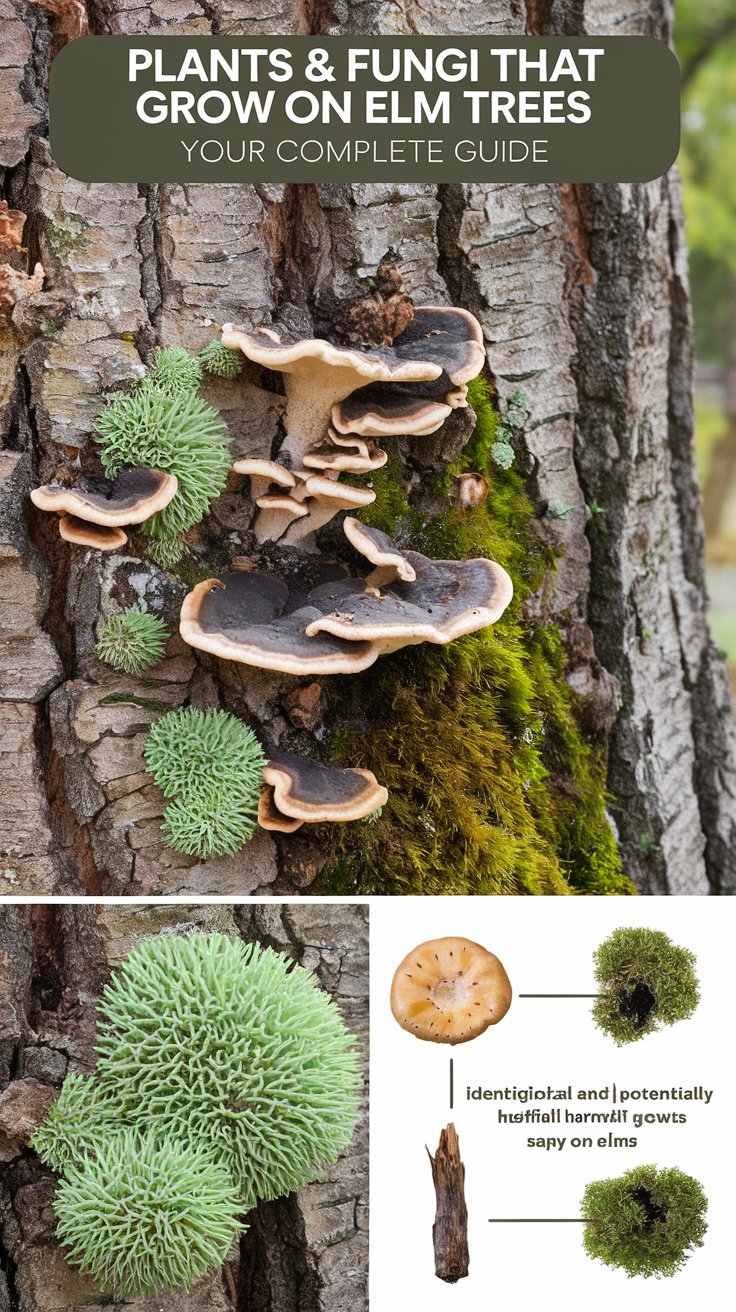
Fungi
- Oyster Mushrooms (Pleurotus ostreatus)
White to gray caps
- Shelf-like growth pattern
- Edible when properly identified
- Appears fall through spring
- Dryad’s Saddle (Polyporus squamosus)
Large, fan-shaped brackets
- Distinctive scale pattern
- Spring and summer growth
- Often found on older trees
Mosses
- Tree Skirt Moss (Anomodon attenuatus)
Dark green mats
- Primarily on lower trunk
- Prefers shaded areas
- Year-round presence
- Common Tree Moss (Climacium dendroides)
Upright, fern-like growth
- Bright green color
- Thrives in moist conditions
- Dense colonies
Lichens
- Common Script Lichen (Graphis scripta)
White to gray crust
- Black linear markings
- Slow-growing
- Indicator of air quality
- Common Orange Lichen (Xanthoria parietina)
Bright orange color
- Circular growth pattern
- Sun-loving species
- Rapid colonizer
Growing Conditions
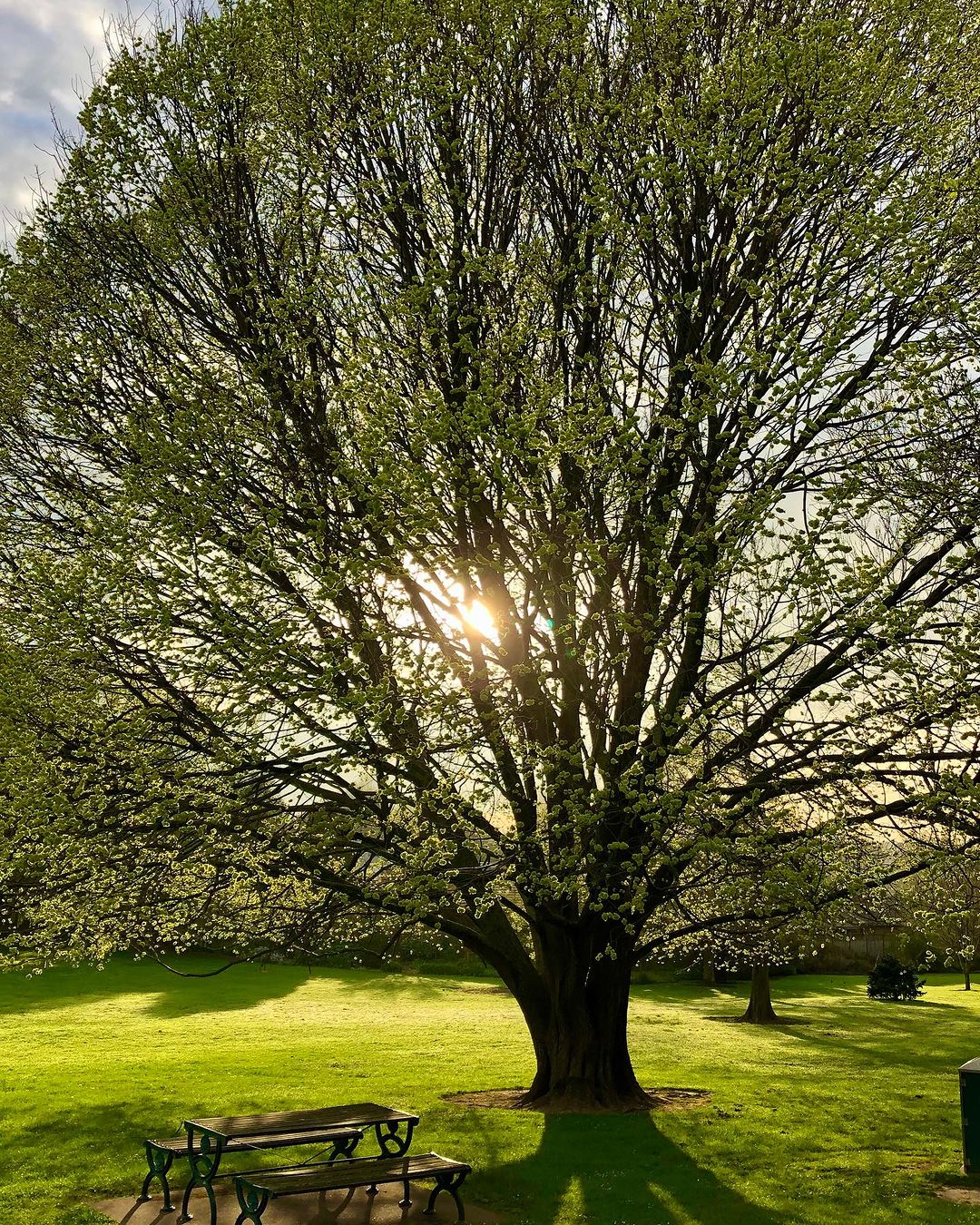
Environmental Factors
- Light Requirements
North-facing: More moss growth
- South-facing: More lichen growth
- Varying by species needs
- Moisture Levels
Higher humidity promotes growth
- Rainfall patterns affect distribution
- Seasonal variations important
- Bark Characteristics
Texture affects attachment
- pH influences species selection
- Age of bark matters
Ecological Importance
Benefits to Tree
- Symbiotic Relationships
Nutrient cycling
- Moisture retention
- Habitat creation
- Potential Concerns
Excessive growth monitoring
- Disease indicator roles
- Impact assessment
Wildlife Value
- Bird Benefits
Nesting materials
- Foraging sites
- Shelter provision
- Insect Habitat
Breeding sites
- Food sources
- Overwintering areas
/best-willow-plants-for-basket-weaving-in-texas/
Identification Guide
Visual Characteristics
- Growth Patterns
Vertical spread
- Horizontal expansion
- Seasonal changes
- Color Variations
Species-specific hues
- Seasonal changes
- Age-related differences
Location on Tree
- Trunk Zones
Base growth
- Mid-trunk patterns
- Upper trunk presence
- Branch Distribution
Primary branches
- Secondary growth
- Crown presence
Management Techniques for 2024
Monitoring Methods
- Digital Tools
Photo documentation
- Growth tracking apps
- Species identification software
- Physical Assessment
Regular inspections
- Measurement techniques
- Health evaluation
Control Measures
- When Necessary
Excessive growth
- Disease presence
- Tree health concerns
- Methods
Manual removal
- Environmental adjustment
- Professional consultation
/how-does-jade-vine-smell/
Conservation Considerations
Protecting Beneficial Growth
- Preservation Techniques
Maintaining humidity
- Reducing pollution
- Managing light exposure
- Enhancement Methods
Creating favorable conditions
- Supporting biodiversity
- Monitoring success
Managing Harmful Growth
- Early Detection
Regular monitoring
- Professional assessment
- Documentation
- Intervention Strategies
Selective removal
- Environmental modification
- Preventive measures
Scientific Research
Current Studies
- Biodiversity Impact
Species interactions
- Ecosystem services
- Long-term effects
- Climate Change Effects
Adaptation patterns
- Distribution changes
- Future predictions
Citizen Science
- Monitoring Programs
Data collection
- Species tracking
- Community involvement
/white-spruce-bush-ground-cover/
Best Practices for Observation
Equipment Needed
- Basic Tools
Magnifying glass
- Camera
- Notebook
- Field guides
- Advanced Equipment
Moisture meters
- pH testers
- Digital microscopes
Documentation Methods
- Photography
Macro shots
- Growth progression
- Seasonal changes
- Record Keeping
Species logs
- Growth measurements
- Environmental data
FAQs
- Are all growths on elm trees harmful?
No, many are beneficial or neutral
- How can I tell if growth is dangerous?
Look for signs of tree stress
- Consult an arborist
- Monitor changes
- When should I be concerned?
Rapid growth changes
- Tree health decline
- Unusual patterns
- Can I remove growths myself?
Professional assessment recommended
- Some removal may harm tree
- Species identification important
- Do all elm trees support the same growth?
Varies by tree age
- Environmental conditions matter
- Species differences exist
/do-scarecrows-work/
Understanding the organisms that grow on elm trees provides valuable insights into forest ecology and biodiversity. Whether you’re a naturalist, researcher, or tree enthusiast, observing and documenting these species contributes to our understanding of these complex ecosystems.
For more gardening tips and plant care guides, visit usagardenhub.com