
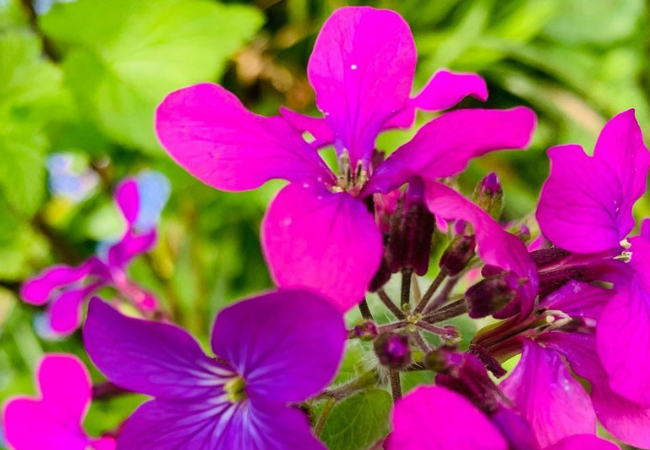
Discover the beauty and benefits of the honesty flower (Lunaria annua). Learn how to grow, care for, and use this unique plant in your garden.
Have you ever stumbled upon a plant that seems to tell a story with every part of its being? That’s exactly how I felt the first time I encountered the honesty flower. Known scientifically as Lunaria annua, this plant has captivated gardeners for centuries with its delicate purple blooms and unique, silvery seed pods. Whether you’re a seasoned gardener or just starting out, the honesty flower is a must-have for any garden. In this guide, I’ll share everything I’ve learned about this fascinating plant over my 10 years of gardening experience, from its appearance and growing conditions to its many uses and benefits.
Have you heard of the Honesty flower? It’s a plant with an interesting name and even more interesting features. Let’s learn about this special flower that’s becoming popular in USA gardens.
Here’s an information chart for the Honesty flower:
CategoryInformationBotanical NameLunaria annuaCommon NameHonesty, Money Plant, Silver Dollar PlantPlant TypeBiennialHardiness Zone4-9Sun ExposureFull sun to part shadeSoil TypeWell-draining, moistWateringModerateGrowth HabitUprightHeight/Spread2-3 feet tall, spread of 1-1.5 feetSpecial FeaturesDecorative seed pods, self-seeding
What is the Honesty Flower?
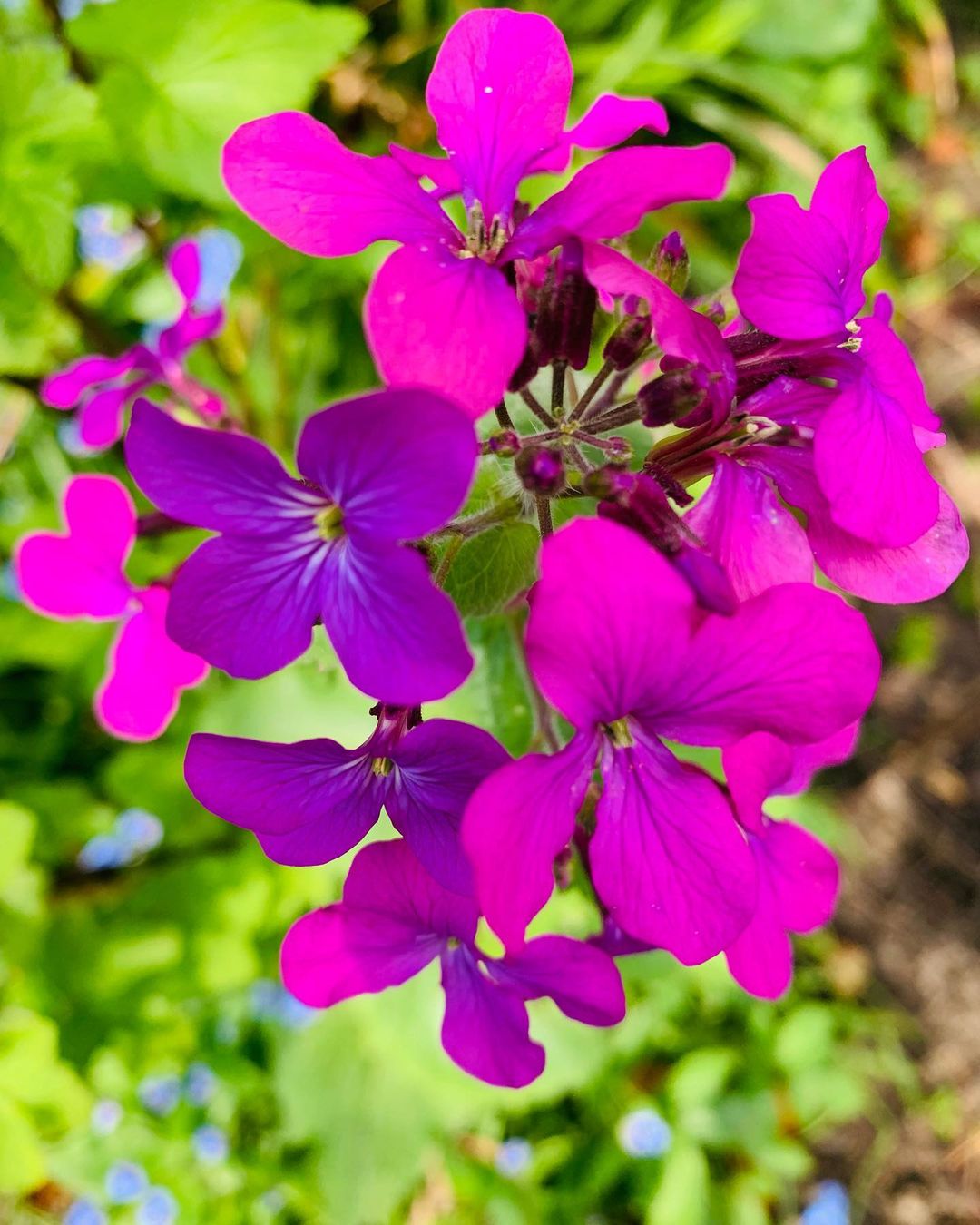
The honesty flower, also called the annual honesty flower or flower of honesty, is a biennial plant that belongs to the Brassicaceae family—yes, the same family as cabbage and mustard! Despite its name, Lunaria annua isn’t an annual; it’s a biennial, meaning it completes its life cycle over two years. In the first year, it grows leaves, and in the second year, it produces its stunning flowers and seed pods.
This plant is native to the Balkans and southwestern Asia but has found a home in gardens across the world, including here in the USA. Its common name, “honesty,” comes from the translucent seed pods that reveal their seeds, symbolizing transparency and truth. Other nicknames like money plant lunaria annua or “silver dollar plant” refer to the coin-shaped pods that shimmer in the sunlight.
Appearance and Characteristics of the Honesty Flower
One of the reasons I adore the honesty purple flower is its striking appearance. Let’s break it down:
- Leaves: The plant has medium-green, heart-shaped leaves with serrated edges. They’re simple yet elegant, providing a lush backdrop for the flowers.
- Flowers: In the second year, the honesty flower bursts into bloom with clusters of small, four-petaled flowers. These can be purple, white, or sometimes pink, depending on the variety. The purple variety is the most common and, in my opinion, the most eye-catching.
- Seed Pods: After the flowers fade, the real show begins. The plant produces flat, round seed pods that start green but gradually turn translucent and silvery as they dry. These pods are what make the flower honesty plant so unique and beloved by gardeners and crafters alike.
The plant typically grows to about 2-3 feet tall and spreads about 1-2 feet wide, making it a great mid-sized addition to any garden bed.
Growing Conditions and Care for Lunaria Annua
If you’re thinking about adding the honesty flower to your garden, you’ll be pleased to know it’s relatively easy to grow. Here’s what you need to know:
Soil and Light Requirements
- Soil: The lunaria annua plant thrives in well-drained, fertile soil. It’s not too picky, but it does best in soil that’s rich in organic matter. I’ve found that adding a bit of compost before planting gives it a great start.
- Light: This plant is versatile when it comes to light. It can grow in full sun to partial shade. In my garden, I’ve had success planting it in a spot that gets morning sun and afternoon shade, which seems to keep the flowers vibrant.
Watering and Maintenance
- Watering: The honesty flower prefers consistently moist soil but can tolerate short periods of drought once established. I water mine regularly during dry spells, especially in the first year when it’s establishing roots.
- Maintenance: One of the best things about the honesty flower is how low-maintenance it is. It’s a biennial, so it will self-seed if you let it, meaning you’ll have new plants popping up each year without much effort. However, if you want to control its spread, simply remove the seed pods before they drop their seeds.
Planting Lunaria Annua Seeds
- When to Plant: You can sow lunaria annua seeds directly in the garden in early spring or late summer. If you plant in spring, expect flowers the following year. For a head start, you can also start seeds indoors 6-8 weeks before the last frost.
- How to Plant: Scatter the seeds on the soil surface and lightly cover them with a thin layer of soil. They need light to germinate, so don’t bury them too deep. Water gently and keep the soil moist until seedlings appear, usually within 10-14 days.
For more detailed tips on growing biennial plants like the honesty flower, check out my article on How to Grow Biennial Plants.
Uses and Benefits of the Honesty Flower
The honesty flower isn’t just a pretty face—it’s also incredibly useful. Here are some of the ways you can enjoy this plant:
Ornamental Value
- Garden Beauty: The purple flowers add a pop of color in spring, while the silvery seed pods provide interest well into fall and winter. I love how they catch the light and add a touch of magic to the garden.
- Dried Arrangements: The seed pods are a favorite for dried flower arrangements. Simply cut the stems when the pods are fully developed and hang them upside down to dry. They’ll last for months, adding a unique texture to your home decor.
Attracting Pollinators
- Bees and Butterflies: The flower of honesty is a magnet for pollinators. Its nectar-rich flowers attract bees, butterflies, and even hummingbirds, making it a great addition to a pollinator-friendly garden. If you’re interested in creating a garden that supports wildlife, you might also enjoy my guide on Attracting Pollinators to Your Garden.
Educational and Symbolic Uses
- Teaching Tool: The honesty flower is a great plant for teaching kids about plant life cycles. Its biennial nature and unique seed pods make it a hands-on learning experience.
- Symbolism: In the language of flowers, honesty represents sincerity and truth. It’s a thoughtful gift for someone you admire or a beautiful addition to a wedding bouquet.
For more ideas on using flowers in creative ways, I recommend this Guide to Dried Flower Arrangements from North Carolina State University’s Extension site.
A Personal Story: My First Encounter with the Honesty Flower
I’ll never forget the first time I saw the honesty flower. It was at a local garden show, and I was immediately drawn to a booth filled with dried arrangements. Among the usual suspects like lavender and strawflowers, there were these ethereal, silvery discs that seemed to glow. When I asked the vendor what they were, she smiled and said, “That’s the honesty plant. It’s as beautiful in the garden as it is in a vase.”
Intrigued, I bought a packet of lunaria annua seeds and planted them that spring. The next year, when the purple flowers bloomed, I was smitten. But it was the seed pods that truly stole my heart. Watching them transform from green to silver was like witnessing a small miracle. Since then, the honesty flower has been a staple in my garden, and I’ve even started gifting the dried pods to friends and family.
Common Questions About the Honesty Flower
As a gardener with a decade of experience, I’ve fielded plenty of questions about the honesty flower. Here are some of the most common ones:
Is the Honesty Flower an Annual or Perennial?
Despite its scientific name, Lunaria annua (which means “annual”), the honesty flower is actually a biennial. It grows leaves in the first year and flowers in the second. However, it often self-seeds, so you’ll have a continuous supply of plants year after year.
Can I Grow the Honesty Flower in Containers?
Absolutely! While it’s often grown in garden beds, the honesty flower does well in large containers. Just make sure the pot has good drainage and is at least 12 inches deep to accommodate the plant’s roots.
Are There Different Varieties of the Honesty Flower?
Yes, there are a few varieties to choose from:
- Purple Honesty: The most common, with vibrant purple flowers.
- White Honesty: A lovely alternative with pure white blooms.
- Variegated Honesty: This variety has leaves with white edges, adding extra visual interest.
For a deeper dive into the different types, check out this Comprehensive Guide to Lunaria Varieties from the Missouri Botanical Garden.
Tips for Harvesting and Using Lunaria Annua Seed Pods
If you’re growing the honesty flower for its seed pods, here’s how to harvest them:
- Wait for the Right Time: Harvest the pods when they’ve turned from green to brown and feel papery to the touch.
- Cut the Stems: Use sharp scissors to cut the stems, leaving a few inches for easy handling.
- Dry the Pods: Hang the stems upside down in a dry, well-ventilated area. Once fully dry, you can remove the outer layers to reveal the translucent membranes.
These dried pods are perfect for wreaths, bouquets, or even as natural confetti. For more creative ideas, I love this DIY Dried Flower Project from Purdue University’s Extension site.
Conclusion: Why the Honesty Flower Deserves a Spot in Your Garden
The honesty flower is more than just a pretty plant—it’s a conversation starter, a pollinator magnet, and a source of endless fascination. Whether you’re drawn to its purple blooms, its silvery seed pods, or its rich symbolism, this plant has something for everyone. Plus, it’s easy to grow and maintain, making it a great choice for gardeners of all skill levels.
If you’re ready to add a touch of magic to your garden, I encourage you to plant some lunaria annua seeds this season. Trust me, you won’t be disappointed.
For more gardening tips and inspiration, be sure to explore my other articles on USA Garden Hub. Happy gardening!