
Discover when Flip Trees (String of Dolphins) start flowering and learn expert tips for encouraging blooms. Master the art of caring for these unique succulents in 2024.
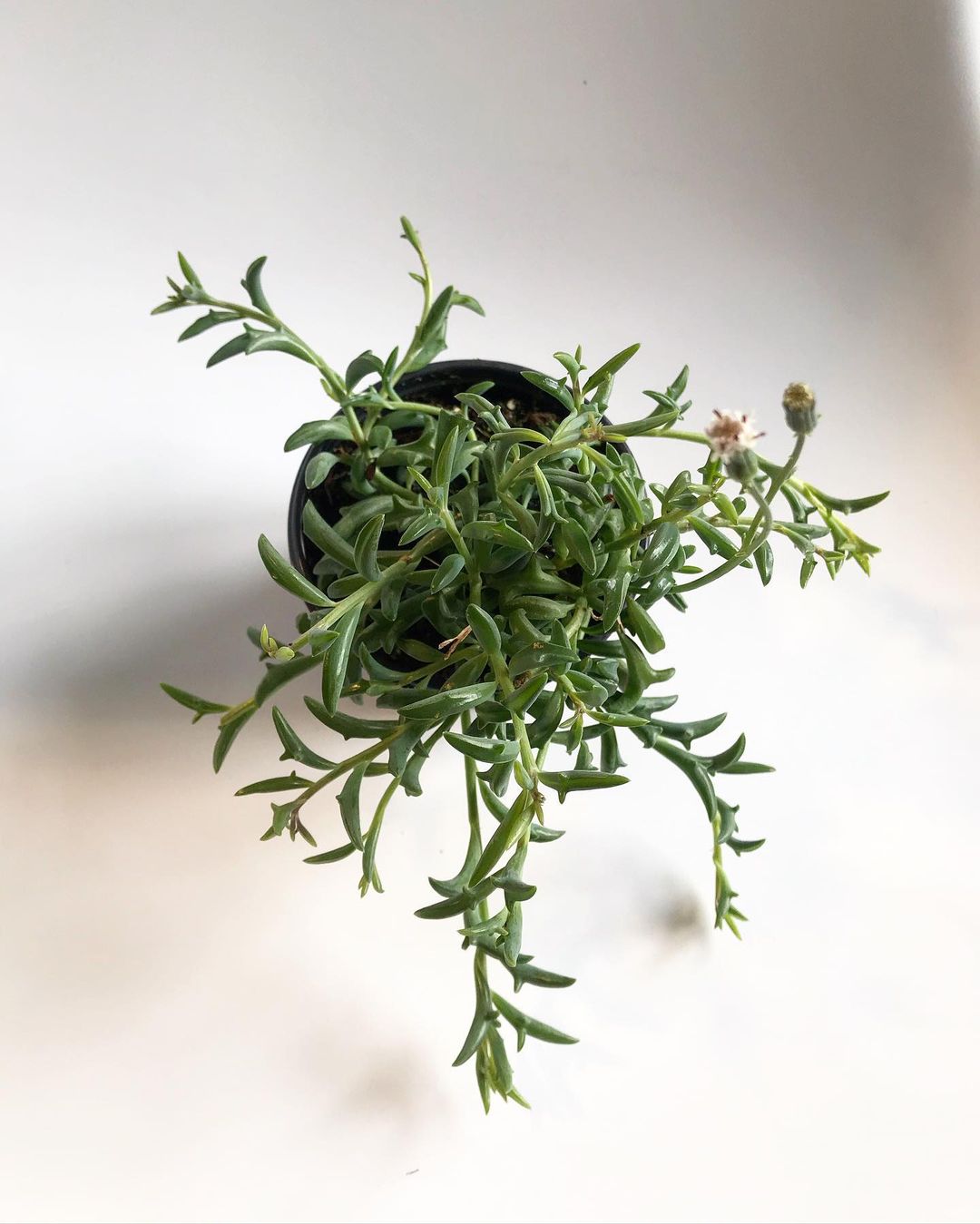
Flip Trees (Senecio peregrinus), also known as Dolphin Succulents or String of Dolphins, typically begin flowering in late spring to early summer, producing small, daisy-like white flowers with a sweet fragrance. These unique succulents, beloved for their dolphin-shaped leaves, generally start flowering when they reach maturity at 2-3 years of age, given proper care and optimal growing conditions.
Hello, I’m Ashley Scott, a succulent specialist with over 15 years of experience in rare plant cultivation. Today, I’ll share my expertise on the flowering patterns of Flip Trees and how to encourage optimal blooming.
Here’s a detailed chart for Flip Trees (Senecio peregrinus), also known as String of Dolphins:
CategoryInformationBotanical Name*Senecio peregrinusCommon NameFlip Tree, String of DolphinsPlant TypeSucculentHardiness ZoneUSDA Zones 10–12 (can be grown indoors in cooler zones)Sun ExposureBright, indirect light to partial sunSoil TypeWell-draining, cactus or succulent soilWateringLow; water sparingly, allowing soil to dry out completely between wateringsGrowth HabitTrailing, cascadingHeight/Spread3–6 inches tall, trails up to 1–2 feet longSpecial Features*Dolphin-shaped leaves; drought-tolerant; suitable for hanging baskets; easy to propagate
Understanding Flip Tree Flowering
Natural Blooming Cycle
- **Primary blooming season: **Late spring to early summer
- Flowering duration: 2-4 weeks
- **Flower type: **Small, white, daisy-like blooms
- **Fragrance: **Light, honey-like scent
Factors Affecting Flowering
- Plant Age
Minimum age: 2-3 years
- Mature size needed
- Established root system required
- Environmental Conditions
Light exposure
- Temperature fluctuations
- Seasonal changes
Optimal Conditions for Flowering
Light Requirements
- Bright, indirect sunlight
- 4-6 hours daily
- Morning sun preferred
- Protection from harsh afternoon rays
Temperature
- **Ideal day temperature: **70-80°F (21-27°C)
- **Night temperature: **60-65°F (15-18°C)
- Temperature fluctuation helps trigger blooming
Soil and Nutrients
- Soil Composition
Well-draining succulent mix
- 50% mineral content
- 50% organic matter
- Fertilization
Balanced succulent fertilizer
- Apply early spring
- Reduce after flowering
/calamondin-tree/
Seasonal Care for Better Blooming
Spring (Pre-Flowering)
- Preparation
Increase watering gradually
- Start fertilization
- Clean and prune dead growth
- Light Adjustment
Gradually increase exposure
- Monitor for sunburn
- Rotate plant regularly
Summer (Flowering Season)
- During Blooming
Maintain consistent moisture
- Protect from extreme heat
- Deadhead spent blooms
- Post-Bloom Care
Reduce watering
- Stop fertilization
- Monitor for stress
Fall/Winter (Dormancy)
- Reduce watering frequency
- Maintain cooler temperatures
- Prepare for next blooming cycle
/10-fast-growing-privacy-trees/
Encouraging Blooming
Key Triggers
- Light Cycles
Natural day length changes
- Consistent light schedule
- Proper intensity
- Temperature Fluctuations
Day/night difference
- Seasonal changes
- Cool period in winter
- Water Management
Slight drought stress
- Regular but reduced winter watering
- Spring increase
Common Flowering Issues
No Blooming
- Possible Causes
Insufficient light
- Young plant age
- Poor nutrition
- Improper temperature
- Solutions
Adjust light exposure
- Check plant maturity
- Review fertilization
- Monitor temperature
Poor Flower Development
- Issues
Buds dropping
- Small flowers
- Short blooming period
- Remedies
Stable environment
- Proper nutrition
- Adequate water
- Pest control
Modern Growing Techniques for 2024
Technology Integration
- Smart Monitoring
Light meters
- Temperature sensors
- Humidity trackers
- Automated Systems
Timed lighting
- Climate control
- Irrigation systems
Advanced Care Methods
- LED Grow Lights
Supplemental lighting
- Spectrum control
- Timing optimization
- Humidity Management
Controlled environment
- Proper air circulation
- Moisture balance
Propagation and Flowering
Methods Impact on Blooming
- Stem Cuttings
Faster to flower
- Genetic identical
- Mature characteristics
- Seeds
Longer to flower
- Genetic variation
- New traits possible
/japanese-blueberry-tree/
Display and Arrangement
Flowering Season Display
- Hanging Baskets
Natural cascading
- Good air circulation
- Easy viewing
- Mixed Containers
Companion planting
- Visual interest
- Shared care needs
Tips for Success
- Regular Observation
Monitor growth patterns
- Track blooming cycles
- Document care changes
- Environmental Control
Consistent conditions
- Seasonal adjustments
- Protection from extremes
- Maintenance Schedule
Regular pruning
- Fertilization timing
- Pest monitoring
/robellini-palm/
FAQs
- How often do Flip Trees bloom?
Once annually, typically in late spring to early summer
- Can I force my Flip Tree to bloom?
Natural cycles are best; forcing can stress the plant
- Do all Flip Trees flower at the same time?
Timing varies based on conditions and care
- Should I cut off spent flowers?
Yes, to encourage plant energy conservation
- Will indoor Flip Trees bloom?
Yes, with proper light and care conditions
Understanding when and how Flip Trees flower is crucial for successful cultivation. By providing proper care and maintaining optimal conditions, you can encourage healthy blooming cycles in your plants. Remember that patience is key, as young plants need time to mature before producing flowers.
For more gardening tips and plant care guides, visit usagardenhub.com