
Discover how to use White Spruce bush as ground cover in your landscape. Learn expert tips for planting, maintenance, and design with these versatile evergreen spreaders in 2024.
White Spruce ground cover varieties, particularly dwarf cultivars, offer an excellent evergreen solution for landscape coverage. These low-growing spreaders provide year-round interest with their dense, blue-green needles and compact growth habit, making them perfect for slopes, borders, and difficult-to-maintain areas.
Hello, I’m Ashley Scott, a landscape design specialist with over 15 years of experience in creating sustainable ground cover solutions. Today, I’ll share my expertise on using White Spruce varieties as ground cover in modern landscapes.
Understanding White Spruce Ground Cover
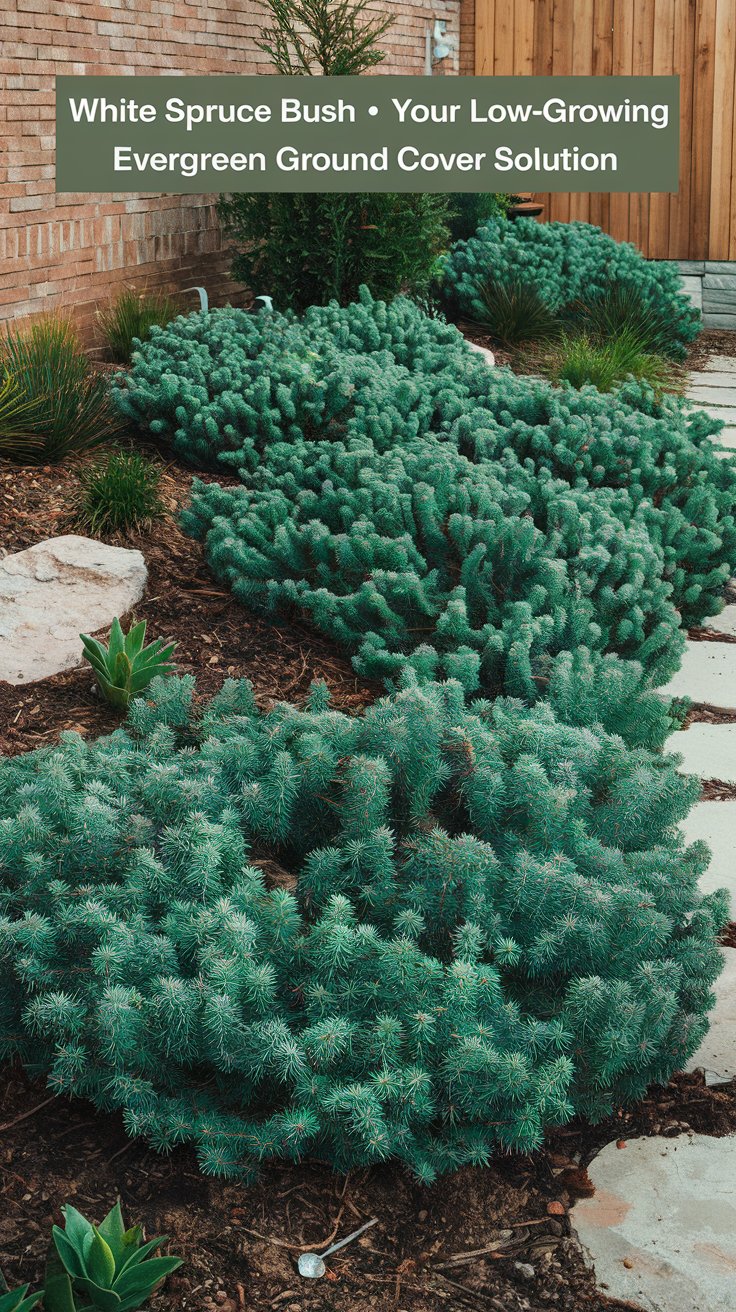
Characteristics
- Low-growing habit
- Dense, spreading form
- Blue-green to silver-blue needles
- Year-round coverage
- Mature height: 1-3 feet
- Spread: 4-6 feet
Popular Varieties for Ground Cover
- Picea glauca ‘Echiniformis’
Dense, globe shape
- Very slow growth
- Perfect for small spaces
- Picea glauca ‘Arneson’s Blue Variegated’
Blue-tinted needles
- Compact spreading habit
- Excellent winter interest
- Picea glauca ‘Sander’s Blue’
Intense blue coloration
- Low-spreading form
- Drought tolerant once established
Benefits of White Spruce Ground Cover
Practical Advantages
- Erosion Control
Strong root system
- Soil stabilization
- Slope protection
- Low Maintenance
Minimal pruning needed
- Drought tolerant
- Disease resistant
- Year-Round Appeal
Evergreen foliage
- Winter interest
- Consistent color
Environmental Benefits
- Wildlife habitat
- Soil temperature regulation
- Moisture retention
- Weed suppression
/hairy-balls-milkweed/
Growing Requirements
Light Requirements
- Full sun to partial shade
- Minimum 6 hours direct sunlight
- Protection from afternoon sun in hot climates
Soil Conditions
- Well-draining soil
- pH 5.0-7.0
- Tolerates various soil types
- Add organic matter for best results
Water Needs
- Establishment Period
Regular watering
- Keep soil consistently moist
- Monitor drainage
- Established Plants
Drought tolerant
- Water during extended dry periods
- Morning watering preferred
/japanese-maple-leaves-turning-yellow/
Planting Guide
Site Preparation
- Soil Testing
Check pH levels
- Assess drainage
- Evaluate sunlight exposure
- Ground Preparation
Remove existing vegetation
- Loosen soil
- Add amendments if needed
Planting Steps
- Spacing
3-4 feet between plants
- Consider mature spread
- Allow for air circulation
- Planting Depth
Same as nursery container
- Don’t bury crown
- Create shallow basin for watering
Maintenance Tips
Seasonal Care
Spring
- Light fertilization
- Remove winter damage
- Check for pest issues
Summer
- Monitor water needs
- Mulch to retain moisture
- Watch for new growth
Fall
- Reduce watering
- Apply fresh mulch
- Clean up fallen debris
Winter
- Protect from winter burn
- Avoid salt exposure
- Monitor snow load
Pruning Guidelines
- Light shaping in spring
- Remove dead branches
- Maintain desired height
/how-to-grow-loofah-luffa-at-home/
Design Applications
Landscape Uses
- Slope Stabilization
Terraced plantings
- Erosion control
- Natural appearance
- Border Plantings
Foundation coverage
- Path edges
- Garden transitions
- Mass Plantings
Large area coverage
- Uniform appearance
- Low maintenance zones
Companion Plants
Compatible Options
- Other Evergreens
Juniper varieties
- Dwarf pine cultivars
- Low-growing spruce
- Perennials
Creeping phlox
- Sedum varieties
- Hardy geraniums
Problem Solving
Common Issues
- Pest Management
Spider mites
- Aphids
- Scale insects
- Disease Prevention
Needle cast
- Root rot
- Tip blight
Solutions
- Proper spacing
- Good air circulation
- Regular monitoring
- Organic treatments
Innovative Applications for 2024
Smart Landscaping
- Water Conservation
Drip irrigation
- Moisture sensors
- Rain gardens
- Sustainable Practices
Native plant integration
- Biodiversity promotion
- Low-impact maintenance
Modern Design Trends
- Mixed Texture Gardens
Combining ground covers
- Contrasting colors
- Seasonal interest
- Environmental Focus
Wildlife corridors
- Pollinator support
- Carbon footprint reduction
/mandevilla-red-bush-tea/
White Spruce ground cover varieties offer an excellent solution for sustainable, low-maintenance landscaping. Their versatility, durability, and year-round appeal make them an ideal choice for modern gardens. With proper planning and care, these evergreen spreaders can provide decades of beautiful, functional ground coverage.
FAQs
- How fast does White Spruce ground cover grow?
Slow to moderate growth rate, 3-6 inches per year
- Is it deer resistant?
Yes, generally deer resistant due to aromatic foliage
- Can it be walked on?
Limited foot traffic tolerated; not recommended for high-traffic areas
- How long does it take to establish?
2-3 growing seasons for full establishment
- Does it need winter protection?
Minimal protection needed in most zones; protect from winter burn in exposed areas
For more gardening tips and plant care guides, visit usagardenhub.com