
Discover practical windbreak ideas using garden debris to shield your plants from strong winds. I share tips from my 10 years of gardening experience to help you create effective barriers in your backyard or patio.

Hi, I’m Ashley Scott. I have gardened for 10 years in various parts of the USA. My website, USA Garden Hub, offers advice on topics like this. Today, I focus on windbreak ideas using garden debris. You can turn yard waste into useful barriers that protect your plants.
Strong winds damage gardens. They dry out soil and break stems. A windbreak slows wind speed. It creates a calm area for your plants. You use garden debris like branches, leaves, and twigs. This saves money and recycles waste.
In my Texas garden, winds often hit hard in spring. I built a simple barrier from fallen branches after a storm. It shielded my tomato plants. They produced more fruit that year. You can do the same.
What Is a Windbreak and Why Do You Need One?
A windbreak is a barrier that blocks wind. It can be trees, fences, or piles of debris. You need one if winds harm your garden. Winds above 15 mph stress plants. They increase water loss by 20-30 percent.
Garden debris makes good windbreaks. It is free and easy to find. Branches and leaves create porous barriers. They let some air through but reduce speed. Solid walls can cause turbulence. Porous ones work better.
Research shows windbreaks cut wind speed by 50 percent over a distance 10 times their height. Use debris to build temporary or permanent structures.
Benefits of Using Garden Debris for Windbreaks
You save money. No need to buy materials. Debris breaks down over time. It adds nutrients to soil. Wildlife uses it for habitat.
In agroforestry, windbreaks protect crops. They increase yields by 10-20 percent. You apply this in your backyard. Debris windbreaks also reduce erosion.
I once used leaf piles along my fence. They stopped soil from blowing away during dry spells. Your garden stays healthier.
How to Choose the Right Windbreak Direction
Windbreak direction matters. Orient it perpendicular to the main wind. In the USA, winds often come from the west or north.
Check your local wind patterns. Use a weather app or observe flags. Place the windbreak on the windward side.
A diagram helps. It shows the barrier at 90 degrees to wind flow. The protected zone extends 5-10 times the height downwind.

Windbreaks – Douglas Conserves
In my experience, wrong direction wastes effort. I moved a branch pile once. It made a big difference.
For more on garden planning, visit my page on garden planning tips.
Windbreak Ideas for Backyard Using Garden Debris
Your backyard needs sturdy windbreaks. Use large branches for dead hedges.
Build a dead hedge. Stake posts 2-3 feet apart. Pile branches between them. Add leaves for density. It lasts 2-3 years.
This idea uses storm debris. After a hurricane, I made one 4 feet high. It protected my veggies.
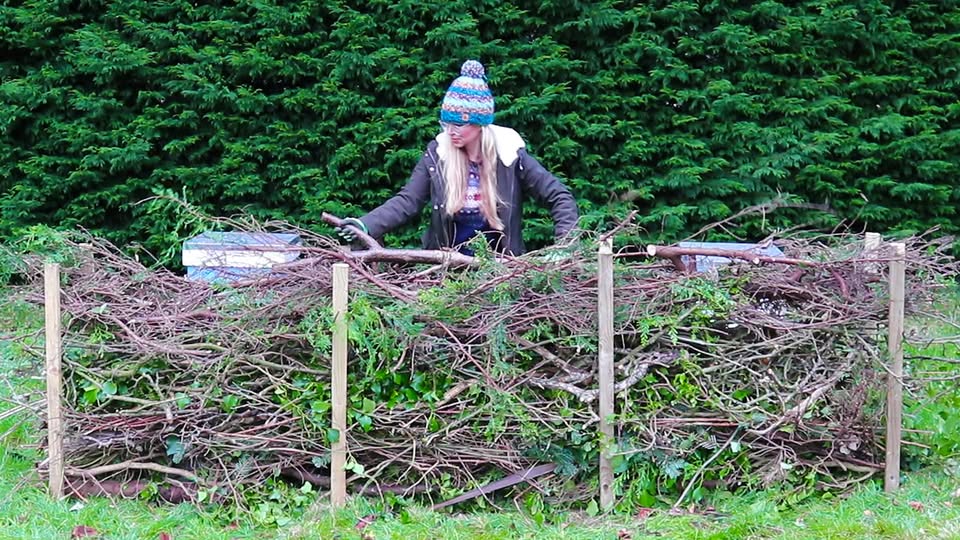
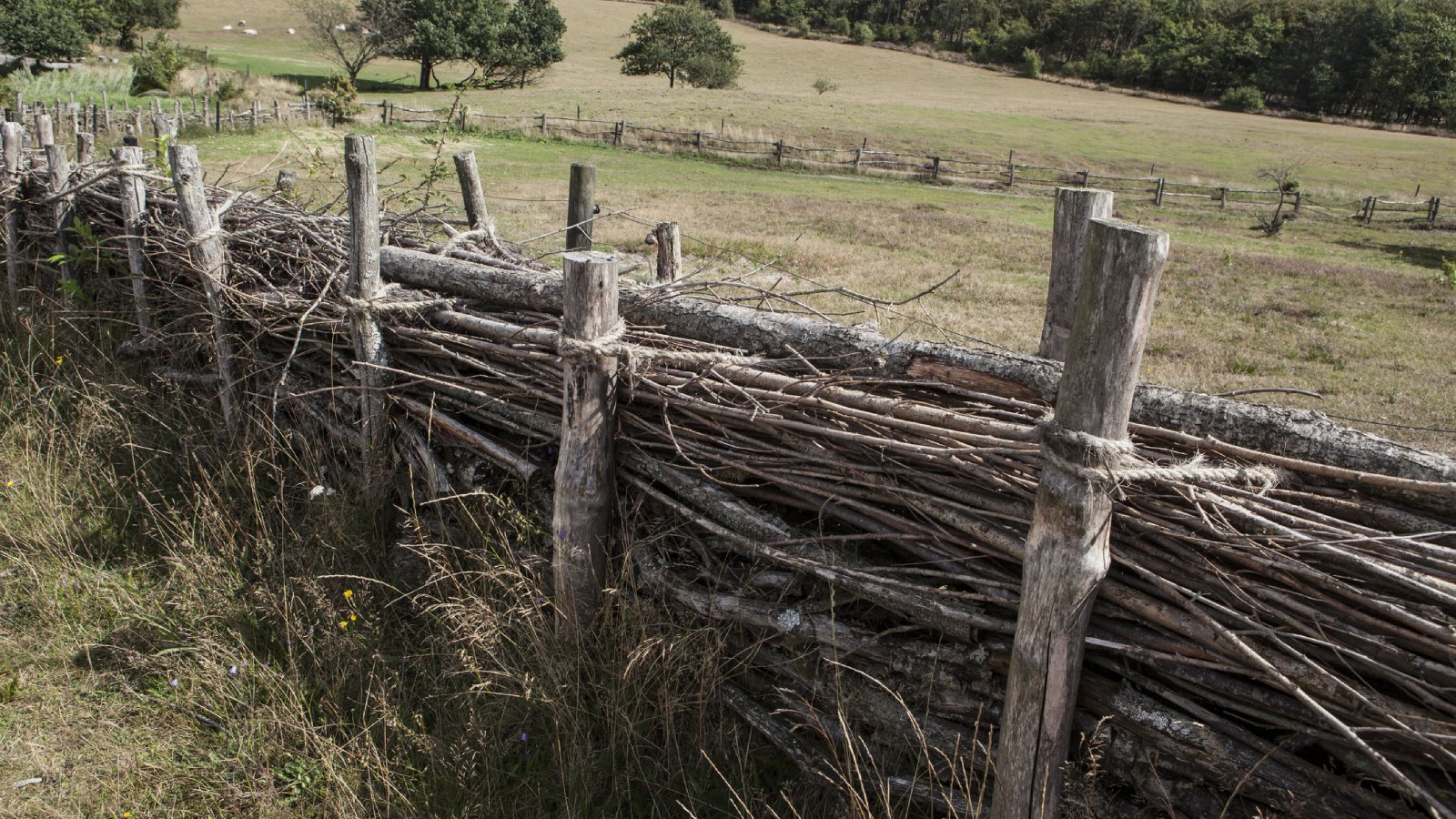
Another idea: Weave twigs into panels. Tie them to a frame. Place along garden edges.
For long-term, mix with plants. Plant windbreak trees like oak or maple. They grow around debris.
In the USA, try white oak or sugar maple. They handle winds well.
.jpg)
.jpg?width=1422&height=948&name=lawn%20walkway%20trees%20groundcover%20planting%20beds%20perennials%20(1).jpg)
Learn about natural methods on my natural gardening page.
Windbreak Ideas for Patio
Patios face open winds. Use small debris piles or screens.
Make a low wall from stacked branches. Secure with wire. Add potted plants on top.
I built one for my patio. It blocked evening breezes. We enjoyed dinners outside more.
Use bamboo from your garden. Cut and tie into panels. It’s lightweight.
For privacy, add leaves or vines. This creates a cozy spot.
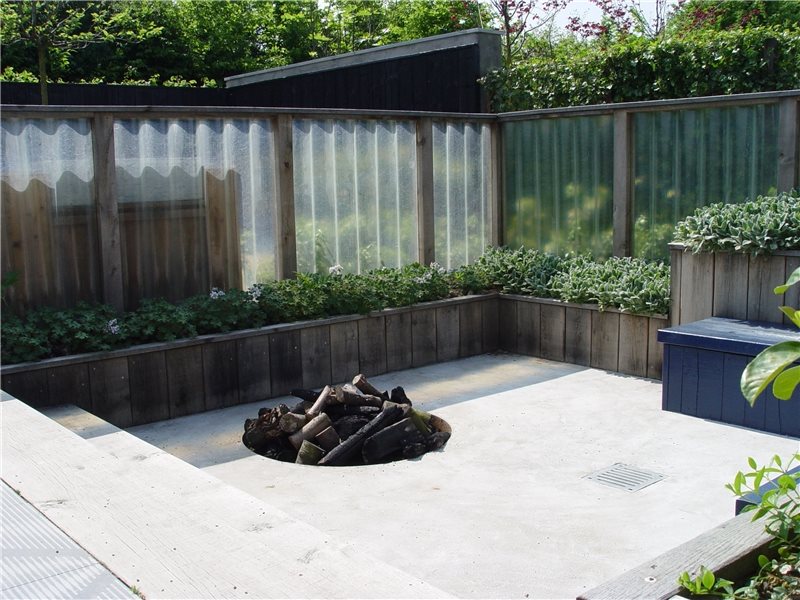
Check my patio designs guide for more ideas.
Windbreaks in Agroforestry
Agroforestry mixes trees with crops. Windbreaks fit here. They protect soil and boost growth.
Use debris to start. Plant trees like pine or spruce around it.
In the USA, evergreens work year-round. Deciduous trees add seasonal color.
I tried this on a small scale. Debris around young trees helped them establish.
For details, see University of Nebraska’s windbreak guide.
Also, UMN Extension on windbreaks.
Iowa State Extension on planting.
Explore my agroforestry basics.
More Garden Wind Break Ideas
Try mulch mounds. Pile leaves and grass clippings. Shape into ridges.
Use old pallets filled with debris. Stand them up. They make quick walls.
In winter, snow adds to debris piles. It insulates roots.
I used pallets after cleaning my yard. They lasted a season.
For pest control with windbreaks, see natural pest control.
Maintenance Tips
Check your windbreak weekly. Add more debris if needed. Remove rotten parts.
Water base plants. Prune trees yearly.
In my garden, regular checks keep barriers strong.
Social Media Summaries
- Build a dead hedge with branches for quick wind protection.
- Orient windbreaks perpendicular to winds for best results.
- Use USA native trees like oak for long-term barriers.
- Recycle garden debris to save money and help soil.
- Try patio screens from twigs for cozy outdoor spaces.